Den Van Loc sits on the coast of Nghe An province, about 16 km east of Vinh city, in the fishing ward of Nghi Thuy near Cua Lo beach. It's one of the oldest temples in the region — a place where local fishermen have come to pray for safe voyages for centuries. If you're passing through Nghe An or spending time at Cua Lo, this is worth a deliberate stop rather than a rushed photo op.
What it is and why it matters
Den Van Loc is a communal temple ("dinh" or "den") dedicated to several deities, including local guardian spirits and figures tied to the maritime culture of northern-central Vietnam (베트남 / 越南 / ベトナム). The temple dates back several hundred years — exact origins are debated, but locals point to the Le dynasty period. It was rebuilt and restored multiple times, most recently in the early 2000s.
The architecture follows a traditional Vietnamese temple layout: a main hall with heavy wooden columns, carved dragons along the ridgepole, and a courtyard facing the sea. What sets it apart from temples you'll find in Hanoi or Hue is the setting. It's a working fishing community's temple, not a tourist attraction with ticket counters. On a weekday morning, you might be the only visitor.
Why travelers go
Most foreign visitors end up here by accident — they're at Cua Lo beach and someone mentions the temple. But there are real reasons to make the trip:
- The festival atmosphere. During the annual temple festival (usually in the second and third lunar months), the area fills with processions, traditional music, and boat races along the coast. It's one of the more authentic local festivals in Nghe An, without the commercial overlay you get at bigger events.
- Coastal temple architecture. The combination of sea air, old wood, and carved stone gives the place a weathered character that newer restorations elsewhere can't replicate.
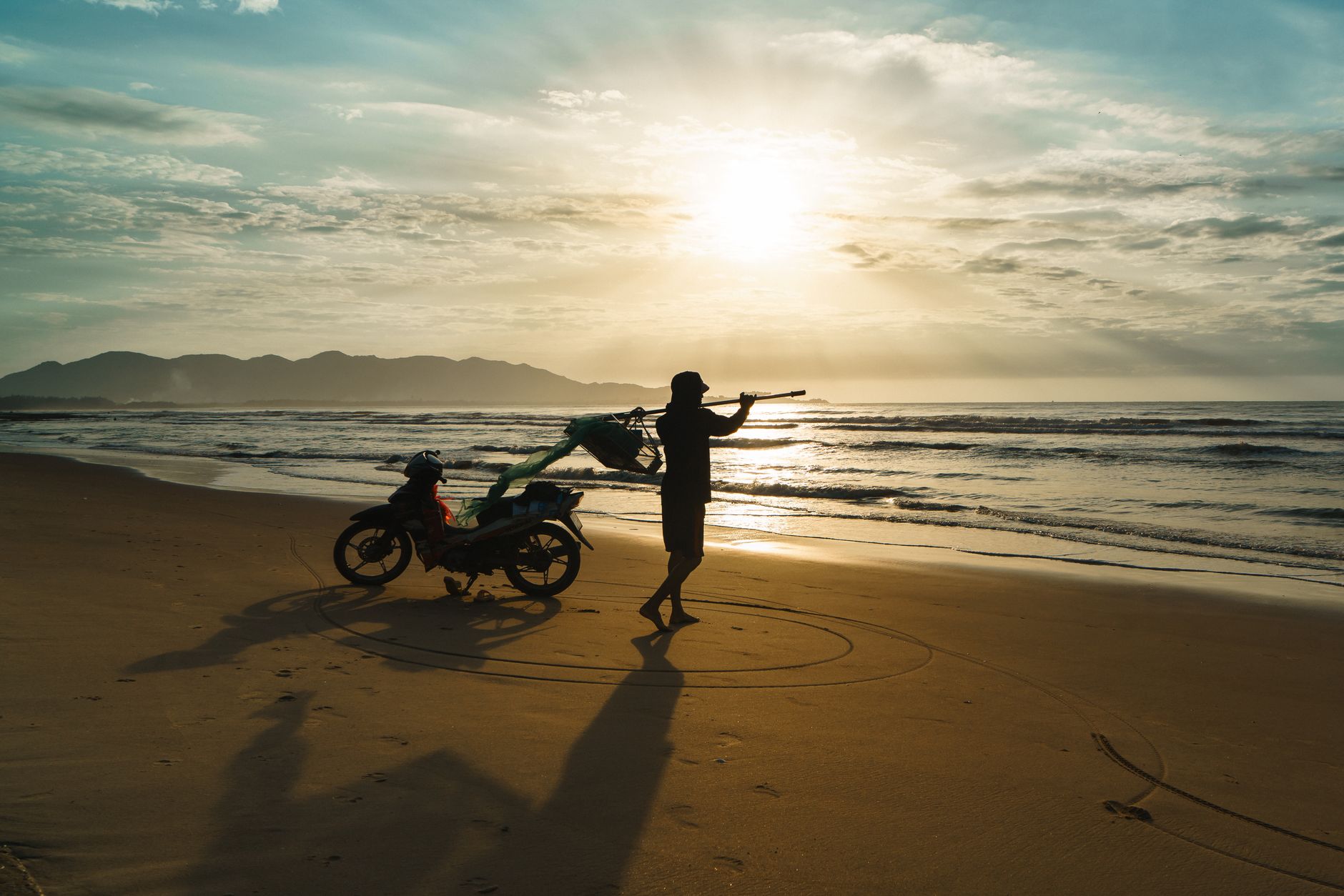
- A window into fishing culture. Nghi Thuy ward is still an active fishing community. Walking from the temple to the harbor takes five minutes, and you'll see boats unloading catch in the early morning.
Best time to visit
March to May is ideal. The weather in Nghe An is warm but not yet at the brutal summer peak (June-August regularly hits 38-40°C with high humidity). March and April also overlap with the temple festival season, so you have a chance of catching ceremonies.
Avoid October through December if you can. Nghe An catches the tail end of the monsoon, and the coastal areas get grey and windswept. The temple stays open, but the experience is better in dry weather.
How to get there from Vinh
Vinh is the nearest major city, and most travelers use it as a base.
- By motorbike or taxi: Head east on National Route 46 toward Cua Lo. The ride is about 16 km and takes 25-30 minutes. A Grab car from central Vinh runs around 80,000-120,000 VND one way.
- By local bus: Buses from Vinh to Cua Lo depart from the Vinh bus station. The fare is roughly 15,000-20,000 VND. Ask the driver to drop you near Nghi Thuy ward — from there it's a short walk.
- From Hanoi (하노이 / 河内 / ハノイ): Vinh is about 290 km south. You can take a Thong Nhat (Reunification) train (roughly 5-6 hours, from 150,000 VND for a hard seat) or a limousine bus (around 200,000-250,000 VND, 5 hours). From Vinh, follow the directions above.

Photo by Quang Nguyen Vinh on Pexels
What to do
Walk the temple grounds slowly
Don't rush through in ten minutes. The carved details on the wooden beams reward close looking — mythical animals, ocean motifs, and inscriptions. The main hall is dim and cool inside. If the caretaker is around, they'll sometimes explain the altar arrangements.
Visit during the temple festival
If your timing lines up with the second or third lunar month, the festival includes boat processions on the water, incense ceremonies, and "cheo" folk singing performances. It's genuinely local — the kind of event where grandmothers outnumber tourists.
Walk to Nghi Thuy fishing harbor
From the temple, head toward the water. The small harbor is busiest between 5:00 and 7:00 AM, when boats return with the night's catch. You'll see women sorting fish into baskets on the dock. It's not scenic in a postcard way, but it's real.
Combine with Cua Lo beach
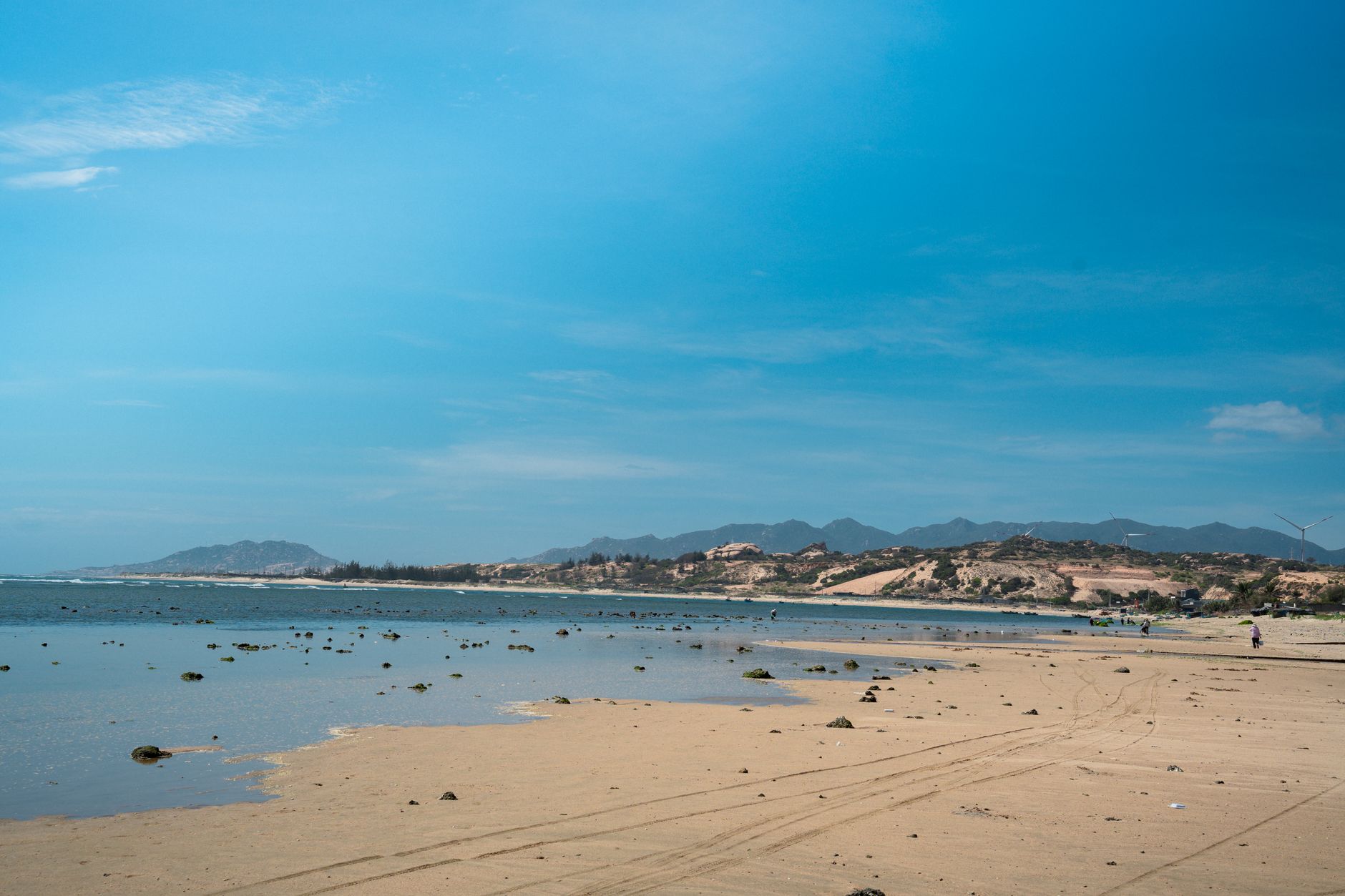
Cua Lo is a 5-minute motorbike ride north. It's a domestic beach resort town — not glamorous, but the seafood is fresh and cheap, and the beach stretches for several kilometers. Good for an afternoon after the temple visit.
Explore nearby Hon Ngu island
Hon Ngu (also called Nghi Son island by some locals) sits off the coast and is reachable by small boat from Cua Lo or Cua Hoi. The boat ride is short and costs around 50,000-80,000 VND. The island has a small temple of its own and good views back toward the mainland.
Where to eat nearby
Nghe An's signature dish is "luon" — freshwater eel, prepared a dozen ways. Look for "chao luon" (eel porridge) or "luon xao sa ot" (eel stir-fried with lemongrass and chili) at small restaurants along the road between Vinh and Cua Lo. A bowl of eel porridge runs 25,000-40,000 VND.
At Cua Lo beach, the seafood strip along the waterfront has dozens of restaurants. Grilled squid and steamed clams are the staples. Expect to pay 150,000-300,000 VND for a shared seafood spread for two, depending on what you order. For a morning bowl, Vinh city has solid "pho" and "banh mi" options near the central market.
Where to stay
Most travelers base themselves in either Vinh or Cua Lo.
- Budget (Vinh): Guesthouses near Vinh train station start at 200,000-350,000 VND per night. Basic but clean.
- Mid-range (Cua Lo): Beachfront hotels along Cua Lo run 400,000-800,000 VND. Rates spike on summer weekends when domestic tourists arrive.
- Higher-end (Cua Lo): A few resort-style hotels exist at the 1,000,000-1,500,000 VND range. Nothing luxury-tier, but comfortable with sea views.

Photo by Loifotos on Pexels
Practical tips locals would tell you
- Dress modestly at the temple. Cover your shoulders and knees. This is a functioning place of worship, not a ruin.
- Bring cash. There are no ATMs at the temple itself. The nearest ones are in Cua Lo town center or Vinh.
- Shoes off before entering the main hall. You'll see a rack or mat near the entrance.
- Go early. The temple and surrounding area are best in morning light, and you'll avoid the midday heat that makes Nghe An uncomfortable from May onward.
- Learn one phrase: "Xin phep" (excuse me / may I) goes a long way when entering temple spaces or photographing altars.
Common mistakes to avoid
- Skipping the harbor. The temple alone takes 30-45 minutes. Pair it with the fishing harbor and Cua Lo to make a proper half-day.
- Visiting in peak summer without sunscreen. Nghe An's coast is exposed and the UV is serious in June-August.
- Expecting English signage. There's very little. Download Vietnamese language packs on Google Translate before you arrive.
- Assuming Grab works perfectly. Grab coverage in Cua Lo is thinner than in Vinh. Book your return ride before you lose signal or patience.
Practical notes
Den Van Loc doesn't charge an entrance fee. Budget a half-day if you combine it with Cua Lo beach and the fishing harbor. Nghe An province is often skipped by foreign travelers heading between Hanoi and Hue — but if you're on the Reunification train or riding a motorbike down the coast, this stretch of central Vietnam has a quiet, salt-air character that the bigger destinations don't.
Last updated · May 29, 2026 · independently researched, never sponsored.