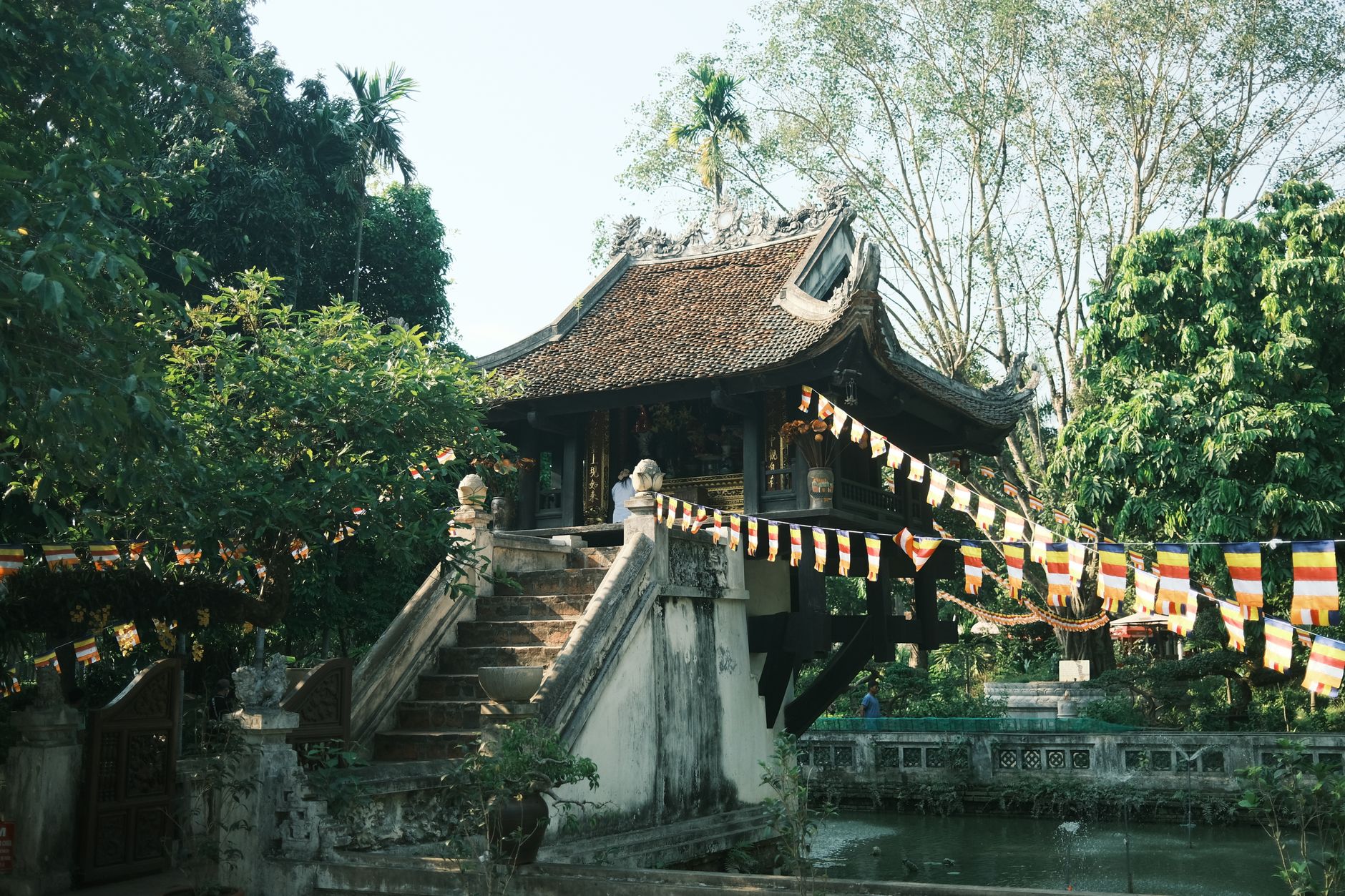
Hanoi Museum sits on the southwestern edge of the city, about 8 km from the Old Quarter, in a building shaped like an inverted pyramid that looks like it was dropped from a brutalist future. It opened in 2010 to mark Hanoi's 1,000th anniversary, and while it doesn't get the foot traffic of the Ho Chi Minh (호치민 / 胡志明 / ホーチミン) Mausoleum or the Temple of Literature, it's one of the more thoughtfully curated museums in northern Vietnam.
What it is
Bao Tang Ha Noi — Hanoi (하노이 / 河内 / ハノイ) Museum — covers the history, culture, and daily life of the capital from prehistoric times through the French colonial period and into the modern era. The permanent collection spans four floors inside that distinctive concrete pyramid on Pham Hung Street, in the Nam Tu Liem district. The building itself was designed by a German firm (gmp Architekten) and cost around $2,300 billion VND to build, which partly explains why the architecture feels more Berlin than Hanoi.
The ground floor handles temporary exhibitions. Floors two through four move chronologically: Bronze Age artifacts from the Dong Son culture, ceramics from the Ly and Tran dynasties, French-era Hanoi streetscapes, and a surprisingly good section on traditional crafts — including displays on Bat Trang pottery and Dong Ho painting techniques.
Why travelers go
Three reasons. First, it's air-conditioned and uncrowded — a genuine relief if you've been grinding through Hanoi's Old Quarter in July humidity. Second, the collection gives you context. If you're visiting the Imperial Citadel Thang Long or Hoa Lu later in your trip, the dynastic history floors here make those sites land harder. Third, the building is genuinely interesting to photograph, especially the atrium and the spiral ramp connecting floors.
It's not a world-class museum by London or Tokyo standards. Some labeling is Vietnamese-only, and a few galleries feel underfilled. But for a free-to-low-cost stop that takes 90 minutes, it earns its place on a Hanoi itinerary.
Best time to visit
The museum is comfortable year-round because it's indoors, but timing your visit matters for different reasons.
- October to December is ideal weather in Hanoi — cool, dry, good light for the exterior architecture photos.
- June to August is when you'll appreciate the AC most. Hanoi hits 35-38°C with crushing humidity, and the museum makes a smart midday escape.
- Weekday mornings are best for avoiding school groups. Vietnamese students visit on field trips, especially Tuesday and Thursday mornings during the school year (September–May). Aim for early afternoon if you want quieter galleries.
The museum is closed on Mondays. Hours are 8:00–17:00, last entry at 16:30.
How to get there
From the Old Quarter (Hoan Kiem area), you have a few options:
- Grab car: 25–35 minutes depending on traffic, 60,000–90,000 VND. The most painless option.
- Grab bike: 20–25 minutes, 30,000–45,000 VND. Faster but you'll arrive sweaty in summer.
- Bus 22 from Long Bien bus station runs along a route that stops near the museum on Pham Hung. About 45–60 minutes, 8,000 VND. Doable but slow.
- Taxi: Slightly more than Grab. Stick with Mai Linh or Thanh Nga to avoid meter games.
The museum sits next to the National Convention Center and across from Keangnam Landmark Tower, so it's easy to spot. There's a parking area out front for motorbikes (5,000 VND) and cars (20,000 VND).

Photo by Mochammad Algi on Pexels
What to do inside
Walk the spiral chronologically
Start on the second floor and work up. The Dong Son bronze drums are genuinely impressive — some date to 500 BC and the craftsmanship holds up. The Ly dynasty ceramics on the third floor connect directly to what you'll see if you visit the ceramics village of Bat Trang, about 13 km southeast of central Hanoi.
Spend time in the ethnography section
Floor four covers ethnic minorities and traditional arts. There's a solid display on "ao dai" evolution — how the garment changed from the Nguyen dynasty through French influence to its modern form. If you're interested in Water Puppetry, the puppet collection here gives better context than you'll get at the Thang Long theater show itself.
Check the temporary exhibition hall
The ground floor rotates exhibitions every few months — photography, contemporary Vietnamese art, sometimes themed historical shows around Tet / 越南春节 / テト) or other festivals. Quality varies, but it's included in admission.
Photograph the architecture
The inverted pyramid creates dramatic interior angles. The central atrium, viewed from the upper floors looking down, is the best shot. Outside, the reflecting pool at the front entrance works well in late afternoon light.
Read the craft village maps
The museum has detailed displays mapping Hanoi's traditional craft villages. If you're planning day trips to Bat Trang (ceramics) or Van Phuc (silk), the context here helps you know what to look for.
Where to eat nearby
The museum's neighborhood (Nam Tu Liem) is newer development — think office towers and apartment blocks — so the street food scene is thinner than the Old Quarter. But you have options.
Bun cha at the small stalls along Duong Trung Van, about 1.5 km south of the museum, runs 35,000–45,000 VND per serving. Nothing famous, just solid neighborhood "bun cha."
For something more substantial, the Keangnam complex across the street has a food court with decent "pho" and "com tam" options in the 50,000–80,000 VND range. Not destination dining, but functional.
If you're heading back toward the Old Quarter afterward, save your appetite. The "bun thang" at Bun Thang Ba Duc on Cau Go Street is worth waiting for — a delicate chicken broth with shredded egg and pork that's one of Hanoi's underrated bowls.
Where to stay
Most travelers stay in the Old Quarter or around Hoan Kiem Lake and visit the museum as a half-day trip. That's the right call — the Nam Tu Liem area is business-hotel territory.
- Budget: Old Quarter hostels run 150,000–300,000 VND/night for dorms.
- Mid-range: Hotels around Hoan Kiem go for 600,000–1,200,000 VND/night.
- Upper: The Keangnam area has business hotels (Crowne Plaza, etc.) at 1,500,000–3,000,000 VND/night if you want to stay close.
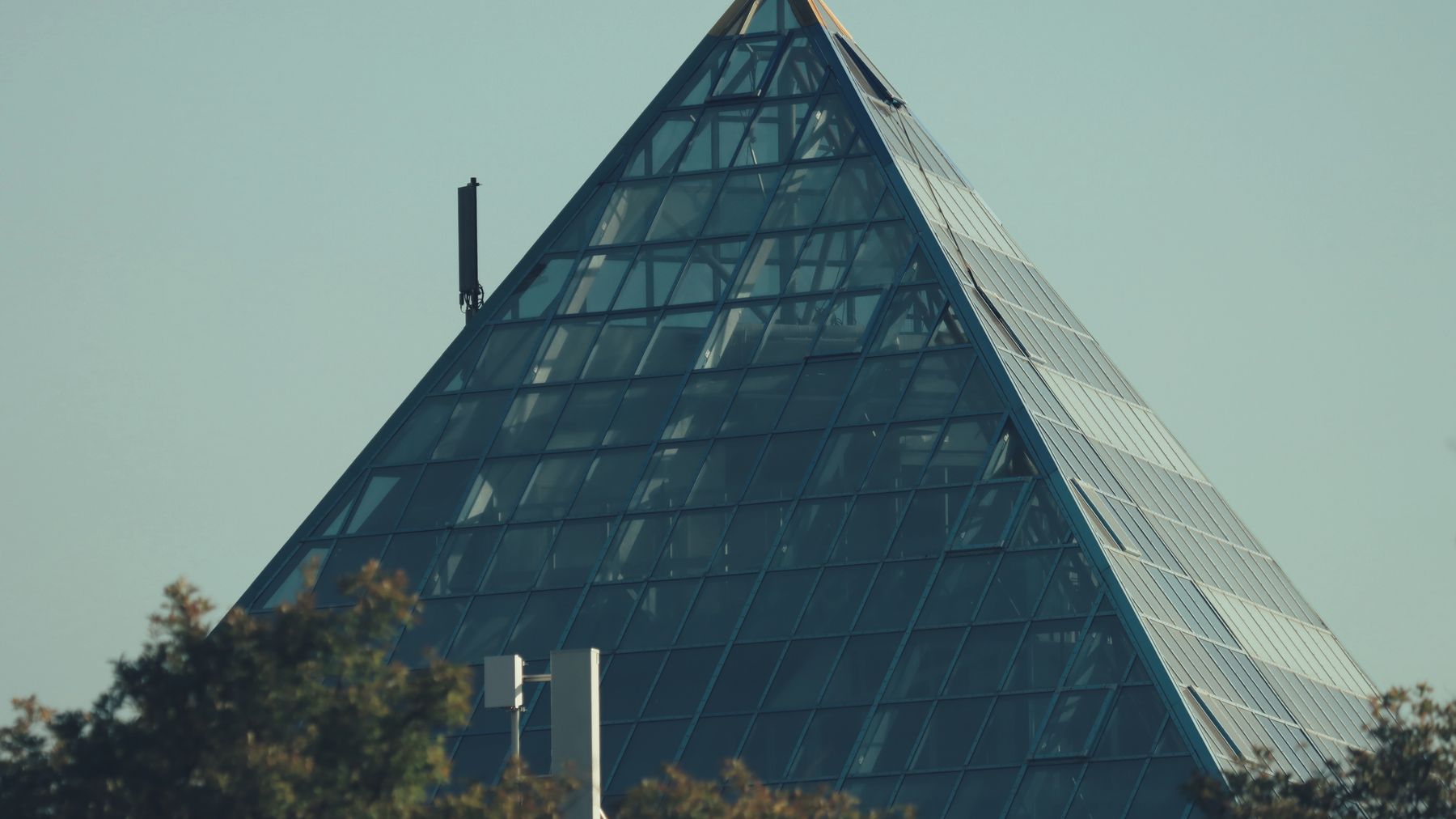
Photo by Efrem Efre on Pexels
Practical tips
- Admission is free for the permanent collection. Temporary exhibitions sometimes charge 20,000–40,000 VND.
- Bring your passport — occasionally requested at the entrance, though enforcement is inconsistent.
- English signage exists but is patchy on upper floors. Download a translation app if you want to read everything.
- Combine it with the nearby Museum of Ethnology (Bao Tang Dan Toc Hoc), about 4 km northeast, for a full museum day. The Ethnology Museum is the better of the two, honestly, but they complement each other well.
- Allow 60–90 minutes inside. You can do it faster, but the craft village and ethnography sections deserve slow browsing.
Common mistakes
- Visiting on Monday: It's closed. This catches people every week.
- Coming without a plan to get back: Grab works fine, but the area doesn't have the taxi flow of central Hanoi. Have the app ready.
- Skipping upper floors: Most visitors spend too long on the ground floor temporary exhibit and rush the permanent collection, which is the actual draw.
- Expecting Old Quarter vibes nearby: This part of Hanoi is modern and spread out. Don't plan a walking food tour around the museum — eat before or after, closer to the center.
Practical notes
Hanoi Museum works best as a morning or early-afternoon stop combined with other southwest-Hanoi sites, followed by eating your way back through the Old Quarter. It won't be the highlight of your Hanoi trip, but it'll make everything else you see in the city make more sense — and on a 38-degree day, that air conditioning is worth the Grab fare alone.
Last updated · May 29, 2026 · independently researched, never sponsored.