What Muong Thanh Valley actually is
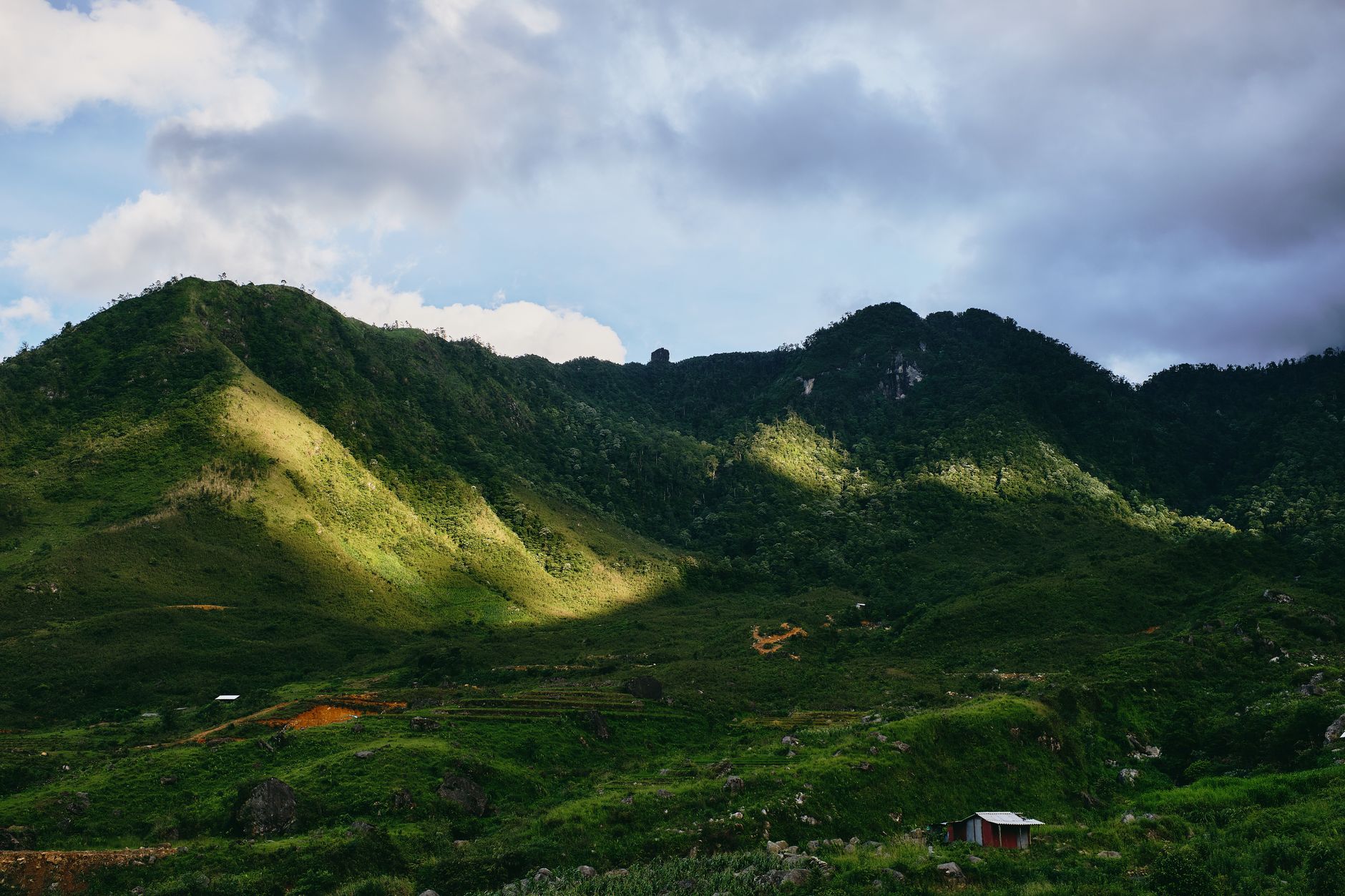
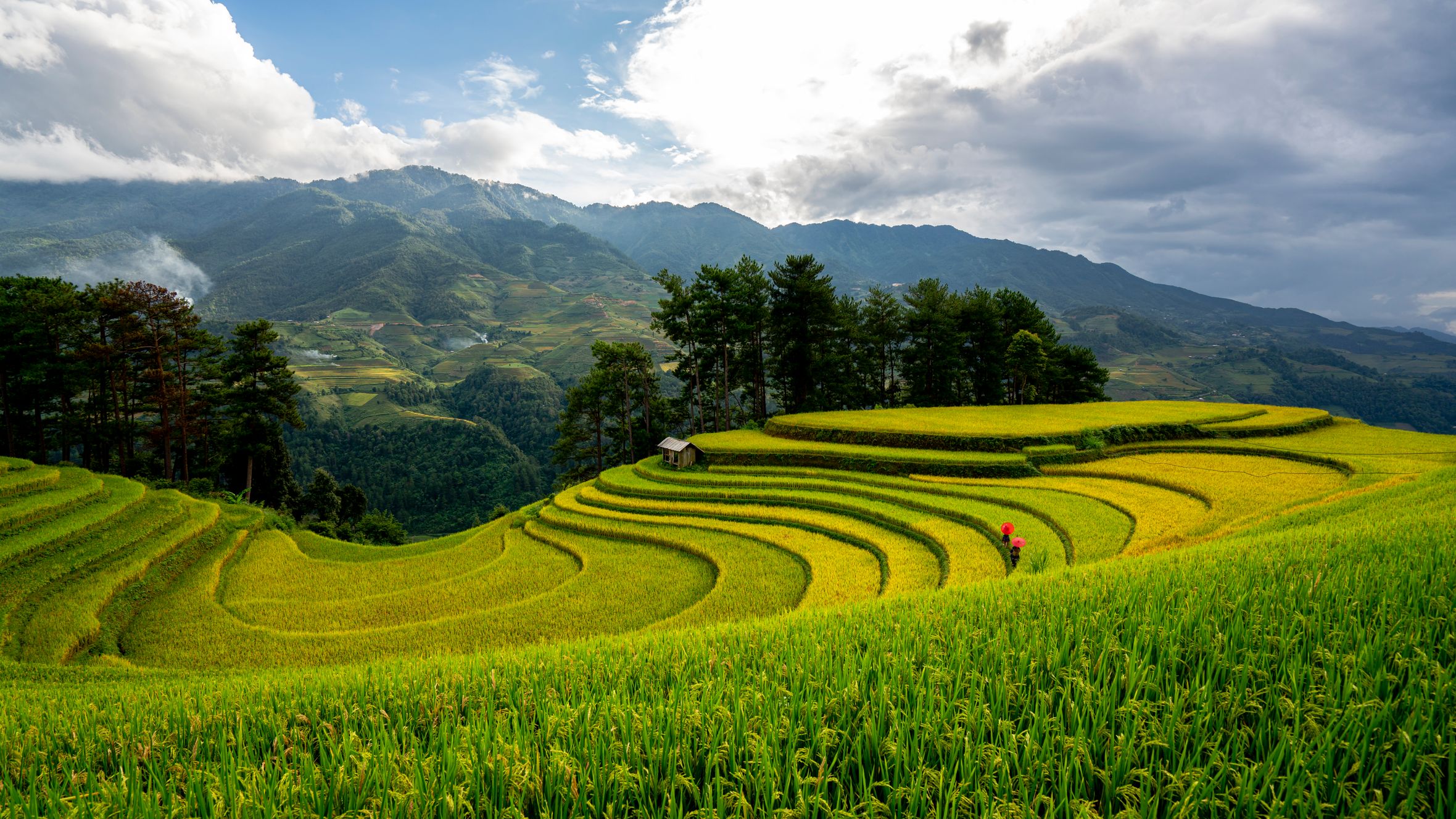
Muong Thanh is the largest flat valley in northwestern Vietnam (베트남 / 越南 / ベトナム) — roughly 20 km long and 6 km wide, sitting at about 470 m elevation in Dien Bien province. The Nam Rom River cuts through the middle, feeding an enormous patchwork of rice paddies that shifts color with the seasons: bright green shoots in June, gold before harvest in October, and bare brown stubble through winter. The Thai ethnic group has farmed this valley for centuries, and their stilt-house villages still dot the edges of the plain.
For most Vietnamese, the name Dien Bien triggers thoughts of the 1954 battle — and the valley floor is where much of that history played out. The old French command bunker, the A1 Hill memorial, and the Dien Bien Phu Victory Museum all sit at the valley's eastern edge in Dien Bien Phu city. But the valley itself is the draw for travelers who come this far northwest: a landscape that feels genuinely remote, unhurried, and about as far from the tourist circuits of Hanoi or Sapa as you can get while still being on a paved road.
Why travelers go
Muong Thanh Valley doesn't have the dramatic karst towers of Ninh Binh (닌빈 / 宁平 / ニンビン) or the terraced ridgelines of Ha Giang. What it has is scale — a wide-open plain surrounded by forested mountains, with very few other visitors. If you've been grinding through Vietnam's popular northwest loop and want a place where you're not sharing the view with twenty other motorbikes, this is it.
The Thai and Hmong villages around the valley edges offer a more low-key cultural experience than what you'll find in Sapa. Nobody is hawking bracelets at you. Homestays are simple and genuine. The food is regional and specific — not the same "pho" and "banh mi" you've been eating everywhere else.
Best time to visit
The two sweet spots are late May to mid-June (young rice, vivid green, start of the wet season but not yet heavy rain) and late September to mid-October (mature rice turning gold before harvest). October is the better bet if you want the classic golden-field photographs without much rain.
Avoid November through February — the paddies are bare, temperatures drop to 10-12°C at night, and fog can smother the valley for days. March and April are dry but hazy from slash-and-burn agriculture on surrounding hillsides.
How to get there
Dien Bien Phu city sits at the valley's edge and is the gateway.
From Hanoi by bus
Sleeper buses run from My Dinh bus station in Hanoi to Dien Bien Phu, taking around 10-11 hours overnight. Expect to pay 350,000-450,000 VND one way. Hung Thanh and Hai Van are the main operators. The road (via Son La on the QL6/QL279) is winding but fully paved.
From Hanoi by flight
Vietnam Airlines operates daily flights from Noi Bai to Dien Bien Phu airport — the flight is about 55 minutes and fares run 800,000-1,500,000 VND if booked a few weeks ahead. The airport is literally on the valley floor, 2 km from the city center. This is by far the easiest option.
From Sapa or Lai Chau
If you're already in the northwest on a motorbike loop, Dien Bien is about 190 km from Sapa via Lai Chau (QL4D to QL12). Count on 5-6 hours by motorbike, less by car. The stretch from Lai Chau to Dien Bien is one of the better mountain roads in the region — wide, well-surfaced, with long valley views.

Photo by Thái Trường Giang on Pexels
What to do
Walk or cycle the paddy roads
Rent a bicycle from your hotel (50,000-80,000 VND/day) and ride the dirt tracks that crisscross the valley floor between Noong Het village and Him Lam. Early morning is best — mist lifts off the paddies, farmers are already out, and the light is soft. The flat terrain makes this an easy ride even if you're not fit.
Visit Him Lam and the A1 Hill memorial
The historical sites clustered near the city are worth a half-day. The Dien Bien Phu Victory Museum gives solid context on the 1954 battle, the reconstructed De Castries bunker is small but atmospheric, and the A1 Hill site has the original trench network. Entry fees are 20,000-40,000 VND per site.
Explore a Thai stilt-house village
Him Lam 2 and Noong Bua villages on the valley's western side have traditional Thai stilt houses — wooden, raised on stilts, with thatched or corrugated roofs. Some families accept visitors for a meal or an overnight stay. Don't just show up and start photographing; ask first, or better yet arrange through your hotel.
Drive to Pa Khoang Lake
About 20 km east of the city, Pa Khoang is a reservoir ringed by forested hills. It's a quiet spot for a half-day trip — there are a few floating restaurants serving grilled fish. The road there passes through Hmong hamlets and upland farmland that contrasts sharply with the valley floor.
Catch the morning market
Dien Bien Phu's central market is busiest between 6:00 and 8:00 AM. Thai and Hmong women come in from surrounding villages to sell vegetables, forest herbs, river fish, and handwoven textiles. It's functional, not touristy — which is exactly the point.
Where to eat
Two things to seek out:
"Xoi nep nuong" — grilled sticky rice wrapped in banana leaf, sold at market stalls and street corners for 10,000-15,000 VND. The northwest uses a glutinous rice variety that's denser and nuttier than lowland sticky rice.
Thai-style grilled stream fish — freshwater fish marinated with "mac khen" (a local pepper) and lemongrass, grilled over charcoal. A few restaurants on Tran Dang Ninh street near the market serve this well. A plate with rice runs 80,000-120,000 VND. Pair it with "lam" rice (sticky rice cooked inside a bamboo tube) if available.
For Vietnamese coffee, there are a handful of local cafes along Vo Nguyen Giap street — nothing fancy, but the views over the valley from the second-floor balconies are worth the 20,000 VND ca phe sua da.
Where to stay
Dien Bien Phu city has a decent range:
- Budget: Guesthouses along Muong Thanh street, 200,000-350,000 VND/night. Basic but clean. Hot water works most of the time.
- Mid-range: Muong Thanh Hotel (a local chain, not the national one) and Him Lam Hotel offer air-conditioned rooms with breakfast for 500,000-800,000 VND.
- Homestay: A few Thai stilt-house homestays in Noong Bua and Him Lam villages charge 150,000-250,000 VND per person including dinner and breakfast. Mattress on the floor, mosquito net, shared bathroom. The food alone is worth it.

Photo by Quang Nguyen Vinh on Pexels
Practical tips locals would tell you
- Bring cash. ATMs exist in the city center but card payment is nearly nonexistent outside of it. BIDV and Vietcombank ATMs are the most reliable.
- Rent a motorbike, not a car. The paddy-field tracks are too narrow for cars. Manual bikes rent for 120,000-150,000 VND/day from hotels.
- Learn two Thai phrases. "Khop jai" (thank you) and a smile go further than pointing at a phrasebook. The Thai communities here are welcoming but appreciate effort.
- Fuel up in the city. There are no gas stations on the valley floor itself — fill your tank before heading out to explore.
Common mistakes to avoid
- Treating it as a day trip from Sapa. It's a 6-hour ride each way. Give Dien Bien at least two nights.
- Coming only for the war history. The museums take half a day. If that's all you do, you'll miss the valley entirely.
- Skipping the early morning. The valley looks flat and unremarkable at midday. At 6:00 AM with mist and low light, it's a different place.
- Expecting Sapa-level tourist infrastructure. English menus are rare, guided tours barely exist, and that's part of why this place still feels real. Come prepared to figure things out yourself.
Practical notes
Muong Thanh Valley rewards patience more than planning. Two or three nights, a rented motorbike, and a willingness to eat whatever the homestay family puts in front of you — that's the formula. It's one of the few places left in northern Vietnam where the tourism economy hasn't reshaped daily life, and that window won't stay open forever.
Last updated · May 29, 2026 · independently researched, never sponsored.