Quang Tri straddles central Vietnam (베트남 / 越南 / ベトナム)'s wettest zone. The province—sandwiched between Quang Binh to the north and Thua Thien-Hue to the south—gets hammered by monsoons, tropical depressions, and the occasional typhoon. Timing matters here more than in drier regions.
The climate reality
Quang Tri has two seasons: wet and less wet. The "dry" season (May to September) pulls moisture from the northeast and brings high heat; the "wet" season (October to April) swings the wind around and dumps rain, especially September through December. The province sits directly in the typhoon belt, meaning autumn is not just rainy—it can get dangerous.
Annual rainfall runs 1,700–2,500 mm depending on where you are. The coastal lowlands and river deltas get soaked. Inland hills (toward the Truong Son range) catch even more.
Month-by-month breakdown
January–March: shoulder sweet spot
This is the most stable window. Temperatures hover around 20–25°C on average. Rain falls, but in gentler spells rather than all-day downpours. January and February are coolest; March begins warming up but stays manageable.
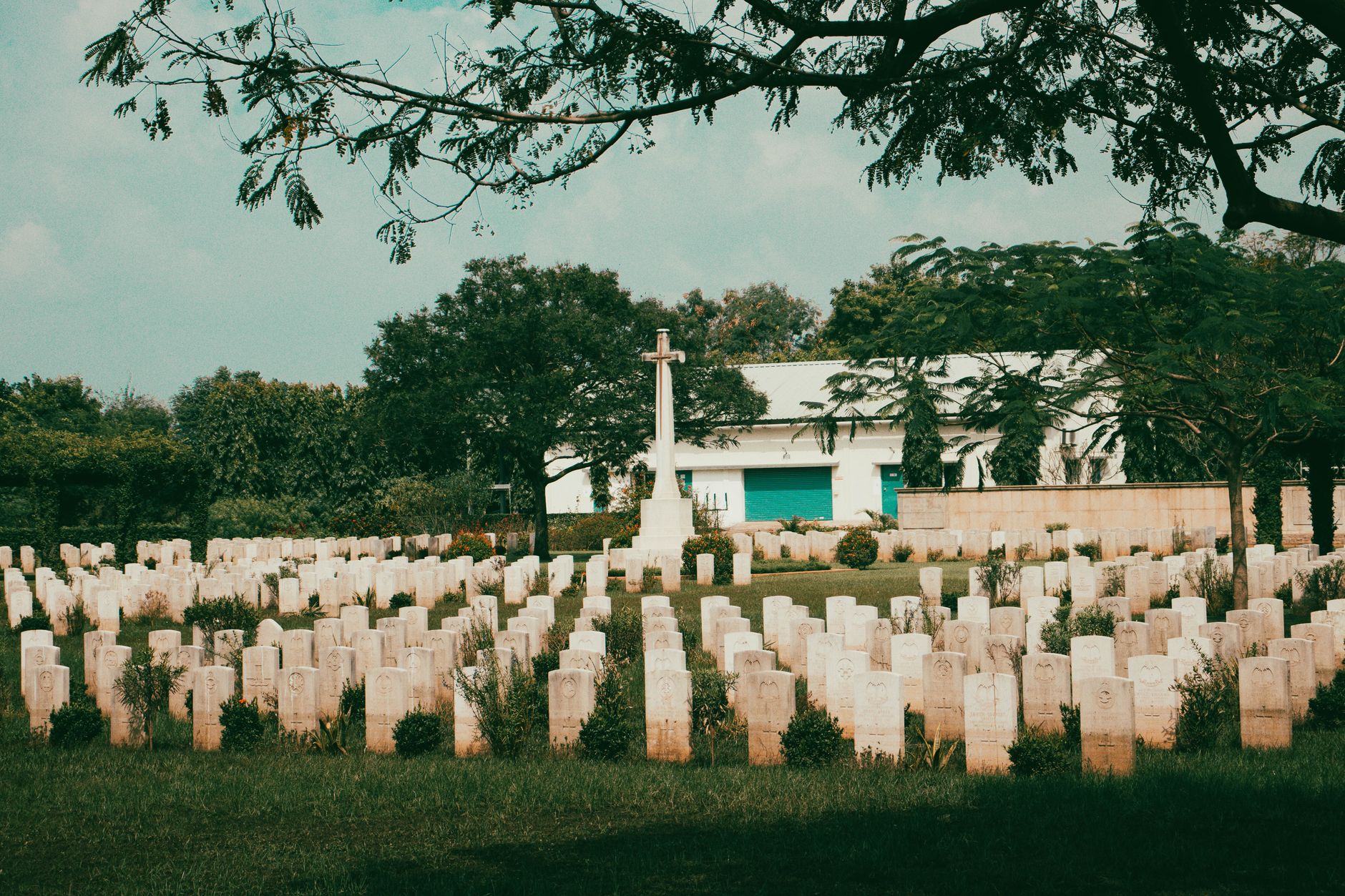
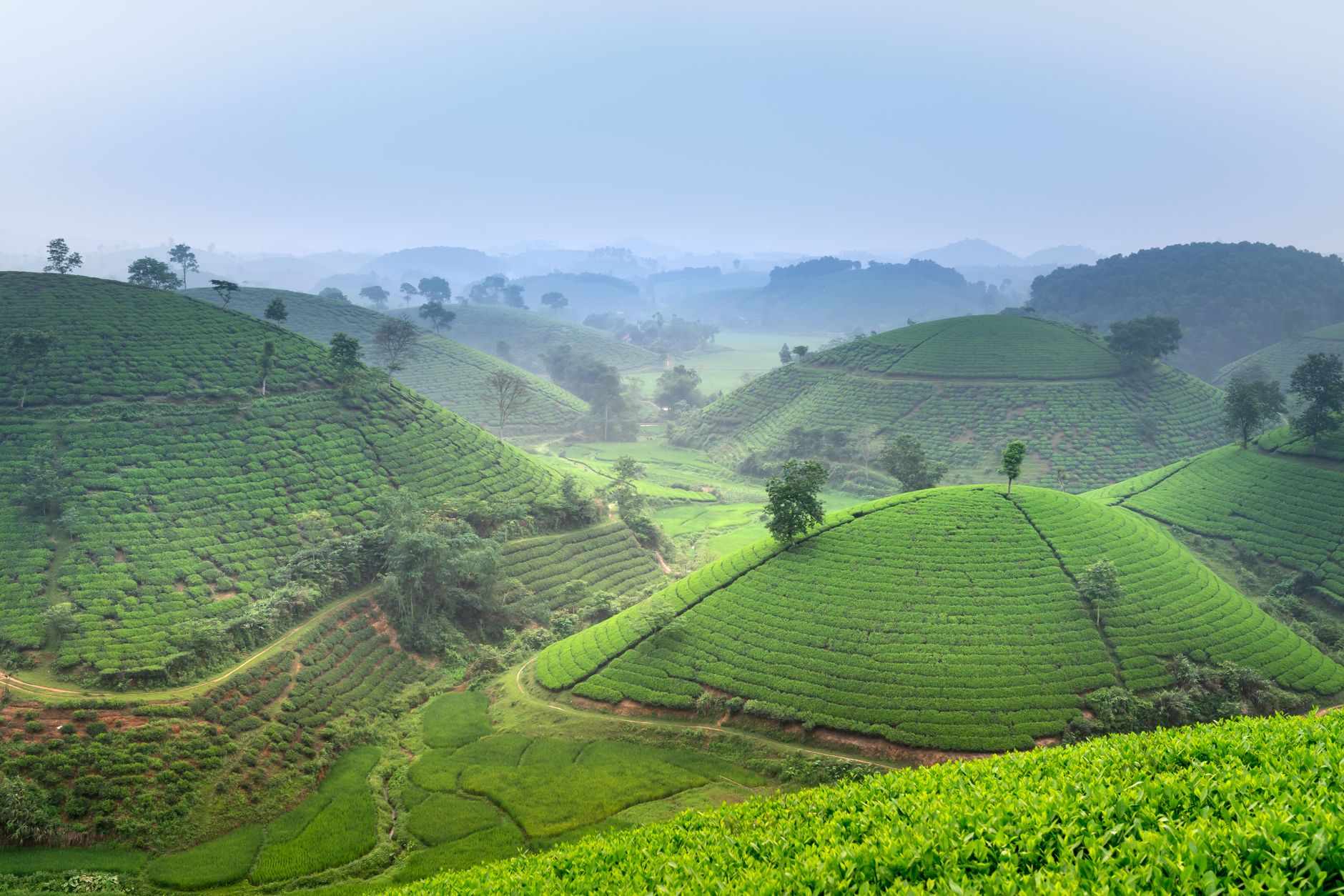
Humidity is moderate. Morning fog often settles over the landscape, which photographers and landscape travelers actually like. Visibility is decent for exploring war-history sites like the DMZ (demilitarized zone) and the ruined citadel at Quang Tri.
Crowds are light to moderate. Tet (뗏 (베트남 설날) / 越南春节 / テト) (Lunar New Year) falls in late January or early February; if you visit just after, you'll hit fewer tourists but the province will be more lively with local traffic and festivities.
April–May: warm and drying
By April, the transition is clear. Temperatures climb to 28–30°C. Rain becomes sparse and shorter. May typically has less than 100 mm of rainfall—marked relief from the wet months.
Humidity rises as heat builds, making it feel sticky even when it's not technically rainy. The dry spell is short: by late May, the southwest monsoon is ramping up.
This is a solid month to visit if you prefer warmth and can handle occasional afternoon showers. Tourist numbers pick up slightly as families plan around summer holidays.
June–August: hot, humid, spotty rain
Peak heat and humidity. Temperatures reach 30–33°C or higher. Rain is unpredictable—sometimes three-day downpours, sometimes nothing for a week. The southwest monsoon is active, pushing moisture north from the Gulf of Thailand.
This is low season. Few tourists visit Quang Tri in July–August. If you go, expect cheap hotels and restaurants that are sleepy, though never closed. The upside: you get genuine local Vietnam, not a touristed version. Street food vendors are happy to chat. Locals are less accustomed to foreign faces, which cuts both ways.
The heat is exhausting if you're walking around all day. Early mornings and late afternoons are best for sightseeing. Midday is a siesta period.
September–November: wet and risky
This is typhoon season. September is already tropical-depression season; October and November bring the strongest systems. Rainfall peaks—200–300 mm in a single month is common.
Temperatures are warm but not scorching, around 25–28°C. When the sun breaks through, it's pleasant. But you can expect days of grey skies, heavy rain, and waterlogged roads.
Roads in low-lying areas near the Thach Han River can flood. If you're timing a trip and a typhoon warning is posted, reschedule. Quang Tri is not a safe place to ride out a storm—services can shut down, roads wash out, and transport becomes unreliable.
Tourist numbers are very low. Most guidebooks recommend avoiding September–November, and locals will tell you the same.
December: the transition trap
December starts wet and begins drying toward year-end, but it's inconsistent. Early December still catches tail-end tropical systems. By late December, weather stabilizes, temperatures ease to 22–25°C, and rain decreases.
If you're planning a December trip, aim for the last two weeks. Christmas and New Year travel brings a modest uptick in tourists, though nothing like peak season elsewhere in Vietnam.

Photo by Quang Nguyen Vinh on Pexels
Festivals and events
Quang Tri doesn't have major tourist-oriented festivals like larger cities. The lunar calendar events are tied to local temples and family observances rather than public spectacles.
Tet (late January or early February): The province shuts down for a few days. Streets are quiet, most restaurants close, and locals are home with family. However, the weeks immediately after Tet see the landscape festooned with decoration, temple fairs in towns, and a festive atmosphere. This can actually be a good time to visit if you like seeing local culture without crowds.
Hung Kings' Festival (eighth day of the fourth lunar month, usually April or May): Temples across the province hold observances honoring the legendary Hung Kings. It's not a tourist event, but if you're interested in Vietnamese folk religion and temple culture, it's worth checking dates and visiting a local pagoda.
Peak vs. shoulder vs. off-season
Peak season: November to March (ironically, the wettest start and driest finish). Hotels book up around Tet and Christmas/New Year. Prices are 10–20% higher. Tourist numbers are highest, though Quang Tri never gets truly crowded.
Shoulder season: April–May and late September–early October. April–May is warm and mostly dry. Late September–early October is a gamble—the transition between wet and dry. Prices are moderate. Tourist traffic is light but steady.
Off-season: June–August and September–November (excluding late September). June–August is hot and humid; September–November is typhoon-prone. Hotels offer discounts, restaurants are quiet, and you're competing with almost no other tourists. The trade-off is weather uncertainty and fewer services.

Photo by Lucas Tran on Pexels
Practical expectations by season
Roads and transport: From January to May, roads are passable and buses run on schedule. From June onward, occasional flooding in low areas is possible (especially near river deltas). Typhoon season can block coastal routes temporarily.
Attractions access: The DMZ area, Quang Tri Citadel, and inland war-history sites are accessible year-round. Some rural trails and cave sites can be muddy or impassable during heavy rain (September–November).
Accommodation: Hotels are open all year. Budget options ($10–25/night) are always available. Mid-range hotels ($25–60/night) fill up during Tet and Christmas; book ahead if you're traveling then. Luxury options are sparse in Quang Tri; consider basing yourself in Hue (45 km south) if you want higher-end amenities.
Dining: Street food is year-round. Sit-down restaurants may have reduced hours in low season (July–August). Seafood is freshest and most abundant in cooler months (January–March).
Frequently Asked Questions
When is the safest time to visit Quang Tri and avoid typhoons?
January through March is the most stable window for visiting Quang Tri. Temperatures sit around 20-25°C, rain falls in gentle spells rather than prolonged downpours, and the province is outside active typhoon risk. September through November is the period to avoid: rainfall peaks at 200-300 mm per month, tropical depressions are frequent, roads near the Thach Han River can flood, and transport becomes unreliable.
What is the weather like in Quang Tri during the summer months?
June through August brings peak heat of 30-33°C with high humidity and unpredictable rain driven by the southwest monsoon. Downpours can last three days or clear for a week with no warning. Tourist numbers drop sharply in July and August, meaning cheaper hotels and quieter restaurants. Sightseeing is best done in early mornings or late afternoons, as midday heat makes extended walking exhausting.
How much rain does Quang Tri get compared to other parts of Vietnam?
Quang Tri sits in central Vietnam's wettest zone, receiving 1,700-2,500 mm of annual rainfall depending on location. Coastal lowlands and river deltas absorb the most, while inland areas toward the Truong Son range catch even more. The province straddles the typhoon belt, so the wet season from October to April brings not just sustained rain but occasional dangerous storm systems rather than predictable seasonal showers.
Bottom line
The best window is January to March: stable weather, cool temperatures, few tourists, and the atmosphere after Tet. If you want guaranteed dry days and warmth, April and May are reliable. Avoid September to November unless you're specifically interested in the landscape after heavy rain or you're willing to risk a typhoon. June to August is hot and empty—perfect if you value solitude and cheap prices over comfort.
Last updated · May 29, 2026 · independently researched, never sponsored.