What Rung Ru Cha actually is
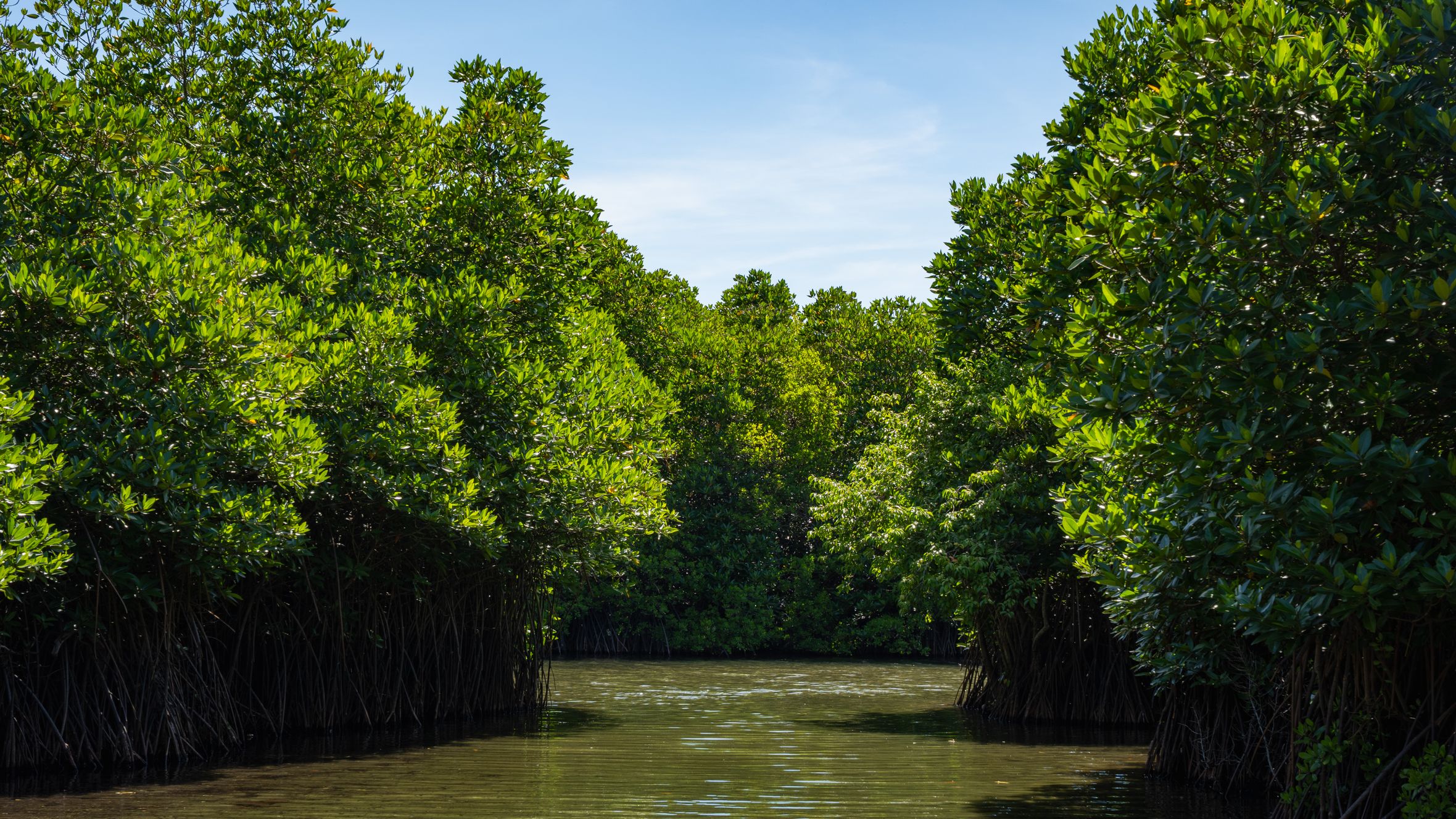
Rung Ru Cha is a roughly 5-hectare mangrove forest sitting at the edge of Tam Giang Lagoon, about 15 km northeast of Hue's city center. It belongs to Huong Phong commune in the Huong Tra district. The name comes from "ru cha" — the local term for the mangrove species (Excoecaria agallocha) that dominates the canopy here, a tree with milky-white sap that can irritate your skin if you're not careful.
The forest nearly disappeared. Decades of shrimp farming, firewood harvesting, and wartime defoliation stripped most of the original mangrove cover along the Tam Giang-Cau Hai lagoon system. What you see today is partly natural regrowth and partly the result of replanting efforts that started in the early 2000s. Locals and environmental groups worked to fence off the area and let the mangroves recover. It's small — you can walk through the whole thing in under an hour — but it's one of the only mangrove patches left in this part of Thua Thien Hue (후에 / 顺化 / フエ) province.
Why travelers go
Rung Ru Cha isn't a major attraction and it doesn't try to be. It draws photographers, nature-minded travelers, and people who want a break from Hue's pagodas and royal tombs. The forest has a quiet, almost eerie quality — tangled roots rising from brackish water, filtered green light, and very few other visitors on weekdays.
The real draw is the lagoon setting. Tam Giang is the largest coastal lagoon in Southeast Asia, and seeing it from the edge of a mangrove forest — with fishing boats, water hyacinth, and the occasional egret — gives you a different angle on Hue than most tourists get. If you've already visited the Tomb of Tu Duc and the Tomb of Khai Dinh and want something that feels less curated, this is a solid half-day option.
Best time to visit
The sweet spot is March through August. Skies are clearer, the light is better for photography, and the lagoon water tends to be calmer. The mangroves are lush and green year-round, but the rainy season (September through December) can make the access paths muddy and the lagoon choppy. October and November sometimes bring flooding to the Tam Giang area — check conditions before heading out.
Early morning is the best time of day. You get soft light through the canopy, cooler temperatures, and a better chance of spotting birds — herons, kingfishers, and cormorants are common.
How to get there from Hue
From central Hue, Rung Ru Cha is about 15 km northeast, reachable in 30–40 minutes by motorbike or car.
- Motorbike rental: The most practical option. Rentals in Hue run 120,000–150,000 VND/day for a semi-automatic. Head north on Quoc Hoc Hue bridge, follow Nguyen Sinh Cung street toward Thuan An beach, then turn left before you reach the coast — signage is minimal, so pin the location on Google Maps before you leave.
- Grab car: Around 150,000–200,000 VND one way. Ask the driver to wait (negotiate a round-trip fare of about 350,000–400,000 VND) since there are no ride-hail cars waiting at the site.
- Bicycle: Possible for fit riders — the road is flat — but the 30 km round trip in Hue's heat can be rough from May to August.
There's no entrance fee. A small parking area near the trailhead charges 5,000–10,000 VND for motorbikes.

Photo by Quang Nguyen Vinh on Pexels
What to do
Walk the boardwalk and forest paths
A raised wooden boardwalk runs partway through the mangroves, keeping you above the mud and root tangles. The rest is packed-earth paths. The full loop takes 30–45 minutes at a slow pace. Wear shoes you don't mind getting dirty — flip-flops are a bad idea on the muddy sections.
Photograph the root systems
The tangled aerial roots of the ru cha trees are genuinely photogenic, especially in the early morning when mist sometimes hangs over the water. Bring a wide-angle lens if you have one. The green canopy reflected in still lagoon water is the shot most people come for.
Explore the lagoon edge
Walk past the forest to the open lagoon shore. You'll see fish traps, small wooden boats, and — if you're there early — fishermen checking their nets. Some local operators offer short boat rides on the lagoon for 100,000–200,000 VND per person, though this isn't always available. Ask around at the parking area.
Birdwatching
Rung Ru Cha isn't a dedicated birding site, but the mangrove-lagoon edge habitat supports a decent variety of wading birds and waterbirds. Bring binoculars. Little egrets and pond herons are almost guaranteed; kingfishers are common but harder to spot.
Combine with Tam Giang Lagoon and Thuan An Beach
The forest alone doesn't fill a full day. Pair it with a ride along Tam Giang Lagoon's northern shore — small fishing villages, seafood shacks, and fish-trap photography opportunities — then loop back via Thuan An Beach for a swim. The whole circuit from Hue and back is about 50 km.
Where to eat nearby
There's nothing at Rung Ru Cha itself — no cafes, no vendors. The nearest food is in Huong Phong commune or along the road toward Thuan An.
- Lagoon seafood: Small family-run restaurants along the Tam Giang shore serve grilled shrimp, steamed clams, and "banh khoai" — Hue's answer to "banh xeo", a crispy rice-flour crepe stuffed with shrimp and pork. Expect 80,000–150,000 VND per person.
- Bun bo Hue: On your way back to the city, stop anywhere that looks busy. A bowl of "bun bo Hue" — the region's signature spicy beef noodle soup — runs 35,000–50,000 VND and is better at roadside shops than at tourist restaurants downtown.
Where to stay
Most travelers base themselves in Hue and visit Rung Ru Cha as a half-day trip. Accommodation options in Hue cover every budget:
- Budget: Hostels and guesthouses in the backpacker area south of the Perfume River, 150,000–300,000 VND/night.
- Mid-range: Boutique hotels along Le Loi or Pham Ngu Lao streets, 500,000–1,200,000 VND/night.
- Upscale: A handful of resorts along the Perfume River or near the Citadel, 2,000,000+ VND/night.
If you want to stay closer to the lagoon, a few homestays in Thuan An area offer basic rooms for 200,000–400,000 VND/night. Don't expect much beyond a clean bed and a fan.

Photo by Siarhei Nester on Pexels
Practical tips locals would tell you
- Don't touch the sap. The ru cha tree produces a white latex that causes skin irritation and can temporarily blind you if it gets in your eyes. Stay on the paths and don't break branches.
- Bring mosquito repellent. It's a mangrove swamp. Mosquitoes are aggressive, especially at dawn and dusk.
- Carry water. There's nowhere to buy drinks at the site.
- Go on a weekday. Weekends — especially Sunday mornings — bring local photography groups who set up elaborate shoots and crowd the boardwalk.
Common mistakes to avoid
- Expecting a big nature reserve. This is a small urban-fringe mangrove patch, not a national park. Calibrate expectations and you'll enjoy it more.
- Arriving midday. The heat between 11 AM and 3 PM makes the experience unpleasant and the light harsh. Go early.
- Wearing sandals. Paths flood at high tide and after rain. Closed shoes save you from mud, sharp roots, and crabs.
- Not combining it with other stops. Rung Ru Cha alone is a 45-minute visit. Plan the lagoon loop or beach trip to make the drive worthwhile.
Practical notes
Rung Ru Cha works best as part of a broader Hue lagoon day trip rather than a standalone destination. Budget a half day, bring your camera and bug spray, and don't overthink it — it's a quiet forest on a big lagoon, and sometimes that's exactly what you need between temple visits.
Last updated · May 26, 2026 · independently researched, never sponsored.