What It Is and Why It Matters
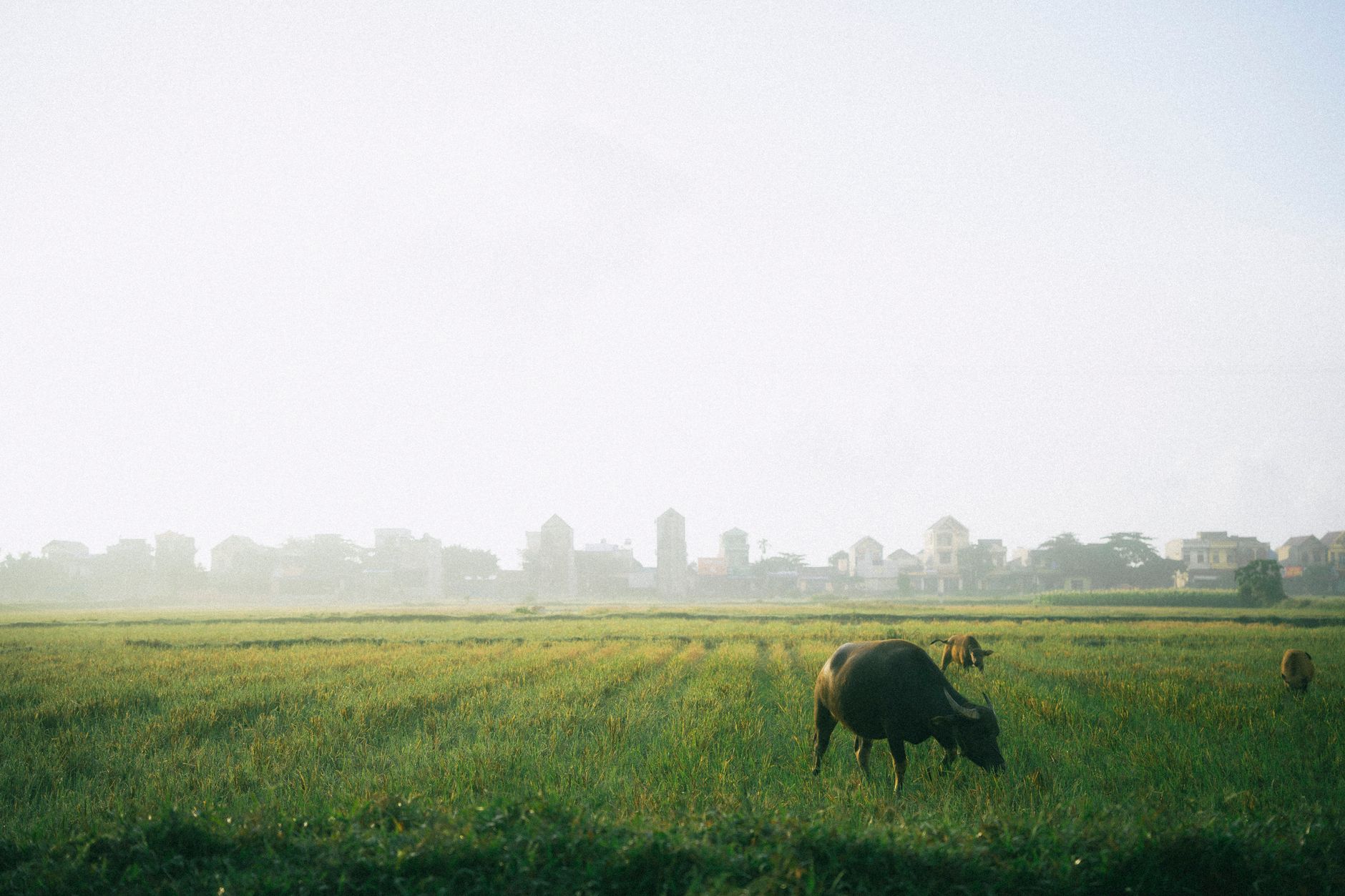
The name "Canh dong bat tan" translates roughly to "endless fields," and for once the Vietnamese aren't exaggerating. This stretch of open countryside in Tay Ninh province is exactly what it sounds like — kilometers of unbroken rice paddies, seasonal grasslands, and flooded plains that shift color with the harvest cycle. The landscape rolls out flat toward the Cambodian border with almost nothing interrupting the horizon except the occasional sugar palm tree and a water buffalo pretending you don't exist.
Tay Ninh has always been agricultural country. The province sits in the transition zone between the Mekong Delta (메콩 델타 / 湄公河三角洲 / メコンデルタ) wetlands and the drier uplands near the border, which gives it a particular kind of terrain: fertile enough to grow rice twice a year, dry enough to produce vast golden grasslands between seasons. The "endless fields" aren't a single fenced-off attraction — they're the defining feature of the rural landscape here, especially in the districts west and northwest of Tay Ninh city.
Why Travelers Go
Most foreign visitors to Tay Ninh come for the Cao Dai Great Temple and leave the same afternoon. That's a mistake. The open countryside here is one of the few places in southern Vietnam (베트남 / 越南 / ベトナム) where you can actually feel distance — no construction cranes, no karaoke speakers, no traffic. Photographers come for the golden-hour light over flooded paddies. Cyclists come because the roads are flat and empty. And some people just come to sit on a levee and watch egrets hunt in shallow water, which is a perfectly valid use of a Tuesday.
The landscape is especially photogenic during and just after the rainy season (June through November), when sections of the fields flood and reflect the sky. During dry season harvest (December through February), the paddies turn gold before being cut, which produces a different but equally compelling palette.
Best Time to Visit
There are two distinct windows, depending on what you want:
- October to December — The tail end of rainy season into early dry season. Fields are either flooded or freshly green. This is when the "endless" feeling is strongest because water extends the visual plane. Morning mist is common and burns off by 8 AM.
- January to March — Dry season harvest. Golden rice, clear skies, less humidity. Easier for cycling. Fewer mosquitoes.
Avoid April and May if you dislike heat. Tay Ninh regularly hits 37-38°C in those months, and the fields are brown and stubbled between planting cycles. Not much to see.
How to Get There from Saigon
Tay Ninh city is roughly 100 km northwest of Saigon — about 2.5 hours by car or motorbike, depending on how long you're stuck behind trucks on National Highway 22.
- Bus: Phuong Trang (FUTA) and Thanh Buoi run buses from An Suong bus station in Saigon to Tay Ninh bus station. Tickets run 80,000-120,000 VND one way, roughly 2.5-3 hours.
- Motorbike rental: If you're comfortable on two wheels, this is the better option. You'll want your own transport to explore the rural roads anyway. Rental from Saigon runs about 150,000-200,000 VND/day for a Honda Wave or similar.
- Car via Grab/private driver: Around 1,200,000-1,500,000 VND for a round trip with waiting time. Worth it if you're splitting with travel companions.
Once in Tay Ninh city, the fields themselves are 15-30 km further out, mostly along the roads heading toward the Cambodian border districts. You need a motorbike or bicycle from this point — there's no public transport into the countryside.

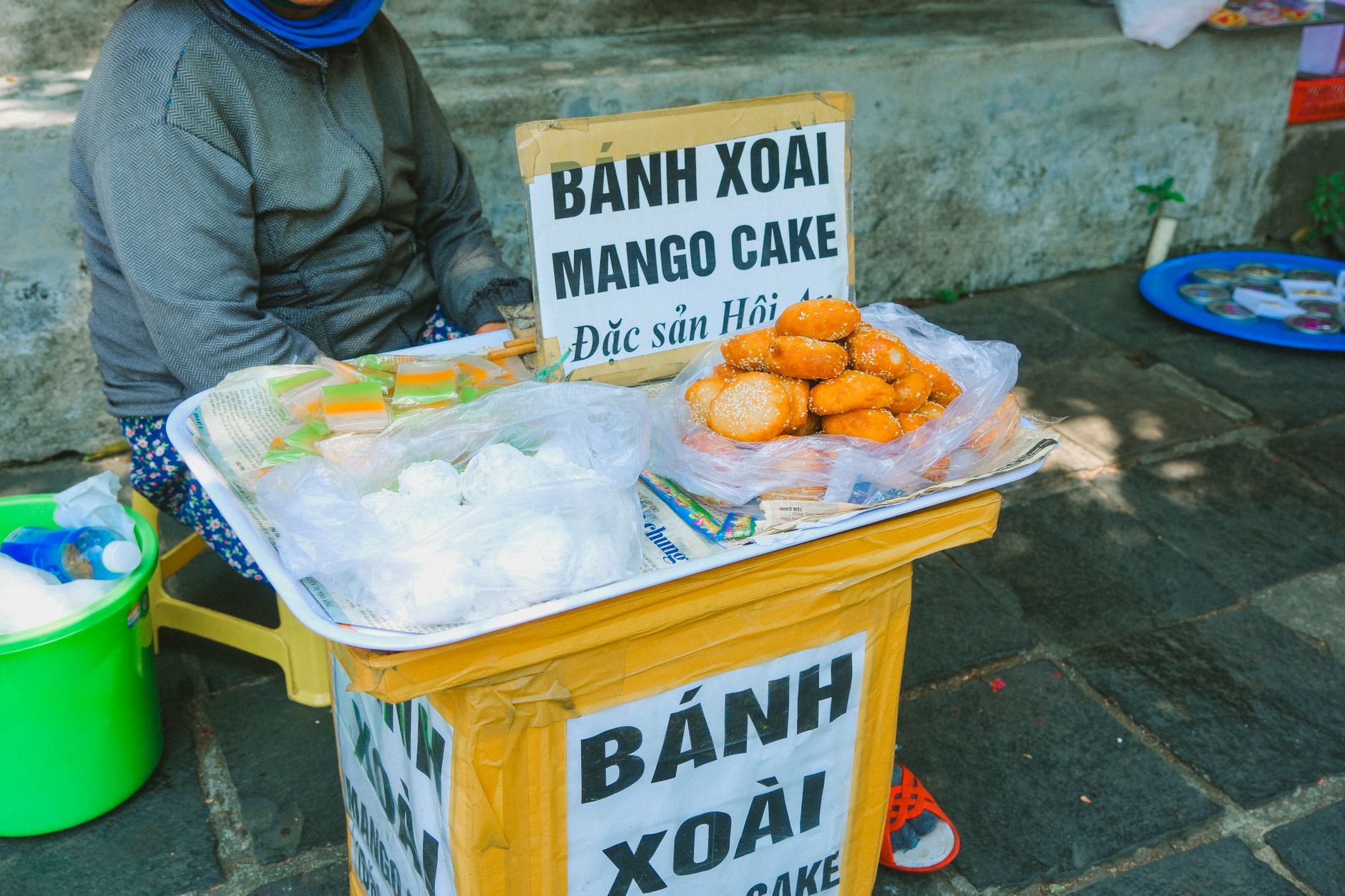
Photo by patcharee tangtiang on Pexels
What to Do
Ride the Levee Roads at Dawn
The narrow concrete paths built along irrigation canals are some of the best cycling and motorbike routes in the south. They cut straight through the paddies with water on both sides during wet season. Start early — 5:30 or 6:00 AM — when the light is soft and farmers are already out. The stretch along the Vam Co Dong river area is particularly good.
Visit a Sugar Palm Plantation
Tay Ninh is Vietnam's sugar palm capital. The "thot not" palms are everywhere, and local families harvest the sap to make palm sugar, a key ingredient in southern Vietnamese cooking. If you stop and show interest, most farmers will let you watch the process and buy fresh palm sugar on the spot for around 50,000-80,000 VND per kilogram.
Photograph the Cao Dai Great Temple
Yes, everyone does this — but it's worth your time. The temple is one of the most visually distinctive religious buildings in Southeast Asia, and the noon prayer ceremony (12:00 PM daily) is open to respectful visitors. Budget 1-1.5 hours.
Walk Through a Morning Market
Tay Ninh's central market and the smaller rural markets in outlying districts sell produce you won't find easily in Saigon. Look for "banh trang" (rice paper) being made fresh — Tay Ninh rice paper is considered the best in Vietnam, especially the "banh trang phoi suong" variety that's dried in the night dew.
Find the Black Lady Mountain Viewpoint
Nui Ba Den (Black Lady Mountain) sits at 986 meters and is the only real elevation in the entire province. A cable car runs to the summit for about 200,000 VND round trip. From the top, you can see the endless fields spreading out below in every direction — it puts the whole landscape in perspective.
Where to Eat Nearby
Tay Ninh's signature dish is "banh canh" — thick tapioca-and-rice-flour noodles served in a pork-bone broth with crab or shrimp. The version here is distinctly different from the Hue or Mekong Delta styles. Look for any shop with a crowd around 7 AM near the central market; expect to pay 30,000-45,000 VND per bowl.
The other thing to eat is Tay Ninh-style rice paper — "banh trang tron" (mixed rice paper salad) or "banh trang nuong" (grilled rice paper with egg and toppings). These are street snacks, 15,000-25,000 VND each, sold from carts around the market and near the Cao Dai temple.
Where to Stay
Tay Ninh isn't set up for tourism the way Da Lat or Hoi An is, so manage your expectations.
- Budget: Local "nha nghi" (guesthouses) in Tay Ninh city run 200,000-350,000 VND/night. Basic but clean enough. Air conditioning included at this price.
- Mid-range: A few newer hotels near the city center offer rooms for 500,000-800,000 VND with decent beds and hot water. Vinpearl has a property near Nui Ba Den if you want a known brand.
- Homestay: Limited options exist in the rural areas. Ask around in town — some families near the fields rent rooms informally.

Photo by Haneul Trac on Pexels
Practical Tips Locals Would Tell You
- Bring sunscreen and a hat. There is zero shade in the open fields.
- Carry cash. Nothing outside Tay Ninh city takes cards.
- If you're cycling, bring your own repair kit. Punctures from field debris are common and the nearest shop might be 10 km away.
- Mosquito repellent is non-negotiable during and after rainy season.
- Learn the phrase "chup hinh duoc khong?" (Can I take a photo?) before pointing your camera at farmers. Most people say yes and then insist you stay for tea.
Mistakes to Avoid
- Day-tripping from Saigon with only the Cao Dai temple on the list. You'll spend five hours in transit for a 90-minute visit. Stay overnight and see the countryside.
- Going at midday. The fields look flat and washed out under direct sun. Early morning and late afternoon are when the light does the work.
- Expecting infrastructure. There are no visitor centers, no signposted photo spots, no entrance fees. That's the point. Navigate by GPS pins and local directions.
- Skipping Nui Ba Den. The mountain gives you the aerial view that makes the fields make sense. Don't leave without going up.
Practical Notes
Tay Ninh works best as an overnight trip from Saigon — leave early, explore the fields and temple on day one, do Nui Ba Den on day two, and head back. Combining it with Cu Chi Tunnels on the way out is a logical route since Cu Chi district is directly on Highway 22 between Saigon and Tay Ninh.
Last updated · May 29, 2026 · independently researched, never sponsored.