What Suoi Bang actually is
Suoi Bang is a cluster of natural hot springs about 60 km inland from the coast in what used to be Quang Binh province — now part of the expanded Quang Tri after Vietnam (베트남 / 越南 / ベトナム)'s 2025 provincial merger. The springs sit in Bang village, Le Thuy district, where mineral-rich water surfaces at temperatures between 70°C and 105°C depending on the source. The hottest vents send steam curling through the surrounding jungle canopy, which is the sort of thing that looks unreal in morning light.
Locals have bathed here for generations. The water carries sulfur and silica — you can smell it before you see it. A modest resort complex was built around the main spring area, adding soaking pools at various temperatures, but the setting still feels more jungle than spa. This isn't Bali. There's no smoothie bar. That's the appeal.
Why travelers go
Most foreign visitors in this part of central Vietnam are laser-focused on Phong Nha and its caves, about 90 km to the northwest. Suoi Bang barely registers on the tourist circuit, which means you'll share the pools with Vietnamese families on weekend trips rather than backpacker crowds.
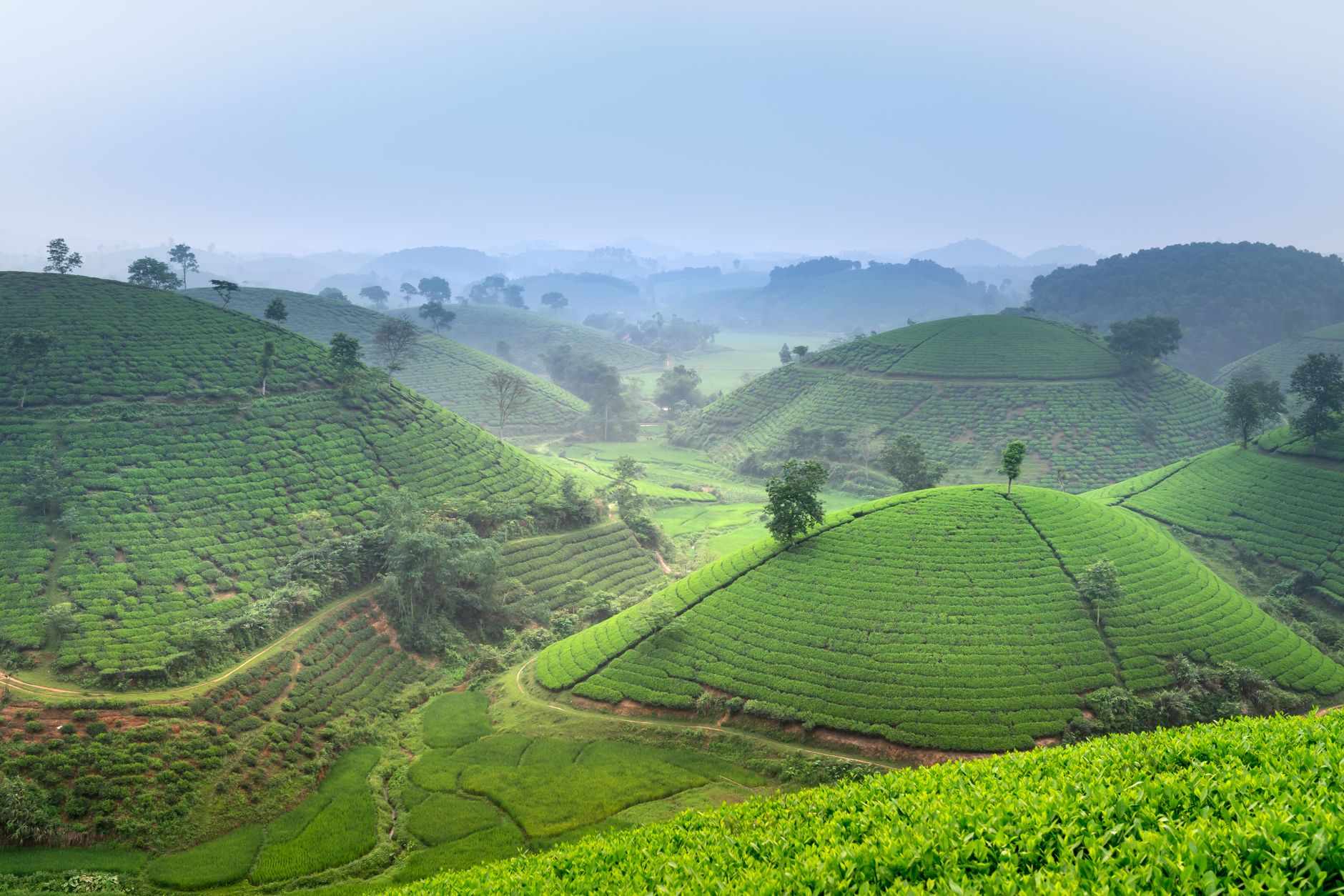
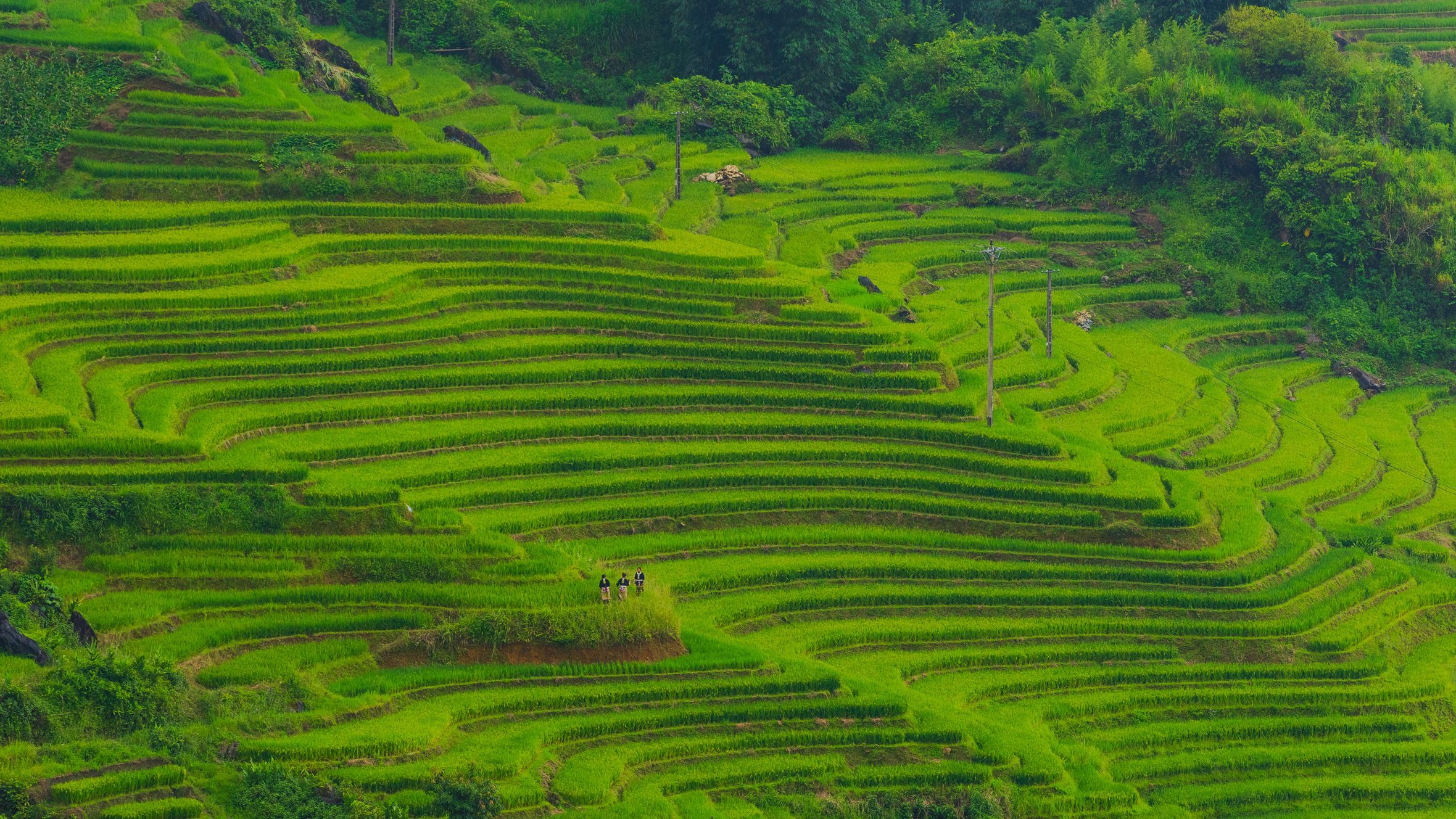
The draw is simple: soak in naturally heated mineral water surrounded by forest, with almost nobody around on weekdays. People with joint pain or skin conditions swear by the water — there's no clinical proof, but the mineral content is real. Beyond the soaking, the valley itself is worth the drive. The road in passes through rice paddies, pepper plantations, and rubber tree groves that give way to dense hill forest.
Best time to visit
The sweet spot is February through May. The rains have tapered off, temperatures are warm but not brutal, and the surrounding hills are still green from the wet season.
Avoid October and November entirely. This stretch of central Vietnam gets hammered by monsoon rains — Le Thuy district is flood-prone, and the access road to Suoi Bang can become impassable. December and January are cool and occasionally drizzly, which actually makes hot spring soaking more pleasant, but road conditions can still be dodgy after late-season storms.
Summer (June–August) is hot and dry. Soaking in 40°C water when the air temperature is 38°C requires a certain commitment.
How to get there
The nearest major hub is Dong Hoi, roughly 50 km to the north. If you're coming from Hue (about 170 km south), Dong Hoi is also your natural staging point — reachable by train (2.5–3 hours, around 120,000 VND for a hard seat on the Reunification Express) or bus.
From Dong Hoi, you have two options:
- Motorbike — The most practical choice. Rent in Dong Hoi for 120,000–180,000 VND/day and ride south on the Ho Chi Minh (호치민 / 胡志明 / ホーチミン) Highway (QL15) or cut through on provincial roads via Le Thuy town. The ride takes about 1.5 hours and the final 15 km on smaller roads winds through good scenery.
- Private car/taxi — A Dong Hoi taxi will run roughly 500,000–700,000 VND one way. Grab is available in Dong Hoi but drivers may be reluctant to go this far out; negotiate a round-trip with waiting time.
There's no direct public bus to the springs. You can catch a local bus from Dong Hoi to Le Thuy town (about 30,000 VND), then hire a "xe om" (motorbike taxi) for the remaining 20 km — expect 80,000–100,000 VND.

Photo by Anh Tuấn Lê on Pexels
What to do
Soak in the graduated pools
The resort area channels spring water into a series of pools ranging from scalding (around 50°C, marked with warnings) down to a comfortable 37–38°C. Start cool, work your way up. The hottest pools are small and meant for brief dips — don't be the person who tries to prove something. Twenty minutes in the mid-temperature pools is the right pace.
Walk to the natural source vents
A short trail from the resort leads uphill to where the water actually emerges from the rock. The ground here is warm underfoot. Steam vents hiss between boulders. Locals sometimes bring eggs in net bags to boil in the hottest pools — if you see someone doing this, ask nicely and they'll usually let you try one. A jungle-boiled egg tastes exactly like a regular egg, but the experience is better.
Hike the surrounding forest
The hills around Suoi Bang are covered in secondary tropical forest with some older-growth patches. No marked trails, but a few paths lead to streams and small waterfalls within 2–3 km of the springs. Bring proper shoes — the ground is uneven and slippery. Leeches are present during and just after the rainy season.
Visit a pepper farm
Le Thuy district grows black pepper, and small family farms dot the road approaching the springs. Most are happy to show you around if you stop and ask. Buying a bag of fresh peppercorns directly costs next to nothing — around 80,000–120,000 VND per kilogram — and the quality is noticeably better than what you'll find packaged in tourist shops.
Where to eat nearby
Options right at the springs are limited to a basic canteen at the resort. For better food, stop in Le Thuy town on the way in or out.
Look for "banh canh" — the thick tapioca-flour noodle soup that's a staple across this part of central Vietnam. In Le Thuy, it's typically served with crab or shrimp in a peppery broth. A bowl runs 25,000–35,000 VND. "Bun bo Hue" also shows up on menus here — you're close enough to Hue that the recipe hasn't drifted far from the original.
If you're self-catering or picnicking at the springs, grab "banh mi" and fruit in Le Thuy market before heading up.
Where to stay
The Suoi Bang resort has basic rooms starting around 400,000–600,000 VND per night. Don't expect luxury — think clean beds, functioning air conditioning, hot spring access included. Weekends book up with domestic visitors, so call ahead.
For more options, base yourself in Dong Hoi, where budget hotels start at 250,000 VND and mid-range places with river views go for 600,000–1,200,000 VND. Dong Hoi also makes a logical base if you're combining Suoi Bang with a trip to Phong Nha.

Photo by Matthew Hernandez on Pexels
Tips locals would tell you
- Bring your own towel and flip-flops. The resort has rentals but they're not always available.
- Hydrate aggressively. Hot spring soaking dehydrates you faster than you think, especially in warm weather. Bring at least 2 liters of water.
- Go on a weekday. Weekend crowds — mostly Vietnamese tour groups — fill the pools by mid-morning. Tuesday or Wednesday, you might have entire pools to yourself.
- Sunscreen before, not after. Apply it before you get in the mineral water. Reapplying over sulfur-coated skin is pointless.
Common mistakes
- Rushing through as a half-day stop. The drive is long enough that you want at least 3–4 hours at the springs to justify the trip. Combine it with the pepper farm stop and a Le Thuy lunch to make a full day.
- Wearing jewelry into the pools. The sulfur will tarnish silver quickly. Leave rings and chains in your bag.
- Skipping the natural vents. The resort pools are convenient, but the actual spring source uphill is the more interesting part. Don't just soak and leave.
- Attempting the road after heavy rain. If it's been raining hard for more than a day, check with your hotel in Dong Hoi before heading out. The last stretch of road floods.
Practical notes
Suoi Bang charges an entry fee of around 50,000 VND per person (subject to change). The resort has a small parking area for motorbikes. Mobile signal is weak near the springs — download offline maps before leaving Dong Hoi. If you're building a longer central Vietnam trip, Suoi Bang fits naturally between Phong Nha to the north and Hue to the south.
Last updated · May 29, 2026 · independently researched, never sponsored.