What Gao Giong actually is
Gao Giong is a 1,700-hectare wetland eco-tourism area in Cao Lanh district, Dong Thap province, about 35 km southeast of Cao Lanh city. It sits inside Dong Thap Muoi (the Plain of Reeds), one of the largest freshwater marshes in the Mekong Delta (메콩 델타 / 湄公河三角洲 / メコンデルタ). The core of the site is a cajuput ("tram") forest surrounded by lotus ponds, flooded grasslands, and canals that serve as home to tens of thousands of storks, herons, cormorants, and other waterbirds.
The area was developed for tourism in the early 2000s, but the forest and its bird colonies have been here much longer. During the flood season, the Plain of Reeds transforms into a vast inland sea, and Gao Giong becomes one of the few accessible spots to experience that landscape without chartering a private boat into the middle of nowhere.
This isn't a polished theme park. It's a working wetland with basic infrastructure — wooden walkways, observation towers, small boats — and that's exactly what makes it worth, the trip.
Why travelers go
Most visitors come for two things: the bird colony and the cajuput forest. The observation tower at Gao Giong gives you a direct view over nesting grounds where thousands of birds roost at dawn and dusk. It's genuinely impressive in a way that doesn't need exaggeration — just a lot of birds in a very green, very quiet place.
The second draw is the flood season experience. From August through November, the surrounding plains flood, and boat trips through submerged forest feel like drifting through a different country entirely. Lotus fields bloom across the water surface, and locals harvest "sen" (lotus seeds) from small wooden boats — something you can join in on if the timing is right.
For anyone spending time in the Mekong Delta beyond the standard Can Tho floating market loop, Gao Giong offers a slower, less commercial alternative.
Best time to visit
The sweet spot is September to November, peak flood season. Water levels are high, the cajuput forest is partially submerged (which makes the boat rides dramatic), and the bird colonies are at their most active. Lotus flowers bloom heavily in June and July, so if flowers are your priority, aim earlier.
The dry season (December to April) is fine for the bird tower and walking trails, but the landscape loses much of its character. The canals shrink, the forest floor dries out, and boat routes become limited. Avoid midday visits year-round — the delta heat between 11:00 and 14:00 is relentless, and the birds aren't active anyway.
How to get there
From Saigon: Drive or take a bus to Cao Lanh city (about 160 km, 3-3.5 hours by car via the My Thuan bridge route). From Cao Lanh, Gao Giong is another 35 km southeast — roughly 45 minutes by motorbike or car. There's no direct public bus to the site itself, so you'll need your own wheels or a local taxi/xe om from Cao Lanh. Expect to pay around 250,000-350,000 VND for a one-way taxi from Cao Lanh city center.
From Can Tho (껀터 / 芹苴 / カントー): About 90 km north, roughly 2 hours by car. Cross the Vam Cong bridge and head through Lap Vo district toward Cao Lanh, then follow signs to Gao Giong. This route is straightforward on a motorbike if you're comfortable with delta roads.
Entrance fee is around 30,000 VND per person. Boat rides inside the area cost 50,000-150,000 VND depending on route length and group size.

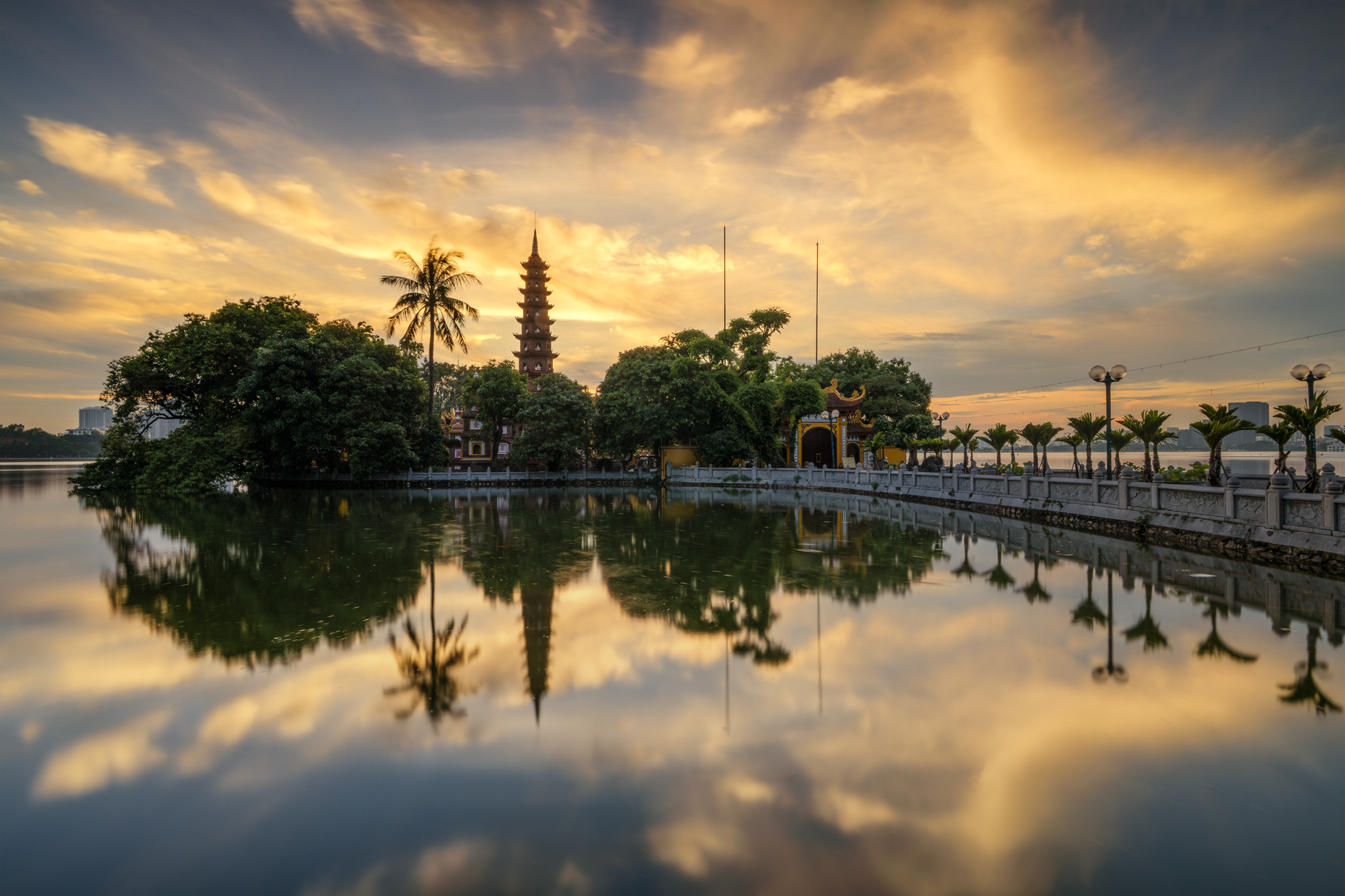
Photo by HỨA QUANG THỚI on Pexels
What to do
Climb the bird observation tower
The 18-meter wooden tower at the center of the bird sanctuary is the main attraction. Go early — arrive by 6:00 if you can — when flocks of storks and herons lift off the treetops in waves. Bring binoculars. The tower itself is basic but stable enough. Late afternoon (around 16:30-17:00) is the second-best window, when birds return to roost.
Take a sampan through the cajuput forest
During flood season, small wooden boats ("xuong") navigate narrow channels through the cajuput trees. The water is tannin-dark, the light filters green through the canopy, and it's quiet except for the paddle. A typical loop takes 30-45 minutes. This is the part people remember.
Walk the lotus pond boardwalks
Wooden walkways extend over lotus ponds near the entrance area. In season (June-August), the pink blooms are thick enough to photograph without trying too hard. Vendors near the ponds sell fresh lotus seeds and lotus tea — worth trying both.
Try fishing the local way
Some visits include a chance to fish with "lo" (basket traps) or cast nets in the flooded fields. This is seasonal and depends on water levels, but if offered, it's a genuine delta activity, not a performance.
Visit the honey bee farms
Small-scale beekeeping operations near Gao Giong produce cajuput honey ("mat ong tram"). You can watch the extraction process and buy directly — prices are significantly cheaper than what you'd pay in Saigon, usually around 150,000-200,000 VND per liter.
Where to eat nearby
Gao Giong has a small canteen serving basic delta dishes, but for better food, eat in Cao Lanh before or after your visit.
Look for "lau ca linh bong dien dien" — a hotpot made with small freshwater fish ("ca linh") and yellow sesbania flowers, available only during flood season (September-November). It's one of the most seasonal dishes in the Mekong Delta and genuinely hard to find outside this window. "Banh xeo" in the delta style — thinner, crispier, stuffed with shrimp and bean sprouts — is available year-round at local restaurants along the road into Cao Lanh. "Com tam" shops are easy to find in town for a quick, cheap meal.
Where to stay
There's no accommodation inside Gao Giong itself. Stay in Cao Lanh city, which has a decent range:
- Budget: Guesthouses ("nha nghi") along the main road, 200,000-350,000 VND/night. Basic but clean.
- Mid-range: Hotels like Hoa Binh or Song Tra in central Cao Lanh, 400,000-700,000 VND/night with air conditioning and breakfast.
- Comfortable: Muong Thanh Cao Lanh, around 800,000-1,200,000 VND/night, the most reliable option in town.
Book direct or walk in — Cao Lanh rarely sells out except during major holidays like Tet.

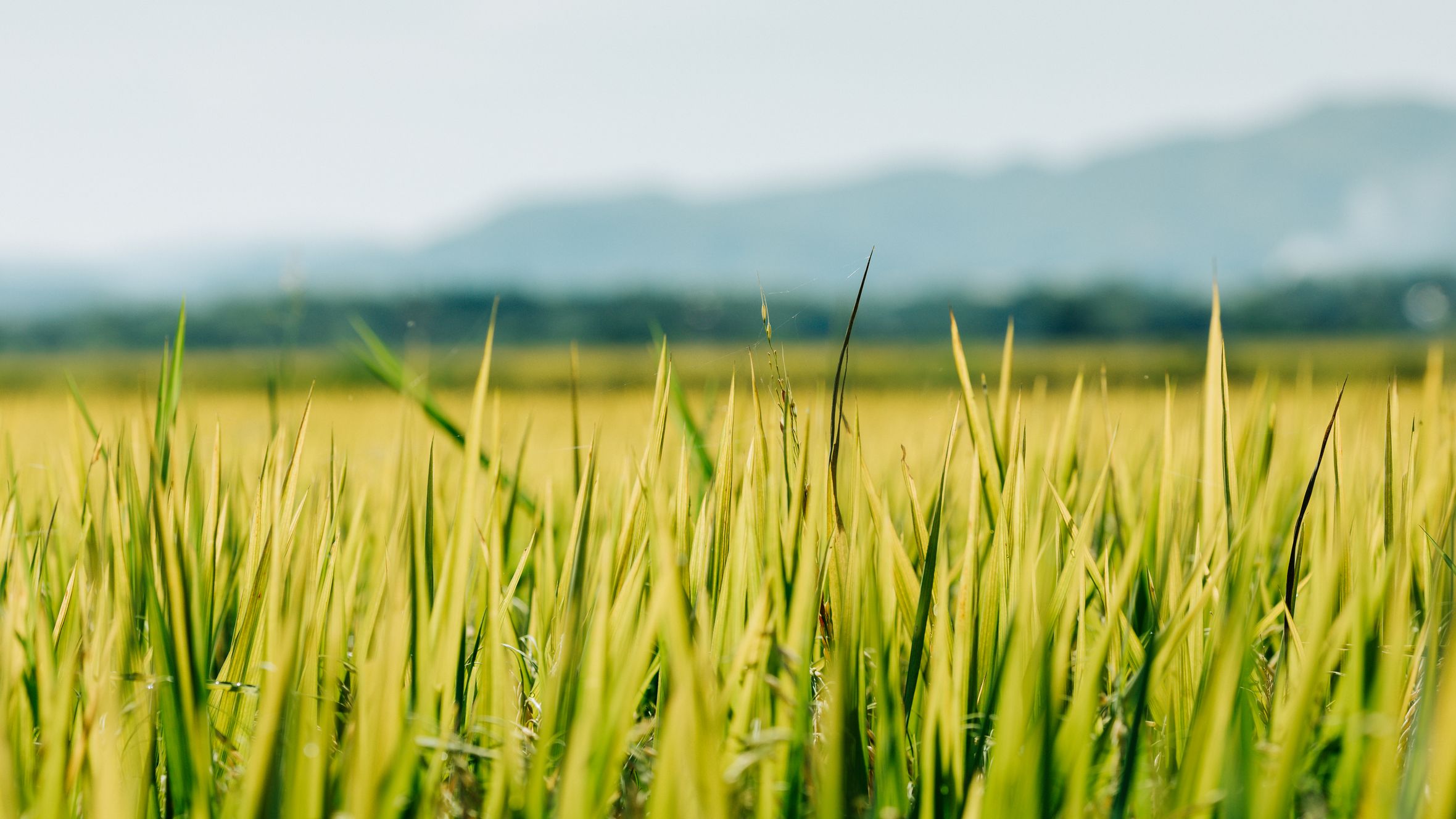
Photo by Sanjeev Kumar Maurya on Pexels
Practical tips locals would tell you
- Bring insect repellent. The cajuput forest is a wetland. Mosquitoes are aggressive, especially at dawn and dusk — exactly when you want to be at the bird tower.
- Wear a hat and long sleeves. Shade is limited on the walkways and boat landings.
- Carry cash. There's no ATM at Gao Giong, and vendors don't take cards.
- Hire a local guide at the entrance (around 100,000-200,000 VND). They know which channels are navigable and where the bird colonies are densest that day. It's worth it.
Common mistakes to avoid
- Coming in the dry season and expecting the full experience. The flood season is what makes Gao Giong special. A dry-season visit is fine but significantly less interesting.
- Arriving at midday. Heat, no birds, harsh light. Morning or late afternoon only.
- Skipping the boat ride. Some visitors just do the tower and leave. The sampan through the cajuput forest is the best part — don't cut it.
- Trying to do Gao Giong as a day trip from Saigon. Technically possible, but you'll spend six hours driving for two hours on-site. Stay a night in Cao Lanh and combine it with Tram Chim National Park, which is another 40 km north and has a similar but larger wetland ecosystem.
Practical notes
Gao Giong works best as part of a broader Dong Thap trip — pair it with Tram Chim and Sa Dec flower village for a solid two to three days in a part of the Mekong Delta that most travelers skip entirely. It's not flashy, but it's real delta life, and that's the whole point.
Last updated · May 29, 2026 · independently researched, never sponsored.