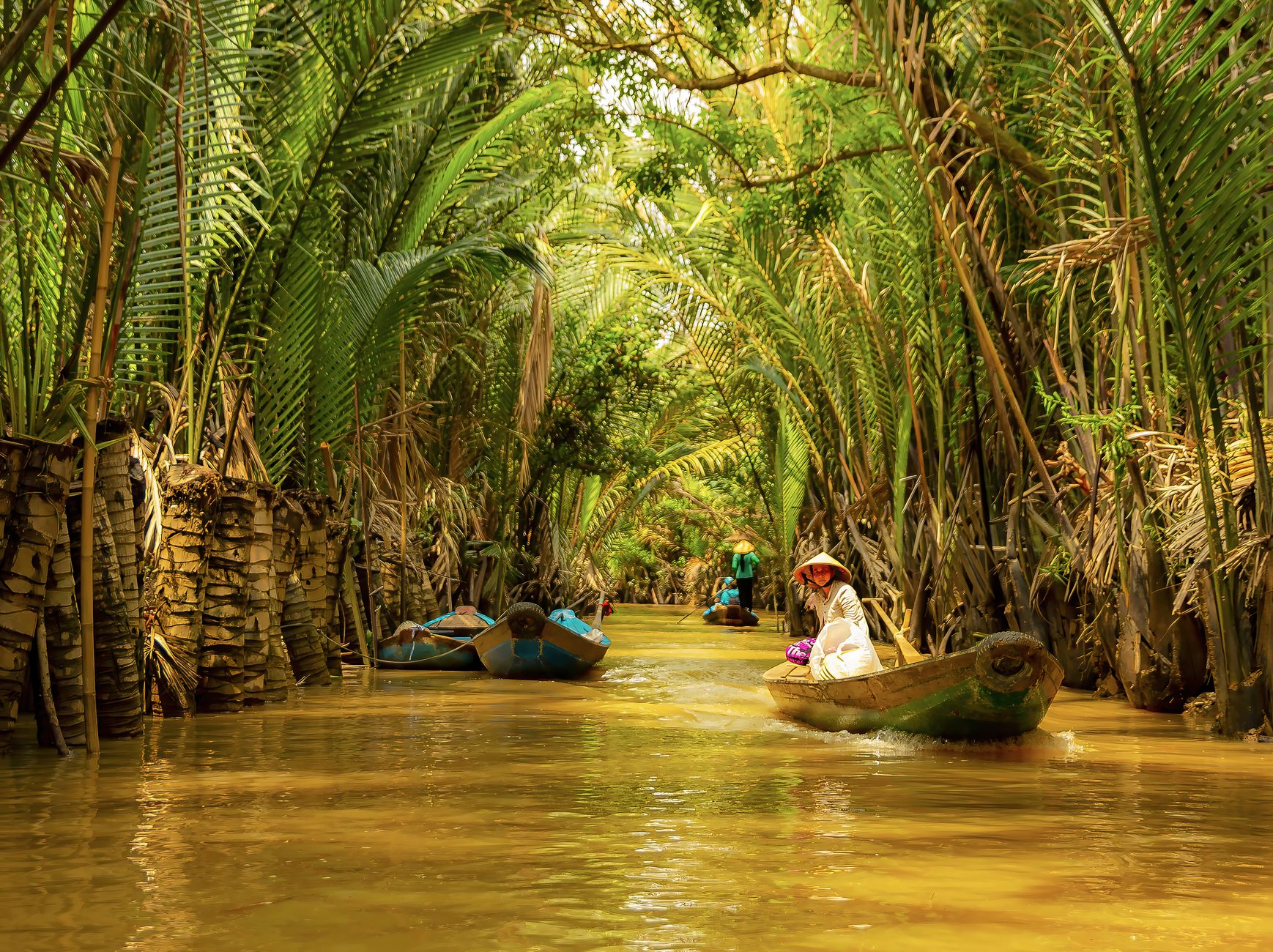
Khai Long Beach is about as far south as you can get in mainland Vietnam. It sits in Ngoc Hien district, Ca Mau province, roughly 110 km from Ca Mau city — a long, wide stretch of sand facing the East Sea that most domestic tourists only discover when they're chasing the "southernmost point" badge. If you're already in the Mekong Delta (메콩 델타 / 湄公河三角洲 / メコンデルタ) and want a beach that hasn't been carved up by resorts, this is worth the detour.
What it is
Khai Long runs for about 3 km along the coast of Ngoc Hien, with a mix of hard-packed sand and shallow, warm water. It's not a manicured beach — expect casuarina trees lining the shore, fishing boats pulled up on the sand, and a general absence of sunbed-and-cocktail infrastructure. The area around Khai Long is primarily mangrove forest and shrimp farms, which gives the whole place a quiet, end-of-the-road atmosphere.
The beach has been on the domestic tourism radar since the early 2000s, when Ca Mau province started developing the Dat Mui (Cape Ca Mau) area as a destination. A few basic resorts have gone up, but development is slow. That's part of the appeal — and part of the challenge.
Why travelers go
Most people come here as part of a trip to Dat Mui, the southernmost tip of Vietnam (베트남 / 越南 / ベトナム), which is about 30 km further southwest. Khai Long is the only proper swimming beach in Ca Mau province, so if you've spent days navigating canals and mangroves in the delta and want to actually get in the water, this is it.
The other draw is the sheer remoteness. You won't share the sand with tour groups. On weekdays outside of Tet and summer holidays, you might have long sections of the beach to yourself. Birdwatchers also pass through — the nearby mangrove forests are home to herons, egrets, and other wading birds.
Best time to visit
The dry season from November through April is your window. Ca Mau gets hammered by rain from May to October — we're talking daily downpours that turn dirt roads to mud and make the long drive from Ca Mau city genuinely unpleasant. December to February is ideal: lower humidity, calmer seas, and cooler temperatures (by Mekong Delta standards, meaning around 25-28°C instead of 33°C).
Avoid the weeks around Tet / 越南春节 / テト) if you don't want to compete with domestic visitors for the limited accommodation. The beach gets a brief surge of Vietnamese families during the holiday.
How to get there
The nearest major hub is Ca Mau city, which itself is about 350 km from Saigon.
Saigon to Ca Mau: Sleeper buses run from Mien Tay bus station and take 7-8 hours. Tickets cost 180,000-250,000 VND depending on the operator. Phuong Trang (FUTA) and Kumho Samco are reliable. There are also flights from Tan Son Nhat to Ca Mau airport (about 1 hour, from around 800,000 VND one way if booked early), though schedules are limited.
Ca Mau city to Khai Long: This is the tricky part. It's about 110 km, and the road quality varies. You have a few options:
- Motorbike rental from Ca Mau city (150,000-200,000 VND/day). The ride takes about 2.5-3 hours. Roads are paved but narrow in places, with truck traffic near the shrimp processing areas. This is the most flexible option.
- Taxi or private car: Expect to pay 800,000-1,200,000 VND one way. Worth it if you're splitting with others.
- Local bus to Ngoc Hien town, then a xe om (motorbike taxi) the remaining distance. Cheaper but slow and requires some Vietnamese to negotiate.
There's no direct tourist shuttle. This isn't Phu Quoc.

Photo by Alberto Capparelli on Pexels
What to do
Swim and walk the beach
The water is shallow and warm year-round, with a gentle slope — good for wading. The sand is firm enough for long walks. Head north along the shoreline in the early morning when fishing boats are coming in.
Visit Dat Mui (Cape Ca Mau)
The main reason most people are in this area. Dat Mui National Park is about 30 km from Khai Long. You can take a boat through the mangrove canals to the GPS marker at Vietnam's southernmost point. Boat trips run about 300,000-500,000 VND depending on group size and route. The mangrove forest here is genuinely impressive — dense, tangled, and full of mudskippers and crabs.
Explore the mangrove boardwalks
Near Dat Mui, raised wooden walkways thread through the mangroves. These are well-maintained and give you a ground-level view of the root systems and wildlife. Early morning is best for bird sightings.
Watch the shrimp harvest
Ca Mau province produces a huge share of Vietnam's shrimp. If you're on a motorbike, you'll pass dozens of shrimp ponds on the way to Khai Long. Stop and watch — farmers are usually happy to show you the process if you're polite and not in a rush.
Catch sunrise over the water
Khai Long faces east, so sunrise is the main event. Set an alarm. The light over the flat coastline and casuarina trees is worth the early wake-up.
Where to eat nearby
Seafood is the obvious play here, and it's cheap. Shrimp, crab, and fish come straight from the boats or the ponds.
"Bun nuoc leo" is the local noodle soup you should try — a southern Khmer-influenced dish with a fermented fish broth, thick rice noodles, and roasted pork. It's a Ca Mau and Bac Lieu staple, and roadside stalls along the route serve it for 25,000-35,000 VND.
Grilled mud crab ("cua bien") at the beachside eateries near Khai Long runs about 150,000-300,000 VND per kg depending on size and season. Simple preparation — charcoal-grilled with salt and chili — and extremely fresh.
For a proper meal in a restaurant setting, you'll need to head back toward Ngoc Hien or Nam Can town.
Where to stay
Options are limited. Expect guesthouse-level comfort, not hotel standards.
- Khai Long Resort is the most established option near the beach. Basic rooms with air conditioning run 400,000-700,000 VND/night. Don't expect luxury — think clean enough, functional, with a restaurant on-site.
- Guesthouses (nha nghi) in Ngoc Hien town, about 15 km away, go for 200,000-350,000 VND/night. These are bare-bones but serviceable.
- Homestays near Dat Mui have popped up in recent years, mostly catering to Vietnamese visitors. Prices hover around 250,000-400,000 VND including dinner and breakfast. Language barrier is real — bring Google Translate.
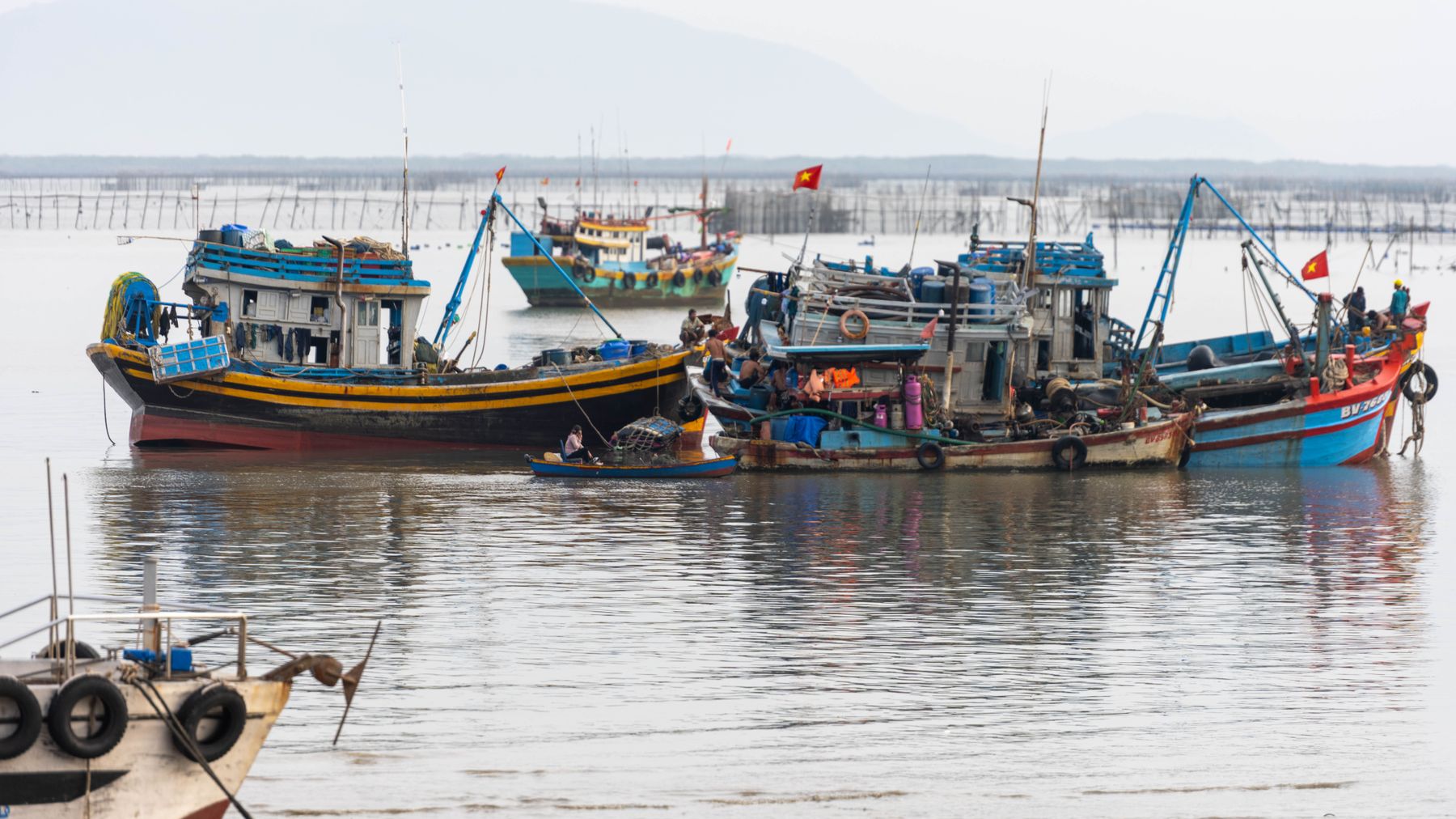
Photo by Quang Vuong on Pexels
Practical tips locals would tell you
- Bring cash. There are no ATMs near Khai Long. The last reliable ATM is in Nam Can town or Ca Mau city. Card payments don't exist out here.
- Pack mosquito repellent. Mangroves mean mosquitoes, especially at dusk. Non-negotiable.
- Fill your fuel tank in Ca Mau city. Petrol stations thin out dramatically past Nam Can.
- Wear shoes you can get muddy. The beach area and mangrove trails aren't flip-flop territory after rain.
Common mistakes to avoid
- Treating it as a day trip from Ca Mau city. The 110 km each way on slow roads means you'll spend five or six hours just driving. Stay overnight.
- Expecting a resort beach. There are no beach bars, no loungers, no banana boats. If you want that, head to Phu Quoc. Khai Long is for people who like quiet and don't mind basic facilities.
- Skipping Dat Mui. If you've come all the way to Khai Long and don't continue to the cape, you've missed the main attraction of the area.
- Arriving without a plan for transport back. If you came by xe om, confirm your return ride in advance. Ride-hailing apps don't work reliably here.
Bottom line
Khai Long Beach isn't a destination you visit for the beach alone — it's the anchor for exploring Vietnam's deep south, where the delta finally runs out of land. Come prepared for rough-around-the-edges logistics and you'll find a coastline that feels genuinely untouched by the tourism machine grinding away further north.
Last updated · May 29, 2026 · independently researched, never sponsored.