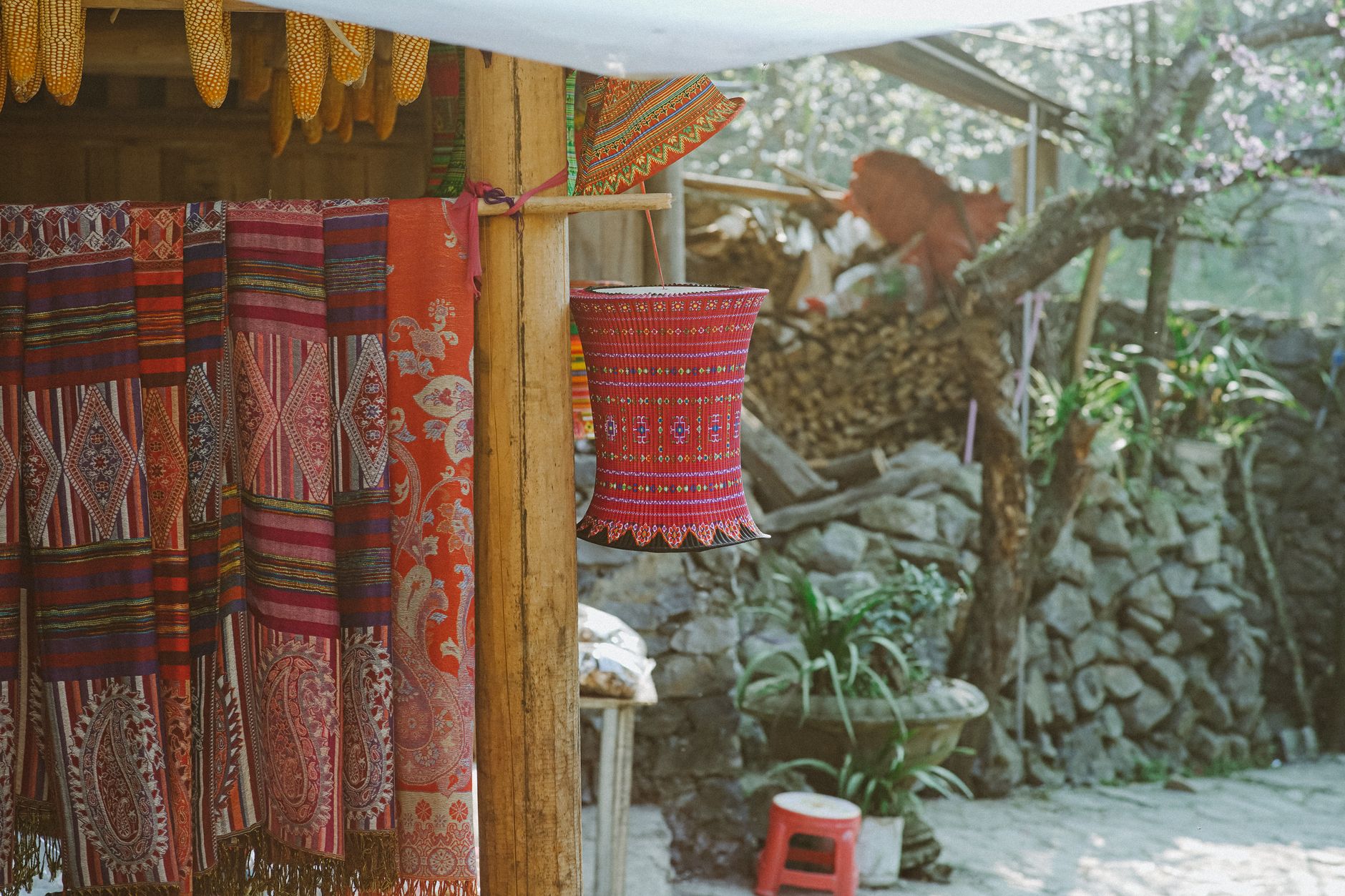
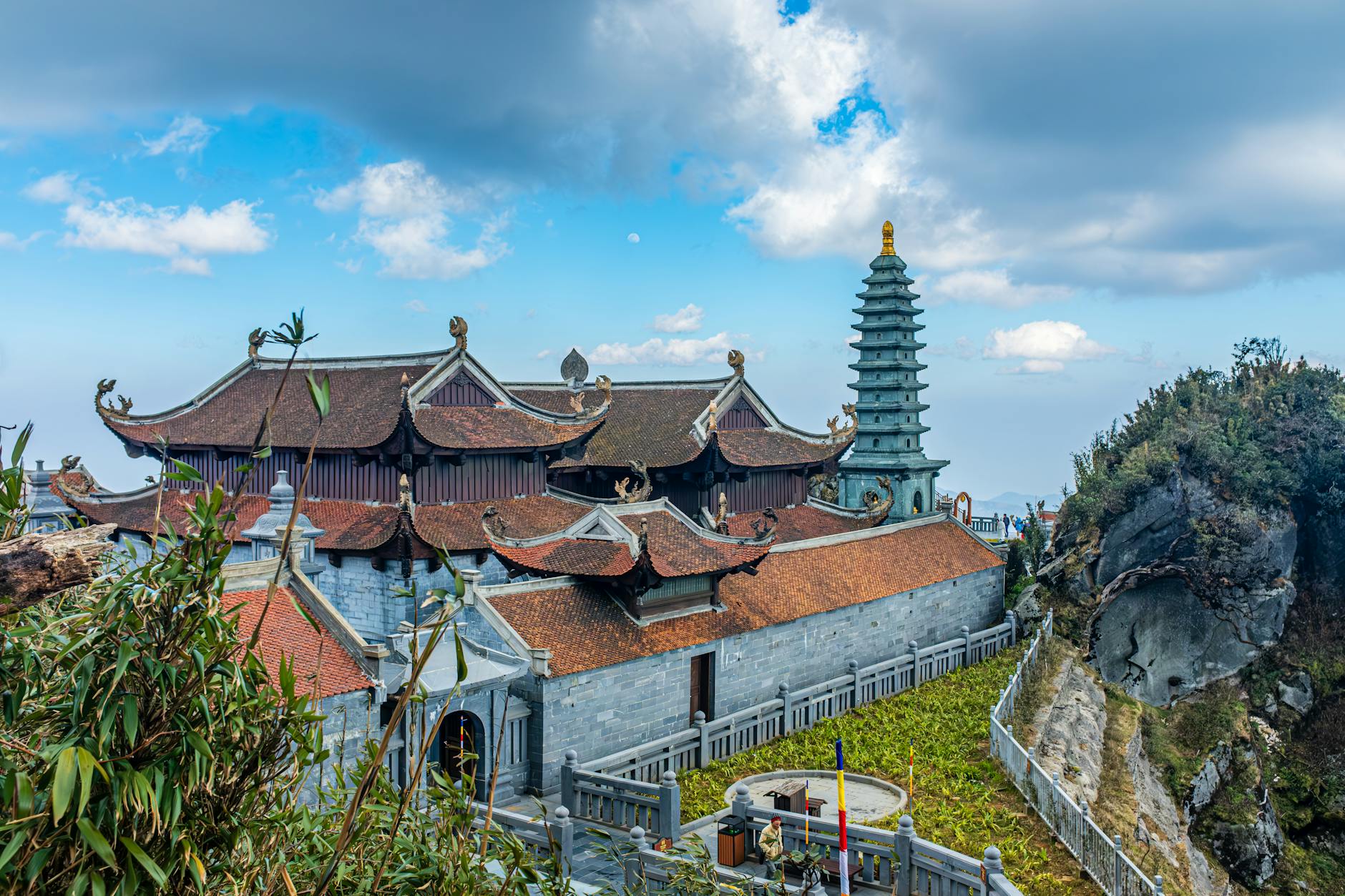
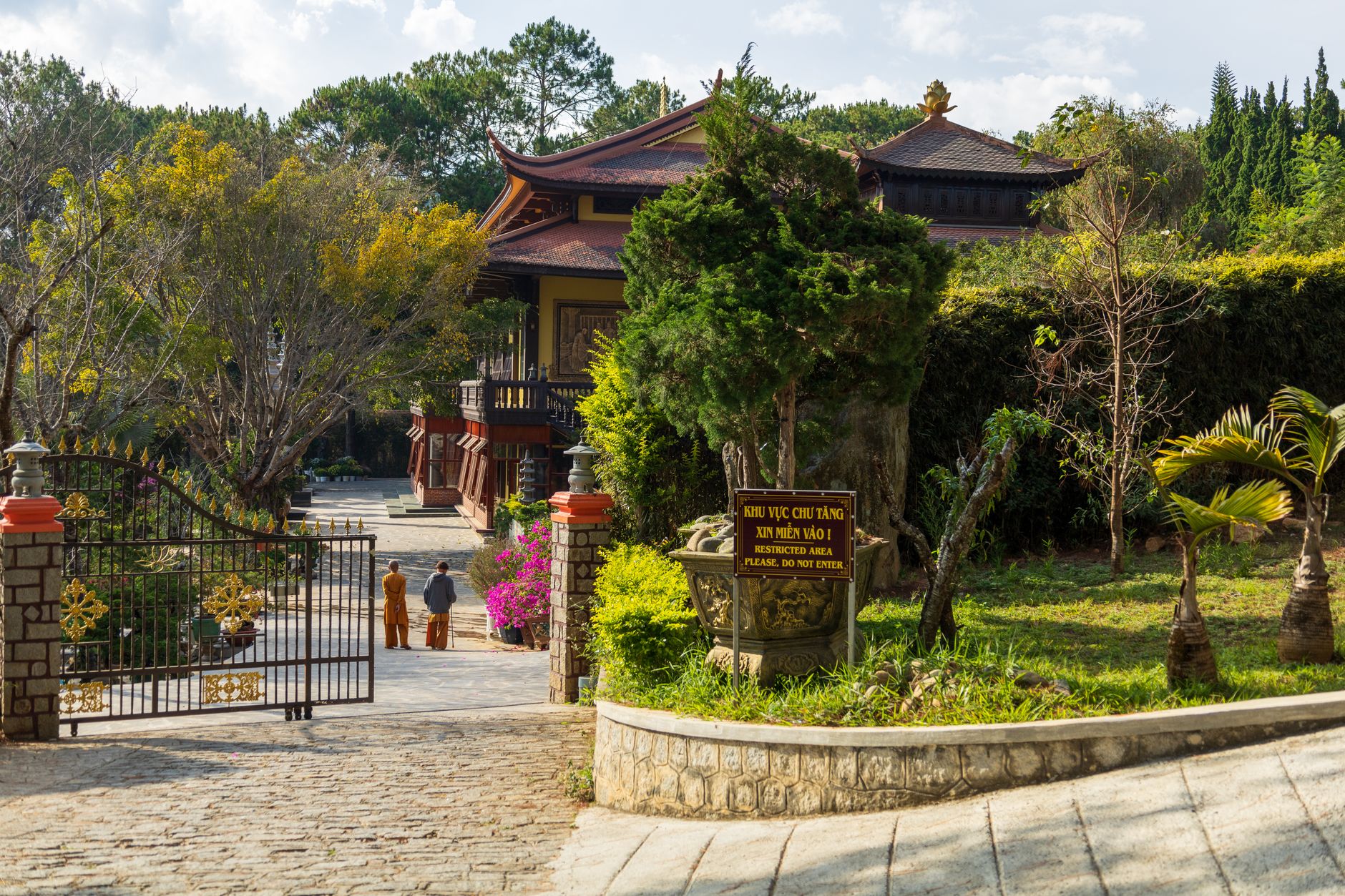
Khe Ro (Rung Nguyen Sinh Khe Ro) is a 7,153-hectare primeval forest reserve tucked into the northeastern edge of the newly merged Bac Ninh province, bordering Lang Son. It sits in the former Bac Giang territory, in Son Dong district — far enough from Hanoi to feel genuinely remote, close enough for a weekend trip. If you want old-growth forest without the tourist infrastructure of a national park, this is one of the better options in the north.
What Khe Ro Actually Is
Khe Ro is a nature reserve, not a national park. That distinction matters. There are no ticket booths, no paved boardwalks, no souvenir shops at the entrance. The forest covers limestone hills between 200 and 700 meters elevation, with a canopy dense enough to block out most daylight on the forest floor. Surveys have documented over 800 plant species and around 200 animal species, including several listed in Vietnam (베트남 / 越南 / ベトナム)'s Red Book — langurs, pangolins, and various civet species, though your chances of seeing large mammals are slim.
The forest has been protected since 1992, and the surrounding Kinh Mon and An Lac communes have served as a buffer zone. Local Dao and Tay ethnic minority communities live along the forest edges and have traditionally managed access.
Why Travelers Go
Khe Ro draws a specific kind of visitor: people who want to walk through actual forest, not a manicured trail system. The appeal is the forest itself — massive hardwoods draped in epiphytes, stream crossings over mossy rock, the noise of insects and birds rather than motorbike engines. There are waterfalls in the reserve, the most visited being a cascade about 3 km into the main trail, roughly 20 meters high and best after rains.
It also attracts birders. The forest canopy supports several species hard to find elsewhere in the Red River Delta lowlands, including various barbets, broadbills, and flycatchers.
For anyone based in Hanoi who has already done Sapa, Ninh Binh (닌빈 / 宁平 / ニンビン), and Mai Chau, Khe Ro offers something different — genuinely quiet forest without the tour-group infrastructure.
Best Time to Visit
September through November is the sweet spot. The monsoon rains have greened everything up, the waterfalls are running strong, but the heaviest downpours have tapered off. Trails are damp but passable. Temperatures sit around 22-26°C under the canopy.
Avoid June through August if you dislike leeches and mud. The forest gets serious rain — 1,500-1,800 mm annually, most of it concentrated in summer — and trails become slippery to the point of being dangerous on steeper sections. December through February is cool and dry, good for trekking, but waterfalls may be reduced to a trickle and the forest feels less alive.
How to Get There from Hanoi
Khe Ro is approximately 160 km northeast of Hanoi. There is no direct public bus to the forest entrance.
Option 1 — Motorbike (recommended): Ride from Hanoi via Highway 1A north to Bac Giang city, then take Provincial Road 293 northeast through Luc Nam and on to Son Dong. From Son Dong town, it's another 20 km on smaller roads to the forest access point near An Lac commune. Total ride time: 3.5-4 hours depending on traffic leaving Hanoi. Fuel cost roughly 120,000-150,000 VND round trip.
Option 2 — Bus + xe om: Take a bus from My Dinh or Gia Lam station to Bac Giang city (around 60,000-80,000 VND, 1.5 hours), then a local bus to Son Dong (50,000-70,000 VND, 2 hours). From Son Dong, you'll need a xe om (motorbike taxi) to the forest — negotiate for around 100,000-150,000 VND one way. This option eats most of a day.
Option 3 — Private car: Arrange through your hotel in Hanoi. Expect 2,500,000-3,500,000 VND for a day trip with driver, depending on negotiation.

Photo by Quang Nguyen Vinh on Pexels
What to Do
Trek to Khe Ro Waterfall
The main trail runs about 3 km from the access point to the primary waterfall. It follows a stream bed for much of the route, crossing the water several times. Wear shoes you don't mind getting wet. The walk takes 1.5-2 hours each way at a comfortable pace. No guide is strictly required, but the trail splits in places — hiring a local guide from An Lac commune (around 200,000-300,000 VND for a half day) keeps you from wandering onto logging paths.
Walk the Ridgeline Loop
A longer circuit — roughly 8-10 km — climbs from the valley floor onto a limestone ridge with partial views through the canopy toward Lang Son province. This takes a full day and a guide is strongly recommended. The trail is unmarked past the first junction.
Visit Dao and Tay Hamlets
The communities at the forest edge are not tourist villages. There are no staged cultural shows. But if you arrive with a local contact or guide, families sometimes host visitors for a meal or overnight stay. "Xoi ngu sac" (five-color sticky rice) and grilled stream fish are common offerings. Be respectful — ask before photographing, bring a small gift (fruit, tea, or packaged snacks are appropriate).
Birding at Dawn
If you stay overnight, the first two hours after sunrise are prime for birdwatching along the stream trail. Bring binoculars — the canopy is high and dense.
Stream Swimming
Below the main waterfall, natural pools form between boulders. The water is cold, clean, and genuinely refreshing after a sweaty trek. There are no facilities — just forest and water.
Where to Eat Nearby
Son Dong town has a handful of "com binh dan" (everyday rice) shops along the main road. The local specialty worth seeking out is "ga doi" — free-range hill chicken, usually grilled or steamed with lime leaves. A whole chicken runs about 250,000-350,000 VND and feeds two to three people. Pair it with "xoi" (sticky rice) and local greens.
If you're heading back through Bac Giang city, stop for "banh da" — flat rice noodles in a pork-bone broth, a regional dish you won't find easily in Hanoi. Shops along Hoang Van Thu street serve solid bowls for 30,000-40,000 VND.
Where to Stay
There are no hotels at Khe Ro itself. Your options:
- Homestay in An Lac or nearby communes: Basic rooms, shared facilities, 150,000-250,000 VND per night. Arrange through a local guide or call ahead — availability is limited.
- Son Dong town: A few guesthouses ("nha nghi") with air conditioning and hot water. Expect 200,000-400,000 VND per night. Nothing fancy.
- Bac Giang city: Mid-range hotels in the 400,000-800,000 VND range if you prefer a proper bed and want to drive to the forest early morning.
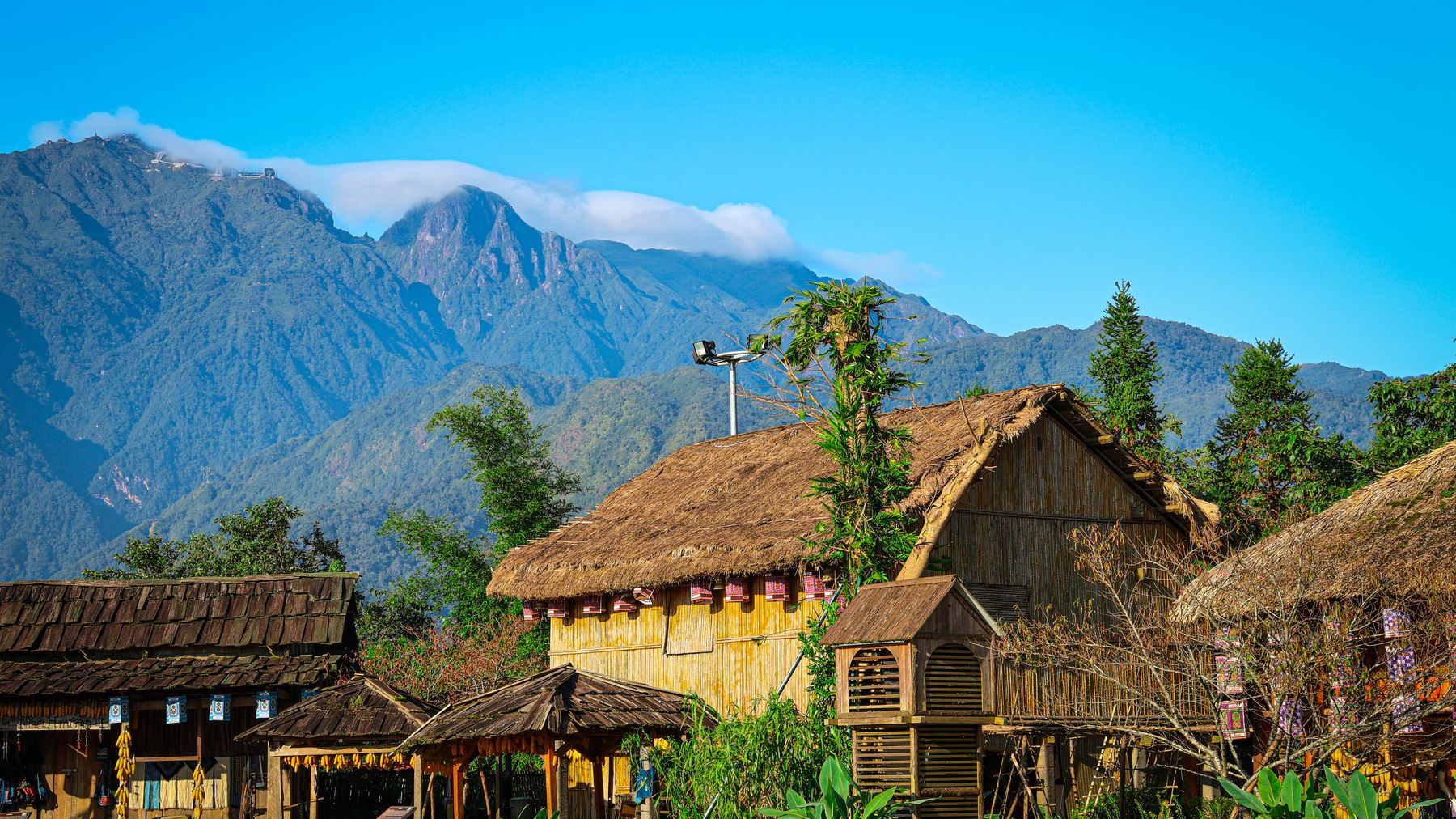
Photo by Haneul Trac on Pexels
Practical Tips Locals Would Tell You
- Bring your own water. There are no shops once you leave Son Dong town.
- Leech socks or tucked-in pants are essential May through September. Tobacco paste or salt deters them.
- Phone signal (Viettel) is patchy inside the forest and nonexistent on the ridgeline. Download offline maps before you go.
- The access road floods during heavy rain. Check weather before committing to the drive from Son Dong.
- Pack out all trash. There is no waste collection in the reserve.
Common Mistakes to Avoid
- Going as a day trip from Hanoi without an early start. You need to leave Hanoi by 5:00-5:30 AM to have meaningful time in the forest. Most people underestimate the last 20 km of rough road from Son Dong.
- Skipping the guide. The money saved isn't worth the risk of getting turned around on unmarked trails. Local guides also know which stream crossings are passable after rain.
- Expecting national park facilities. There are no restaurants, bathrooms, or marked emergency exits. This is a nature reserve, not Ba Vi or Tam Dao.
- Visiting only for the waterfall. The waterfall is fine, but the forest itself is the point. Slow down, look at the trees, listen. That's what you came for.
Practical Notes
Khe Ro is one of those places that rewards low expectations and decent preparation. It's not set up for tourism, which is exactly why the forest still feels like forest. Bring supplies, hire a guide, leave early, and you'll have one of the quieter days out you can manage within weekend range of Hanoi.
Last updated · May 29, 2026 · independently researched, never sponsored.