
What Vung Ro Is
Vung Ro Bay is a deep natural inlet tucked beneath Ca Pass (Deo Ca), roughly 30 km south of Tuy Hoa along the coast. The bay curves inward between steep forested ridges, creating water so sheltered it barely ripples on windy days. Following provincial boundary changes, it now falls within expanded Dak Lak province — though geographically and culturally it still feels like the Phu Yen coastline travelers have always known.
Historically, the bay served as a supply point during the war era, and you'll find a small memorial museum at the waterfront. But for most visitors, the draw is simpler: clear blue-green water, a handful of fishing boats, and almost no crowds.
Why Travelers Go
Vung Ro doesn't have the resort infrastructure of Da Nang or the backpacker scene of Phu Quoc. That's the point. People come here for:
- The water. Visibility is excellent from February through August. The bay's depth and shelter mean less sediment than open beaches nearby.
- Dai Lanh Pass views. The road over Deo Ca (National Highway 1 or the newer tunnel bypass) gives you one of the best coastal panoramas in central Vietnam. Vung Ro sits at the bottom.
- Fishing village atmosphere. Bai Mon and the small settlements around the bay still run on fishing schedules, not tourist ones.
- Snorkeling and boat trips. Local fishermen run informal boat trips to rocky outcrops and smaller coves inaccessible by road. Expect 200,000–400,000 VND per person depending on group size and duration.
If you're road-tripping between Nha Trang (냐짱 / 芽庄 / ニャチャン) and Hoi An, Vung Ro makes a worthwhile half-day or overnight stop rather than blasting through on the highway.
Best Time to Visit
March through August gives the calmest seas and clearest water. June and July are hot — midday temperatures push 35°C — but mornings are perfect for swimming.
September through December brings occasional heavy rain and rougher conditions in the bay. January and February can be cool and overcast, though the bay stays swimmable.
Avoid the weeks immediately after Tet if you want solitude. Domestic tourists from the highlands descend on every accessible beach during the holiday.
How to Get There
From the north (Hoi An / Hue / Da Nang)
Follow the coastal route on Highway 1 south past Quy Nhon and Tuy Hoa. From Tuy Hoa, it's about 30 km south to the bay turnoff. Total from Da Nang (다낭 / 岘港 / ダナン): roughly 450 km, a long day's ride or a comfortable two-day trip with a stop in Quy Nhon.
From the south (Nha Trang)
Vung Ro is approximately 100 km north of Nha Trang. By motorbike, take the old Deo Ca pass road for the views (allow 2.5–3 hours with stops) or the Deo Ca tunnel for speed (under 2 hours). The tunnel toll is around 52,000 VND for motorbikes.
From the highlands (Buon Ma Thuot / Dak Lak city center)
Head east on Highway 26 toward Tuy Hoa, then south along the coast. Distance from Buon Ma Thuot: around 200 km, roughly 4–5 hours depending on road conditions in the mountain sections.
Public transport
Long-distance buses between Nha Trang and Tuy Hoa pass the general area, but getting down to the bay itself requires a xe om (motorbike taxi) or pre-arranged pickup. There's no direct bus to the waterfront.
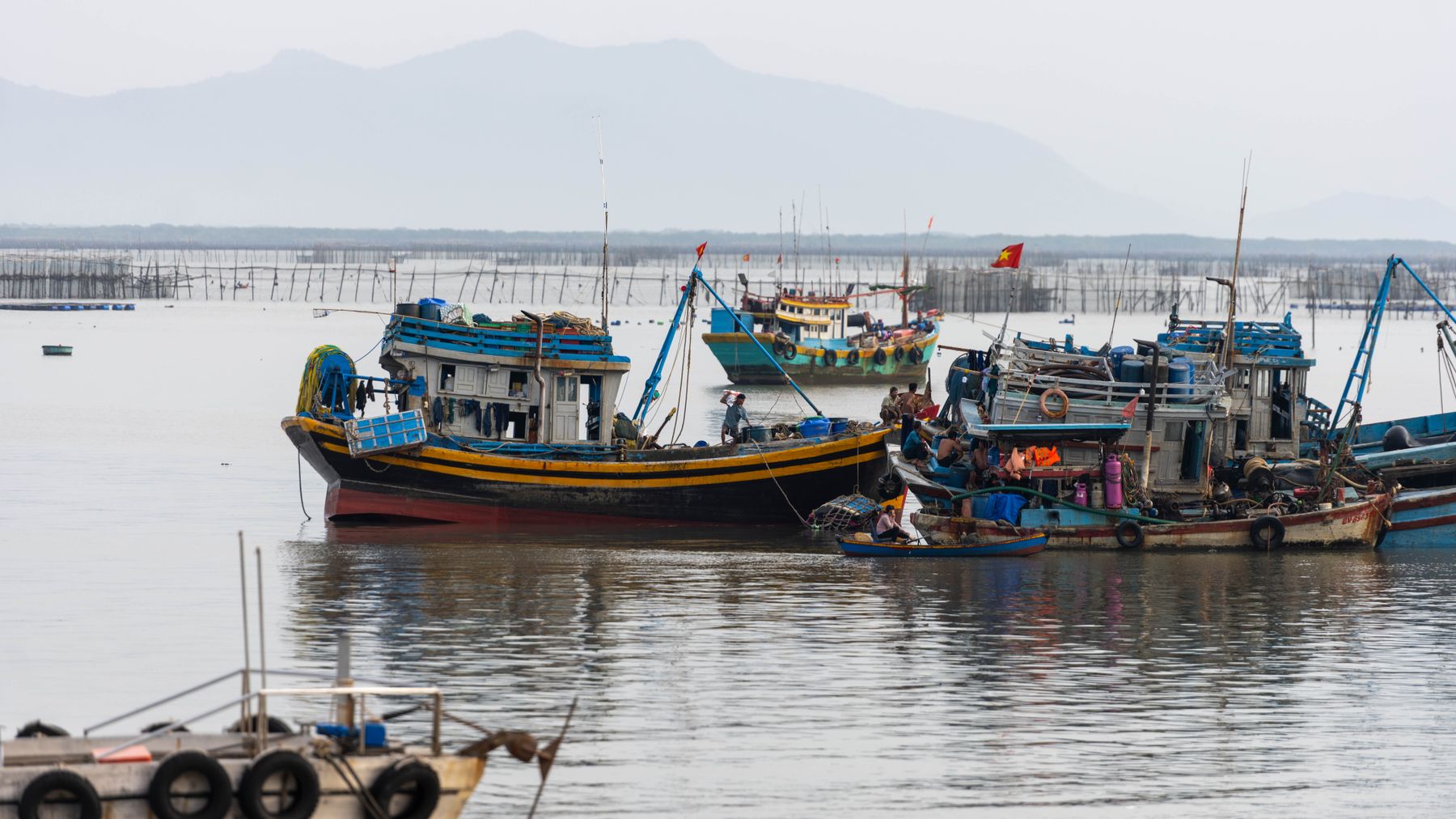
Photo by Quang Vuong on Pexels
What to Do
- Swim at Bai Mon. The main beach inside the bay has coarse sand and calm water. Arrive before 9 AM to have it mostly to yourself.
- Hire a boat. Ask at the fishing pier for a trip around the bay's rocky fingers. Some boatmen will take you to isolated coves for swimming. Negotiate before boarding — 300,000 VND for a two-hour loop is reasonable.
- Visit the Vung Ro memorial site. A small museum documents the bay's wartime role. Entry is free or minimal (20,000 VND). Worth 30 minutes if you're interested in history.
- Drive Deo Ca. The old pass road (not the tunnel) switchbacks up to around 400 meters with views over the bay and Dai Lanh peninsula. Best in early morning light.
- Snorkel. Bring your own gear — rental options are limited. The rocky areas on the bay's eastern edge have decent coral cover.
Where to Eat
Don't expect restaurant rows. Eating here revolves around seafood pulled from the bay that morning.
- Waterfront shacks near the pier serve grilled fish, steamed squid, and "oc" (snails) with tamarind sauce. A full seafood spread for two runs 250,000–400,000 VND.
- Banh canh stalls appear in the morning near the road junction — thick noodles in fish broth, 30,000–40,000 VND per bowl. Simple and satisfying.
- If you need variety, Tuy Hoa (30 km north) has proper restaurants, "com tam" spots, and decent "banh mi" carts along Tran Hung Dao street.
Where to Stay
Accommodation is limited. Options:
- Homestays around Bai Mon. Basic rooms with fans, shared bathrooms, 200,000–350,000 VND per night. Booking in advance is wise — these fill on weekends.
- Camping. Some travelers pitch tents on the beach. No formal campground exists, but locals generally don't mind if you're respectful and pack out trash.
- Tuy Hoa hotels. For air-con, hot water, and reliable WiFi, stay in Tuy Hoa and day-trip to the bay. Budget hotels run 300,000–500,000 VND; mid-range options with sea views exist along Tran Phu beach road.

Photo by Nguyễn Sơn Tùng on Pexels
Practical Tips
- Cash only. There are no ATMs at the bay. Withdraw in Tuy Hoa or Nha Trang before heading down.
- Fuel up. The last reliable petrol station is on Highway 1 before the turnoff. Don't count on finding fuel at the waterfront.
- Sun protection. Shade is scarce on the beach. Bring a hat and reef-safe sunscreen.
- Phone signal. Viettel works best in the bay area. Mobifone can be patchy near the water.
- Language. Very little English spoken. Basic Vietnamese phrases or a translation app will help with boat negotiations.
Common Mistakes
- Arriving without a plan to leave. If you don't have your own wheels, getting back to the highway for onward transport can mean a long wait. Arrange return transport in advance.
- Assuming resort-level facilities. There are no beach loungers, cocktail bars, or organized tours. That's the charm, but come prepared.
- Skipping the old pass for the tunnel. The tunnel saves time, but Deo Ca pass is half the reason to come this way. If you're not in a rush, take the scenic route at least one direction.
- Visiting only for an hour. The bay rewards a slow pace. An overnight lets you catch sunrise over the water, when fishing boats head out and the light turns gold on the cliffs.
Bottom Line
Vung Ro won't dazzle you with amenities or Instagram infrastructure. It's a working bay with clean water, cheap seafood, and mountain-meets-ocean geography that most travelers blast past on the highway. If you're moving between Nha Trang and points north, give it at least a half-day. You'll eat well, swim in peace, and remember what the Vietnamese coast felt like before the resorts showed up.
Last updated · May 29, 2026 · independently researched, never sponsored.







