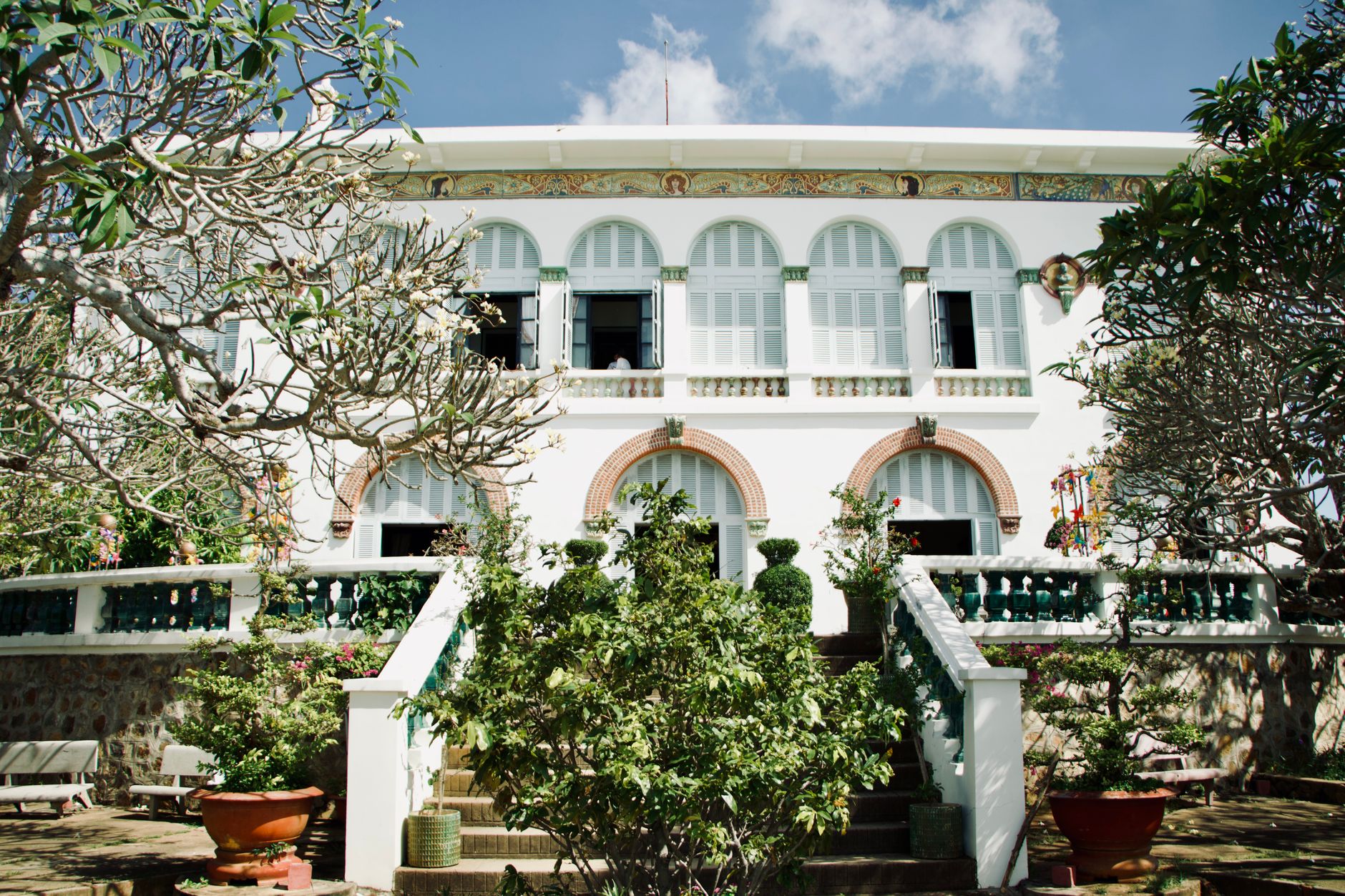
Hoi An is the kind of town that makes you quietly cancel your onward bus. What was supposed to be two nights becomes five, then a week, and by day ten you're on first-name terms with the woman who ladles your morning "cao lau" on Tran Phu. This is the most walkable, most photogenic, and arguably most delicious small town in Vietnam (베트남 / 越南 / ベトナム) — but it also has real tourist traps. Here's how to do it right on your first visit.
At a Glance — Hoi An Quick Reference
- Where: Central Vietnam, 30 km south of Da Nang, on the Thu Bon River
- Getting there: Fly into Da Nang (다낭 / 岘港 / ダナン) (DAD), then 40-minute taxi (around 350,000 VND / $14 USD by Grab) or public bus No. 1 (30,000 VND)
- Best months: February to May (dry, 25-33°C). September-November brings typhoon-season flooding
- Ancient Town ticket: 120,000 VND ($5 USD) — grants entry to 5 of 22 heritage sites
- Average meal cost: Street food 25,000-50,000 VND; sit-down restaurant 80,000-180,000 VND
- Stay duration: 3 nights minimum; 5 if you want tailoring done properly
- Language tip: "Xin chao" (hello) and "Cam on" (thank you) go further here than anywhere else in Vietnam
How to Navigate the Ancient Town (and What That Ticket Actually Gets You)
Hoi An's Ancient Town is a UNESCO World Heritage Site — a tight grid of 17th-to-19th-century merchant houses, assembly halls, and temples wedged between the Thu Bon River and Tran Phu street. It's roughly 1 km east to west, 500 m north to south. You can walk the whole thing in an hour, but you won't want to rush.
The Ticket System
At the main entrances (Tran Phu and Bach Dang sides), you'll see ticket booths. The 120,000 VND ticket is a punch card — five slots, each redeemable at one of the 22 designated heritage sites. The sites are grouped into categories:
- Assembly halls — Fujian (Phuc Kien), Cantonese (Quang Dong), Trieu Chau, and Hai Nam. The Fujian Assembly Hall on Tran Phu is the most ornate and most crowded.
- Old houses — Tan Ky House (101 Nguyen Thai Hoc) is the classic, with its blend of Japanese, Chinese, and Vietnamese architecture. Phung Hung House is quieter and has a better upstairs view.
- The Japanese Covered Bridge — The icon of Hoi An. Free to walk across, but entering the small temple inside costs one punch.
- Museums — Museum of Trade Ceramics, Museum of Sa Huynh Culture, Museum of Folk Culture. Honestly, they're modest. Pick one if you're curious.
- Communal houses and workshops — The handicraft workshop at 9 Nguyen Thai Hoc includes a short "ca tru" or folk-music performance at set times (10:15 AM and 3:15 PM most days).
What to Actually Use Your Five Punches On
My picks: Fujian Assembly Hall, Tan Ky House, the Japanese Covered Bridge temple, the Cantonese Assembly Hall, and the handicraft workshop. Skip the museums unless it's raining.
After 5 PM, ticket checks at most sites stop, and the Ancient Town transitions into evening mode — lanterns flicker on, pedestrian-only zones expand, and the riverside becomes a night market. No ticket needed to walk the streets at any hour.
Tailor Shops — Which Ones to Trust and How Not to Get Burned
Hoi An has over 400 tailor shops. Some produce genuinely beautiful bespoke clothing; others turn out shiny, poorly-lined suits that fall apart by your second wearing. The difference is knowing what to ask.
Shops With Consistent Reputations
- Yaly Couture (47 Nguyen Thai Hoc) — The most established name. Higher prices (suits from $120-200 USD, dresses from $60-100), but reliable construction and they'll fix problems before you leave town.
- A Dong Silk (40 Le Loi) — Strong on women's dresses and "ao dai". Mid-range pricing.
- Bao Khanh (101 Tran Hung Dao) — Smaller, family-run. Good for simple shirts and trousers. Suits from $80.
- Kimmy Custom Tailor (70 Tran Phu) — Popular with repeat visitors. Not flashy, but dependable.
How to Get a Good Result
- Bring a reference garment. Your best-fitting shirt or trousers give the tailor a real starting point, not just measurements.
- Choose fabric carefully. Feel the weight. If it's tissue-thin, it will look cheap when sewn. Linen and cotton-linen blends suit the climate and travel well. Silk wrinkles less than you'd think.
- Insist on two fittings minimum. This means you need at least 3 days in town. Order on Day 1, first fitting Day 2 (morning), final fitting Day 3. Overnight rush jobs are almost always disappointing.
- Check the lining, buttons, and buttonholes at the fitting — not just the outer fabric. Cheap plastic buttons on a $150 suit ruin the whole thing.
- Negotiate, but not to the bone. A fair price for a well-made men's two-piece suit is $100-180 USD. If someone quotes you $40, expect $40 quality.
One more thing: the street touts outside shops earn commission, which gets added to your price. Walk in yourself.

Photo by FOX ^.ᆽ.^= ∫ on Pexels
What to Eat — Cao Lau, Mi Quang, Banh Mi Phuong, and Beyond
Hoi An punches absurdly above its weight for a town of 120,000 people. Three dishes here are essentially impossible to find done properly anywhere else in the country.
Cao Lau
"Cao lau" is Hoi An's signature bowl — thick, chewy rice noodles (traditionally made with water from a specific well, the Ba Le Well on Phan Chu Trinh) tossed with slices of barbecued pork, pork cracklings, fresh herbs, and a small amount of broth. It's drier than "pho", chewier than "bun bo Hue", and unlike anything else in Vietnamese cuisine. The noodle texture is closer to Japanese udon than to standard rice noodles.
Where to eat it: Cao Lau Thanh (26 Thai Phien, 35,000 VND) is a no-frills local spot. Trung Bac (87 Tran Phu) is more tourist-facing but still solid. In both cases, order by saying "Cho toi mot bat cao lau" — one bowl of cao lau.
Mi Quang
"Mi quang" is actually Da Nang's signature dish, but it's everywhere in Hoi An too. Wide, turmeric-yellow rice noodles with pork, shrimp, quail eggs, peanuts, rice crackers, and a small ladleful of intensely flavored broth. It's eaten with plenty of herbs and a squeeze of lime. Mi Quang Ong Hai (6A Truong Minh Luong) does a faithful version for 30,000 VND.
Banh Mi Phuong
Anthony Bourdain called the "banh mi" at Banh Mi Phuong (2B Phan Chu Trinh) the best in the world. Whether or not you agree, it's a formidable sandwich — crispy baguette, pate, cold cuts, pickled daikon and carrot, chili, cilantro, and a smear of mayo. 30,000-40,000 VND depending on fillings. The line starts forming by 7 AM and wraps around the corner by noon. Go at 7:30 or after 3 PM to skip the worst of it.
Alternative: Banh Mi Madam Khanh (115 Tran Cao Van, often called "The Banh Mi Queen") is nearly as good and has shorter queues.
More Essential Eating
- "Com ga" (chicken rice): Hoi An's version uses turmeric rice and shredded chicken. Com Ga Ba Buoi (22 Phan Chu Trinh) has been serving it since the 1950s. 35,000 VND.
- "Banh xeo": The central Vietnamese version is smaller and crispier than the Saigon-style crepes. Banh Xeo Ba Le (45/51 Tran Hung Dao) cooks them over charcoal. 10,000-15,000 VND per piece.
- White rose dumplings ("banh bao banh vac"): Translucent shrimp dumplings unique to Hoi An. Only one family (the Tran family in Hai Chau) makes the wrappers for essentially every restaurant in town.
- "Che" — sweet dessert soups from the night market stalls on the island (An Hoi side of the river). 15,000-20,000 VND.
For "Vietnamese coffee", Morning Glory (106 Nguyen Thai Hoc) does a proper "ca phe sua da" and doubles as a serious restaurant. Rosie's Cafe (10 Nguyen Hue) is the backpacker go-to.
The Lantern Festival and Full Moon Nights
On the 14th day of each lunar month (the full moon), Hoi An's Ancient Town switches off electric lights and illuminates the streets with silk lanterns and candles. It's not a government-staged show — it grew organically from the town's Chinese-heritage lunar traditions. But it's now very much a planned event, and the town gets packed.
What Actually Happens
- 5:30-6:00 PM: Traffic barriers go up, and the Ancient Town becomes fully pedestrian.
- 6:30 PM onward: Lanterns are lit. Vendors sell paper lanterns with candles (10,000 VND) to float on the river.
- 7:00-9:00 PM: Traditional music performances pop up near the Japanese Bridge and along Bach Dang. You may catch "water puppetry" or "cai luong" (reformed opera) performances on small stages.
- The river fills with floating candle offerings. It's genuinely atmospheric, even with the crowds.
Practical Notes
- Check the lunar calendar before booking — full-moon nights in 2025 fall roughly on: Feb 12, Mar 14, Apr 12, May 12, Jun 10, Jul 10, Aug 9, Sep 7, Oct 6, Nov 5, Dec 4. Dates shift by a day depending on the lunar calculation.
- Hotels raise rates 20-40% on full-moon weekends. Book a week out.
- If you miss the official night, the 1st and 15th of each lunar month both have smaller lantern events. Or just show up any evening — the lanterns are lit nightly, just not as dramatically.
- The night market on An Hoi Island runs every evening, not just full moons. Silk lanterns, local snacks, cheap beer ("bia hoi" for 10,000-15,000 VND a glass).
An Bang Beach vs. Cua Dai — Where to Swim
Hoi An sits on a river, not the ocean. The beaches are 4-5 km east of the Ancient Town — an easy 15-minute bicycle ride.
An Bang Beach
An Bang is the better beach right now. It has a long, wide stretch of sand, consistent waves (not big enough to surf, but enough to body-surf), and a row of beach bars and restaurants with loungers. A day bed at Soul Kitchen or Shore Club runs 100,000-200,000 VND, usually waived if you order food and drinks.
The water is warm from April to September. October to February brings cooler temps and occasional rough surf from northeast winds. Jellyfish show up sporadically in June-July.
Cua Dai Beach
Cua Dai was Hoi An's original beach. Erosion has hit it hard over the past decade — in some stretches, the sand is almost gone and concrete sea walls have been installed. It's not unswimmable, but it's a shadow of what it was. The resorts at Cua Dai (Victoria Hoi An, for example) maintain their own beach sections, which are in better shape.
Verdict: Ride to An Bang. Rent a bicycle from your hotel (20,000-30,000 VND/day) or take a Grab bike (around 25,000 VND one way).

Photo by Võ Văn Tiến on Pexels
Cam Thanh Coconut Village and the Basket Boats
Three kilometers east of the Ancient Town, the Cam Thanh water coconut village sits in a network of canals lined with "nipa palms" (water coconut palms). This is where the basket boat experience happens — those round, woven bamboo boats called "thung chai" that locals originally used for fishing.
What You're Actually Signing Up For
A typical basket boat tour lasts 30-45 minutes. A local rower paddles you through the palm-lined canals, usually demonstrates the spinning trick (rotating the boat in circles), and may teach you basic "goi cuon" (fresh spring roll) rolling at a riverside station. Many tours include a short introduction to crab fishing in the shallows.
Booking and Prices
- Through your hotel: 150,000-250,000 VND per person, including transport and the boat ride.
- Walking in directly at Cam Thanh: Negotiate at the dock. 100,000-150,000 VND per person is fair. Mornings (7-9 AM) are quieter and cooler.
- Via a tour operator bundling My Son + basket boats: Common as a full-day package. Around 600,000-900,000 VND ($25-37 USD).
Tip your rower — 50,000-100,000 VND is appreciated. These aren't high-earning tourism jobs.
Day Trips — My Son Sanctuary and the Marble Mountains
Hoi An is a strong base for two of central Vietnam's most significant heritage sites.
My Son Sanctuary
"My Son" is a complex of Cham Hindu temples dating from the 4th to 13th centuries, about 40 km southwest of Hoi An (roughly 1 hour by car). It's a UNESCO World Heritage Site and the most important Cham ruins in Vietnam — think of it as Vietnam's answer to Angkor, though much smaller and more forested.
What to expect:
- The site opens at 6:30 AM. Go early — by 10 AM, tour buses fill the parking lot and the heat is serious.
- Entry: 150,000 VND ($6 USD).
- A traditional Cham dance performance runs at 9:00 AM and 10:15 AM inside the site.
- Many temples were damaged by American bombing during the war. Group B and C temples are the best preserved; Group A was largely destroyed. Signage is decent but a guide helps with context.
- Budget 2-2.5 hours on site.
Getting there:
- Motorbike: Rent for 120,000-150,000 VND/day and ride the scenic route through rice paddies. The road is good.
- Organized tour: 200,000-350,000 VND per person by minibus. Many combine the return trip with a boat ride down the Thu Bon River back to Hoi An (recommended — the river stretch is beautiful).
- Grab/taxi: Around 500,000-600,000 VND round trip with a 2-hour wait.
Marble Mountains (Ngu Hanh Son)
Five limestone and marble hills, 20 km north of Hoi An (30 minutes by road, on the way to Da Nang). The main summit, Thuy Son, has pagodas, caves, and viewpoints. It's a solid half-day trip.
- Entry to Thuy Son: 40,000 VND. Elevator to the upper level: 15,000 VND (worth it if your knees protest stairs).
- The cave temples — Huyen Khong Cave especially — are dramatic: sunlight shafts through ceiling holes into incense-filled caverns with Buddha statues.
- At the base, a village of marble-carving workshops sells everything from small figurines (100,000 VND) to life-sized statues. Shipping is available.
- Combine with a stop at Da Nang if you want to see the Dragon Bridge (fire-breathing on Saturday and Sunday nights at 9 PM) or eat a bowl of "bun cha" at a local com binh dan.
Where to Stay — Neighborhoods and Price Ranges
Hoi An's accommodation scene splits into three zones:
- Ancient Town (inside the pedestrian zone): Atmospheric, walkable to everything, but noisy on full-moon nights and weekends. Boutique hotels and homestays from $25-80/night. Try An Hoi Hotel or Hoi An Chic.
- Cam Chau / Cam An (between town and the beach): The rice-paddy-and-pool zone. This is where the mid-range resorts and villa-style hotels cluster. $40-150/night. Good if you want quiet plus a 10-minute bike ride to both town and beach.
- An Bang Beach area: Wake up, walk to the sand. More limited dining options at night, but peaceful. $30-100/night for guesthouses; $150+ for the boutique resorts.
During the Mid-Autumn Festival (usually September or October) and Tet (January or February), prices spike and availability drops. Book 2-3 weeks ahead for those periods.

Photo by Võ Văn Tiến on Pexels
Getting Around and Practical Tips
- Bicycle is king here. Flat terrain, short distances, and most hotels lend or rent bikes for 20,000-30,000 VND/day. Electric bikes are available too (80,000-100,000 VND/day).
- Motorbike rental: 120,000-150,000 VND/day. Useful for My Son or Marble Mountains. An international driving permit is technically required.
- Grab works in Hoi An but with fewer drivers than Hanoi or Saigon. From Da Nang airport, pre-book or use the Grab app immediately on landing.
- Flooding: Hoi An floods regularly in October-November. The Ancient Town's ground floors can go under 30-60 cm of water. Locals handle it with practiced calm — they raise their goods, put on rubber boots, and keep serving "com tam" from the second floor. But if you're visiting in typhoon season, keep your passport and electronics in dry bags and book upper-floor rooms.
- ATMs: Several on Tran Hung Dao and Hai Ba Trung. Vietcombank and BIDV machines accept most international cards. Withdraw in multiples of 500,000 VND to avoid the machines spitting out small bills. Withdrawal fee is typically 22,000-55,000 VND per transaction.
- SIM card: Buy a Viettel or Mobifone tourist SIM at Da Nang airport (100,000-150,000 VND for 30 days of data). Works well throughout Hoi An.
Beyond Hoi An — Connections North and South
Hoi An connects easily to the rest of central Vietnam. Da Nang is a 30-minute drive and has direct flights to Hanoi, Saigon, Da Lat, and Phu Quoc. The train station in Da Nang runs the Reunification Express north to Hue (2.5 hours, from 65,000 VND for a hard seat) and south to Ninh Binh and beyond.
From Hoi An, popular onward routes include:
- Hue: 3-4 hours by bus via the Hai Van Pass (or take the bus over the tunnel and miss the views). The pass itself is one of Vietnam's great motorcycle rides.
- Phong Nha: Overnight bus or train to Dong Hoi, then local transport to the caves.
- Hoi An to Hanoi sleeper bus: 16-18 hours. Not glamorous, but cheap (around 350,000-450,000 VND).
For island time, Cu Lao Cham is a marine reserve 18 km offshore — speedboats leave from Cua Dai port (around 400,000 VND round trip, 20 minutes). Snorkeling, seafood lunch, and a quieter beach. Best from March to August when seas are calm.
Bottom Line
Hoi An earns its reputation — but not because it's a museum piece frozen in time. It's a living town where people still fish the Thu Bon, still make cao lau noodles with well water, and still cut fabric in family-run shops. The key to a good first visit is staying long enough (three nights minimum), eating outside the tourist-menu restaurants, and going early in the morning before the tour groups arrive. Walk the Ancient Town at 6 AM with a "ca phe sua da" in hand, and you'll understand why people keep coming back.
Last updated · May 29, 2026 · independently researched, never sponsored.