What Mui Nghe is and why it matters
Mui Nghe is the easternmost point of Son Tra Peninsula, a narrow rocky cape jutting into the East Sea about 10 km northeast of central Da Nang. The name translates roughly to "Rhinoceros Cape" — a nod to the shape of the headland when seen from the water. There's a small lighthouse here, built during the French colonial period and still operational, along with a cluster of boulders, tide pools, and a concrete platform where local fishermen cast lines at dawn.
This isn't a manicured tourist attraction. There's no ticket booth, no gift shop, no roped-off viewing deck. It's a raw piece of coastline that most visitors to Da Nang (다낭 / 岘港 / ダナン) drive right past on their way to the Linh Ung Pagoda or the Lady Buddha statue higher up on Son Tra. That's precisely what makes it worth a stop.
A quick note for trip planning: Da Nang recently merged administratively with the former Quang Nam province, so you may see references to "Da Nang (sap nhap Quang Nam)" on Vietnamese maps and documents. For travelers, nothing changes on the ground — Mui Nghe is in the same place it's always been, on Son Tra Peninsula.
Why travelers go
Mui Nghe draws a specific kind of visitor: people who want to sit on rocks and watch the sea without a soundtrack of tour-group megaphones. The cape faces east, so sunrise here is direct and unobstructed. Photographers come for the light hitting the boulders at low angles. Snorkelers occasionally explore the shallow reef on calm days between April and August. A handful of fishing enthusiasts show up before 5 AM for squid and small reef fish.
It's also a natural midpoint if you're doing the Son Tra Peninsula loop by motorbike — a ride that ranks among the best coastal drives in central Vietnam, winding past Da Nang's beaches, through forest, and along cliff edges with views toward Hai Van Pass to the north.
Best time to visit
The dry season runs from March through August, and that's when Mui Nghe is at its most accessible. April to June offers the calmest seas, warmest mornings, and least rain. July and August stay dry but get hotter — expect 35°C-plus by mid-morning.
Avoid October through December if you can. The northeast monsoon pushes heavy swells against the cape, and the access road can be slick. January and February are cooler (20-24°C) and occasionally foggy, which has its own appeal if you don't mind overcast skies.
For sunrise, arrive by 5:15 AM in summer or 5:45 AM in winter. The cape faces due east, so you get the full arc of the sun clearing the horizon.
How to get there
From central Da Nang (around the Han River bridges area), Mui Nghe is about 12 km by road. The route follows Nguyen Van Thoai street northeast toward Tho Quang, then climbs into Son Tra Peninsula on the coastal road.
By motorbike: The most common option. Rental bikes in Da Nang cost 120,000-180,000 VND per day for a Honda Wave or Vision. The ride takes about 25 minutes from the Dragon Bridge area. The road is paved the entire way, though the final 2 km narrows and has some loose gravel patches — go slow, especially after rain.
By Grab/taxi: A Grab car from the city center runs about 80,000-120,000 VND one way. Ask the driver to wait — you won't find a return ride at the cape itself. Agree on a waiting fee beforehand, typically 50,000-70,000 VND per half hour.
By bicycle: Possible but demanding. The climb into Son Tra involves a few steep sections. Only attempt it if you're comfortable with hill riding and carry enough water.
Note: Son Tra Peninsula has a checkpoint system. Motorbikes under 175cc are allowed through. Cars sometimes face restrictions during peak periods or bad weather. Check with your hotel the morning of your visit.
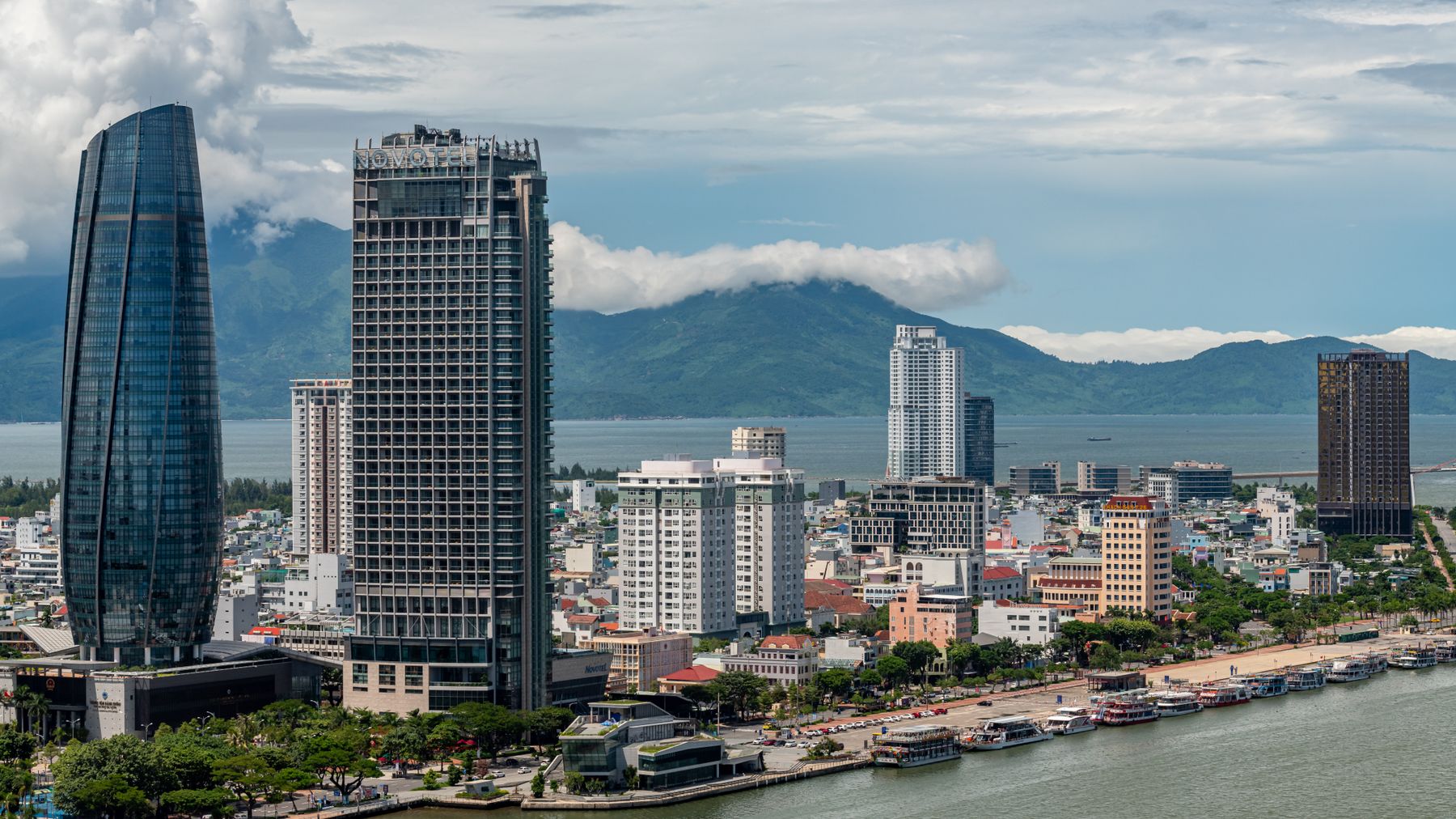
Photo by Kirandeep Singh Walia on Pexels
What to do at Mui Nghe
Walk the rocks at low tide
The boulder field at the cape's tip is exposed at low tide, revealing shallow pools with sea urchins, small crabs, and the occasional starfish. Wear shoes with grip — the rocks are slippery with algae. Low tide times shift daily; check a tide chart app before you go.
Watch the fishing
Local fishermen work the rocks here most mornings, using long rods and hand lines. They're generally friendly if you keep a respectful distance. If your Vietnamese extends beyond "xin chao," ask what's biting — it's a good conversation starter.
Photograph the lighthouse
The small French-era lighthouse is photogenic in a weathered, functional way. It's not open to visitors, but the surrounding area offers good angles, especially at sunrise when the light warms the concrete.
Combine it with the Son Tra loop
Don't come just for Mui Nghe — fold it into a half-day Son Tra Peninsula circuit. Start at Mui Nghe for sunrise, then ride up to Ban Co Peak (the chess board peak, 696 meters) for mountain views, stop at Linh Ung Pagoda, and descend along the western coastal road back into town. The full loop is about 30 km and takes 2-3 hours with stops.
Snorkel on calm days
Between April and June, the water off the southern side of the cape is clear enough for basic snorkeling. Bring your own gear — there's nothing to rent out here. Stick close to shore and watch for currents around the point.
Where to eat nearby
Mui Nghe itself has no restaurants. Your nearest options are back toward Tho Quang fishing village, about 4 km west.
Tho Quang is where Da Nang's fishing boats dock, and the seafood here is as fresh as it gets. Look for the cluster of open-air restaurants along Tho Quang port — grilled "mi quang" with shrimp, or a bowl of "bun cha ca" (fish cake noodle soup, a Da Nang specialty) will run you 35,000-50,000 VND. If you want something more substantial, order a plate of grilled squid straight off the boat — prices vary by catch but expect around 150,000-250,000 VND per plate.
Back in central Da Nang, "banh xeo" — the crispy turmeric crepes — are worth seeking out at Ba Duong on Hoang Dieu street.
Where to stay
Mui Nghe has no accommodation. Stay in Da Nang proper and make it a morning trip.
- Budget: Guesthouses and hostels near My Khe Beach run 200,000-400,000 VND per night.
- Mid-range: Hotels along Vo Nguyen Giap street (the beachfront road) go for 600,000-1,200,000 VND, many with sea views.
- Upscale: The InterContinental Sun Peninsula and similar resorts sit on Son Tra Peninsula itself, starting around 4,000,000 VND per night.
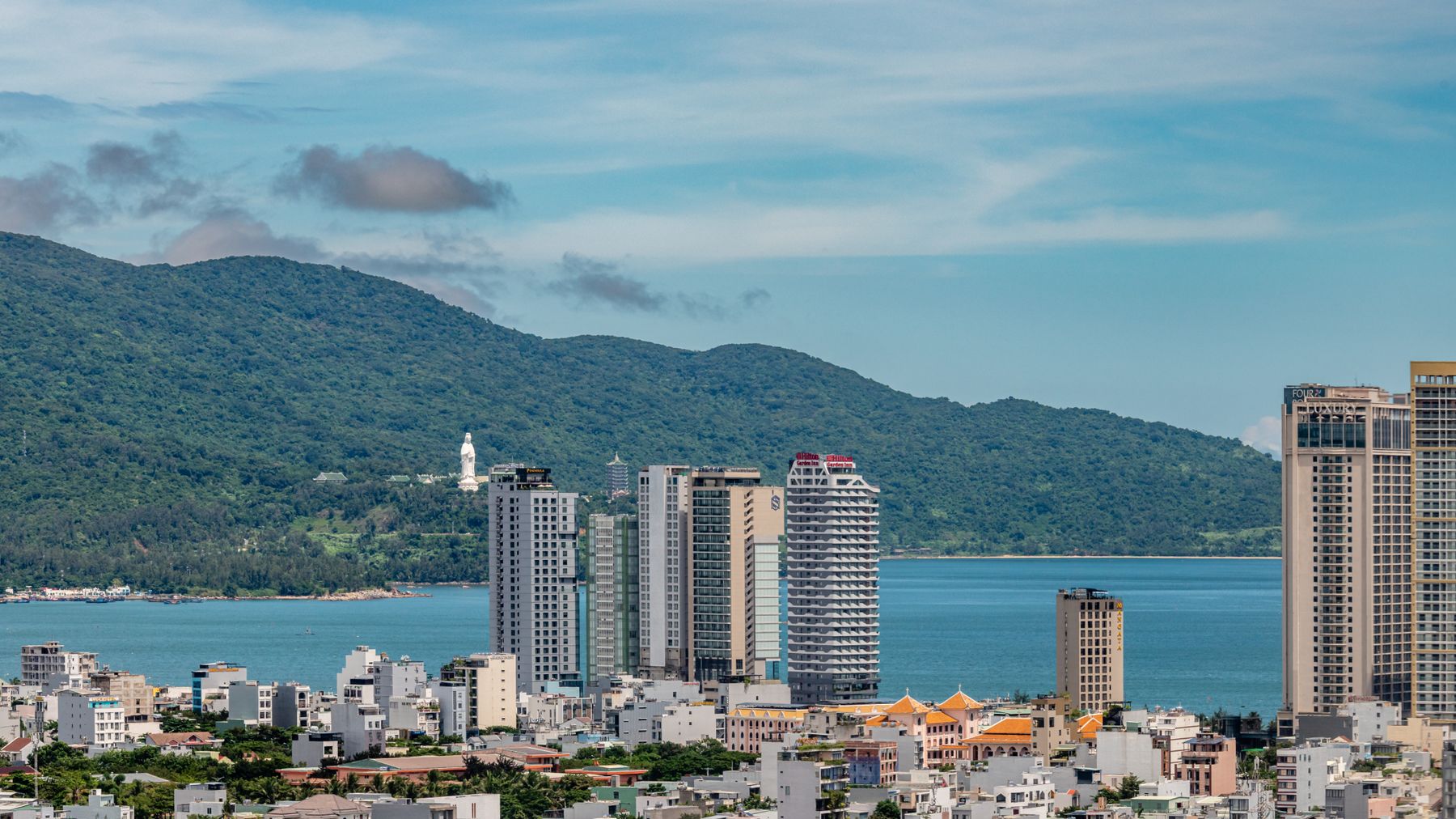
Photo by Kirandeep Singh Walia on Pexels
Practical tips locals would tell you
- Bring water and a hat. There's zero shade at the cape.
- A headlamp helps if you're arriving pre-dawn. The final stretch of path has no lighting.
- Phone signal is patchy at the tip. Download offline maps before you go.
- The monkeys on Son Tra Peninsula are bold. Don't leave food or bags unattended on your motorbike.
- Carry your trash out. There are no bins at Mui Nghe.
Common mistakes to avoid
- Going at midday. The cape is fully exposed — no trees, no shade structures. By 10 AM in summer, the rocks radiate heat and the light is flat and harsh.
- Wearing flip-flops on the boulders. The algae-covered rocks are genuinely dangerous when wet. Closed-toe shoes with tread are non-negotiable.
- Driving Son Tra at night without experience. The road is unlit in sections and has sharp turns. If you're not confident on a motorbike, stick to daylight hours.
- Expecting a developed site. There are no toilets, no vendors, no benches. If that sounds unappealing, this isn't the stop for you.
Practical notes
Mui Nghe works best as a sunrise stop on a longer Son Tra Peninsula morning. Budget 45 minutes to an hour at the cape, then continue the loop. Pair it with a seafood breakfast in Tho Quang and you've got one of the better mornings available in Da Nang — no entrance fees, no queues, just rocks and water and light.
Last updated · May 26, 2026 · independently researched, never sponsored.