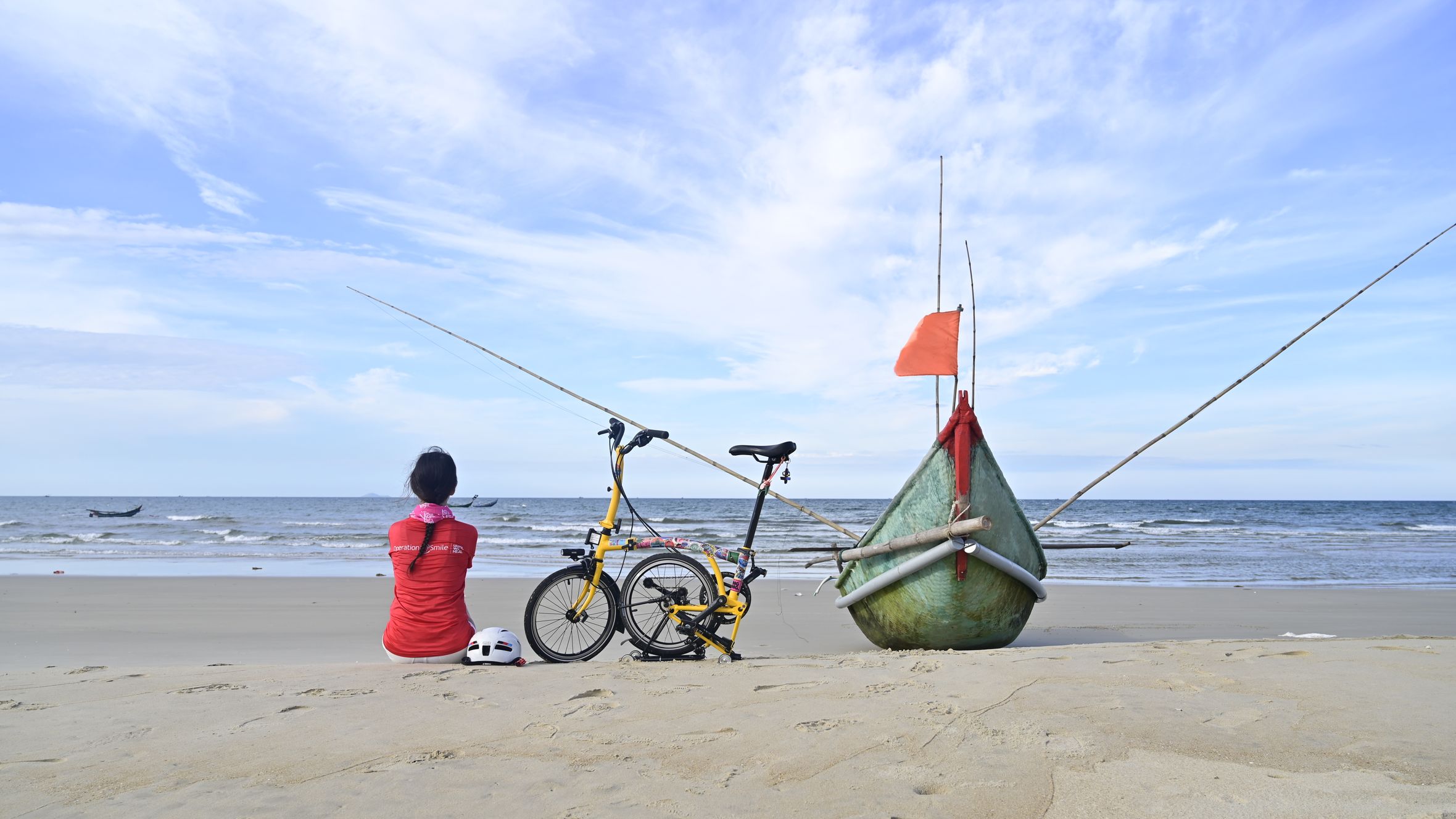
Quang Ngai doesn't appear on most Southeast Asia bucket lists, and that's the point. The province sits on Vietnam (베트남 / 越南 / ベトナム)'s central coast between the busier draws of Da Nang and the beaches of Phu Quoc, which means you'll have beaches, temples, and countryside mostly to yourself. Most travelers use it as a transit stop on Highway 1—a mistake.
Top sights and what's worth your time
The big anchor here is Sa Ky Beach, about 15 km south of Quang Ngai city. It's a working fishing beach with a morning market and squid-drying racks that create an oddly photogenic jumble along the shore. There's no resort sprawl, no jet skis. Fishermen still haul in their nets, and a handful of beach restaurants serve ultra-fresh seafood—grilled squid, crab, and snapper—for 40,000–80,000 VND a plate. Go early, eat at a plastic table, and watch the activity. By afternoon it quiets down.
Mo Duc Market (Cho Mo Duc), about 40 km north, is a worthwhile day trip if you're curious about how rural commerce actually works. It's a proper wet market—not a tourist attraction, not sanitized—where farmers sell herbs, vegetables, and livestock. The atmosphere is chaotic and authentic. Market days are busiest in the early morning.
For a cultural experience, Kha Pagoda (Chua Kha) sits on a hillside overlooking rice paddies about 20 km west of the city center. It's a small, working temple with a handful of monks. The views toward the coastal plains are quiet. There's no entrance fee. Hire a motorbike taxi (xe om) from the city—should cost around 150,000–200,000 VND for a round trip with waiting time.
Hidden gems: pottery and beaches
Bat Trang ceramic tradition has a smaller, less-visited cousin here. Thanh Ha Pottery Village (Lang Gom Thanh Ha), about 12 km southwest, produces terracotta pots, tiles, and everyday ceramics the old way—hand-thrown, wood-fired. A few workshops still let visitors watch or try the wheel. Prices are dirt cheap (5,000–30,000 VND for small pieces), and there's zero pressure to buy. This is what Bat Trang was like 20 years ago.
Binh Chau Beach, further south beyond Sa Ky, is even emptier. It's a rocky, wind-swept stretch popular with locals on weekends but nearly abandoned on weekdays. The water is rougher than Sa Ky, but if you want a beach with no infrastructure, this is it.

Photo by Quang Nguyen Vinh on Pexels
Outdoor activities and day trips
Island visits: Ly Son Island (Dao Ly Son) lies about 15 km offshore and is reachable by daily ferry (around 40,000 VND, 45 minutes). The island has a handful of beaches, a cave temple, and a small fishing community. A few basic guesthouses exist if you want to stay overnight, but most tourists day-trip from the mainland. Bring cash—ATMs are unreliable. The journey itself is the main event; the island is quiet and underdeveloped.
Motorbike loops: Rent a motorbike (100,000–150,000 VND/day) and ride south along the coast toward Binh Son district. You'll pass salt farms, fishing villages, and empty stretches of Highway 1. Stop at roadside food stalls for "banh mi" or grilled meat on skewers. The roads are decent, traffic is light compared to the north, and you'll see almost no foreigners.
Hiking and nature: The hills around Phuoc Duc district (about 50 km inland) are less visited than those around Da Lat or Sapa, with quiet trails through forest and a few waterfalls. There's no formal tourism infrastructure, so you'll need a local guide (ask at your hotel or contact a Quang Ngai tourism office—they're modest but functional).
Cultural experiences without the tour-group feel
Visit the Quang Ngai Ceramics Museum (Bao Tang Gom Quang Ngai) in the city center if you want context for what you see in Thanh Ha village. It's small, rarely crowded, and staffed by locals who actually know the crafts. Entry is around 20,000 VND.
Attend a fish auction at Sa Ky early morning (before 6 a.m.) if you can arrange it. It's not a tourist spectacle—fishermen are selling their night's catch to wholesalers. You'll see the commercial reality of coastal life, watch rapid-fire negotiations, and then retire to a beachside stall for breakfast. It's chaotic, real, and memorable.
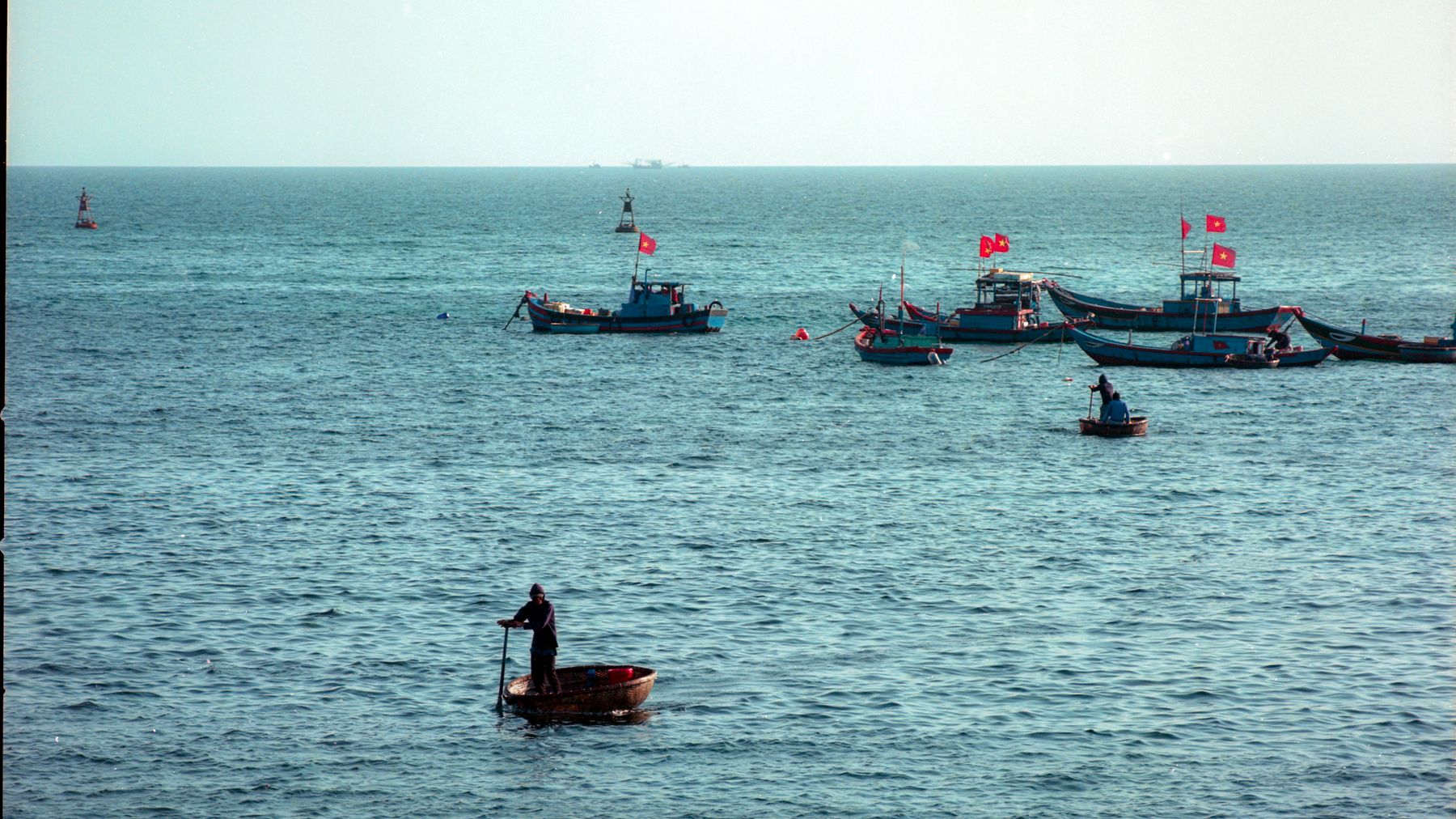
Photo by Q. Hưng Phạm on Pexels
What to skip
Don't spend half a day in Quang Ngai city center expecting colonial architecture or a vibrant riverside scene. The city is functional and pleasant enough, but there's little of the charm you'd find in Hoi An (호이안 / 会安 / ホイアン) or Hue. One morning wandering the market and old streets is enough.
Unless you're specifically interested in war history, skip the extensive tour-bus circuit marketed by some hotels. Quang Ngai has significant war-era sites, but they're heavy subjects best explored with a local historian, not as a side attraction between beach visits.
Frequently Asked Questions
How do you get to Ly Son Island from Quang Ngai?
Ly Son Island lies about 15 km offshore from Quang Ngai. Daily ferries depart from the mainland and cost around 40,000 VND per person, with a crossing time of roughly 45 minutes. Most travelers visit as a day trip since the island has limited infrastructure, though basic guesthouses are available for overnight stays. Bring cash — ATMs on the island are unreliable.
What does fresh seafood cost at Sa Ky Beach?
Sa Ky Beach, about 15 km south of Quang Ngai city, has a handful of beach restaurants serving grilled squid, crab, and snapper caught the same morning. Plates run 40,000–80,000 VND. The beach operates as a working fishing harbor, so the food is genuinely fresh rather than tourist-facing. Go early to see the morning market and fishermen hauling nets; the beach quiets down by afternoon.
When is the best time to visit Mo Duc Market in Quang Ngai?
Mo Duc Market (Cho Mo Duc), about 40 km north of Quang Ngai city, is busiest in the early morning. That is when farmers sell fresh herbs, vegetables, and livestock, and the atmosphere is at its most active. It is a working wet market, not a staged attraction, so an early arrival gives you the most authentic experience before vendors start packing up and the crowds thin out.
Practical notes
Quang Ngai is on the main north-south bus route and has decent connections to Da Nang (3 hours) and Saigon (10 hours). Buses stop at the central station; most hotels are within walking distance or a short xe om ride. The best time to visit is September–April; May–August is hot and the rainy season can make roads rough. Most locals speak limited English, so a translator app and patience help. Accommodation is basic but clean (guesthouses 150,000–300,000 VND/night); Airbnb coverage is thin.
Last updated · May 29, 2026 · independently researched, never sponsored.





