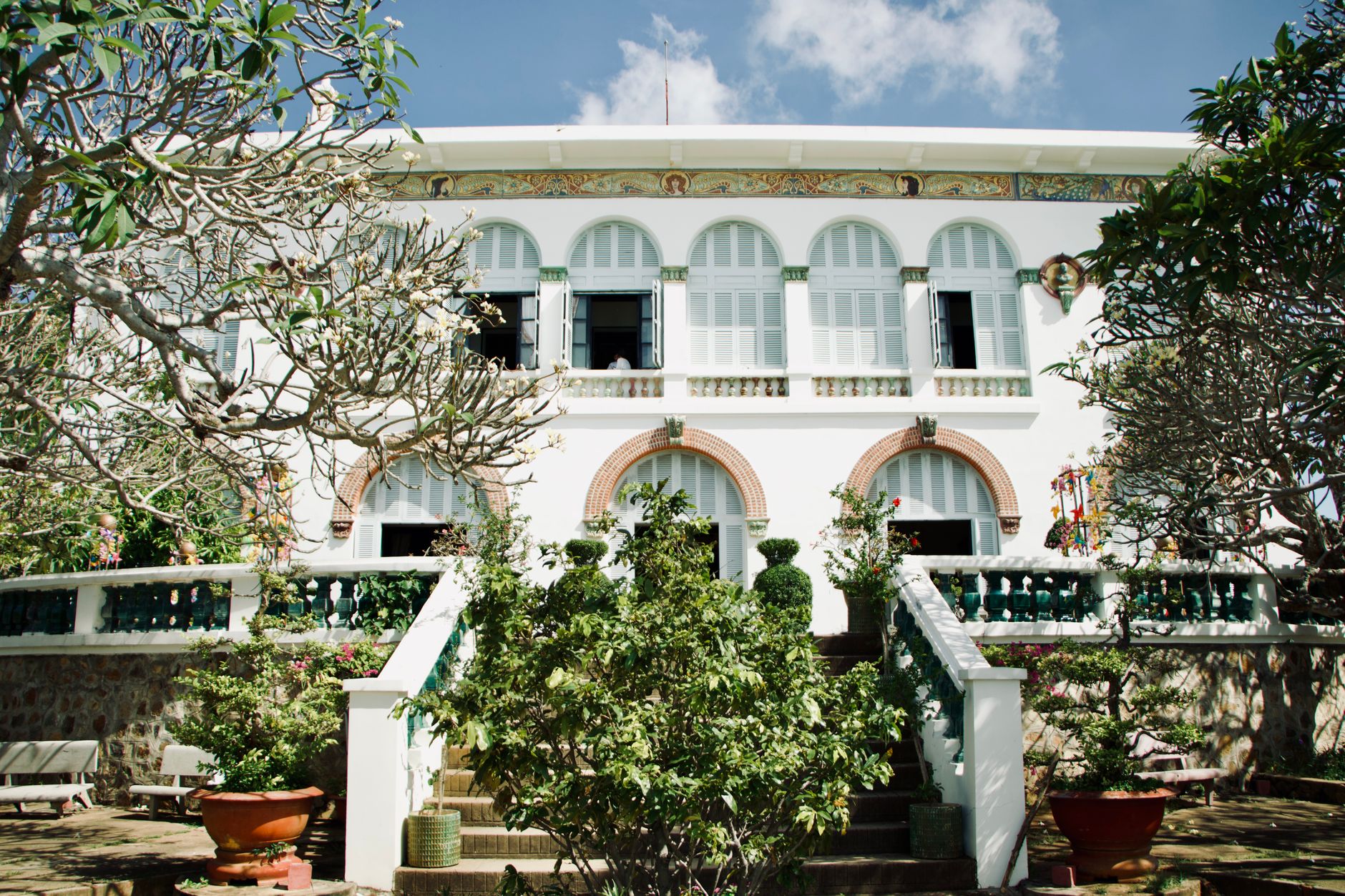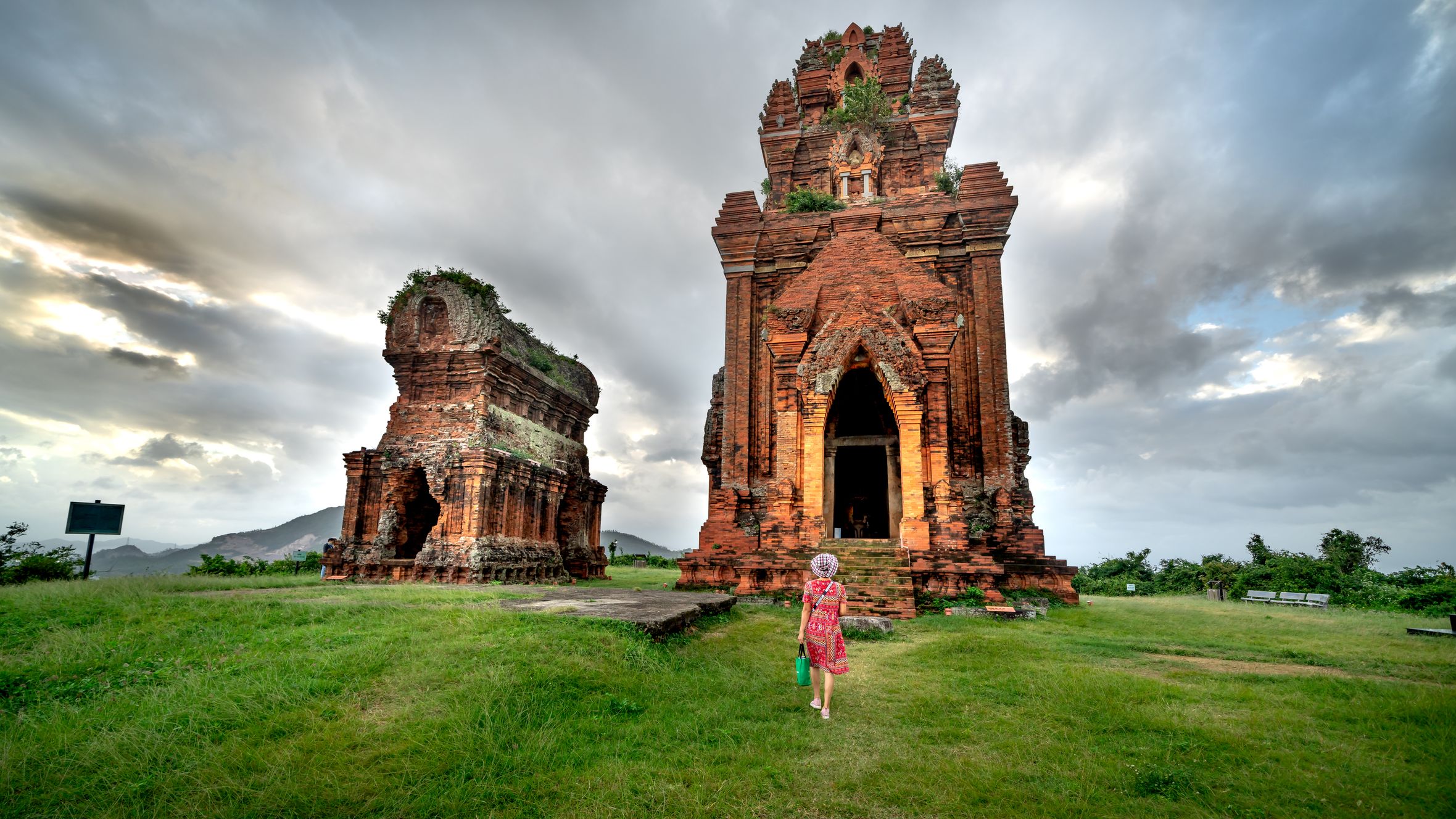
Tu Cam Thanh — the Purple Forbidden City — sits at the core of Hue's Imperial Citadel, and it's the part most visitors walk through without fully understanding what they're looking at. This is where the Nguyen Dynasty emperors actually lived, held court, and ran the country for over a century. Here's how to visit it properly.
What it is and why it matters
Tu Cam Thanh is a walled enclosure within the larger Imperial Citadel of Hue (후에 / 顺化 / フエ), which itself sits inside the outer Kinh Thanh fortress walls. Think of it as a city within a city within a city. Built starting in 1804 under Emperor Gia Long and expanded by Emperor Minh Mang, the Purple Forbidden City was the emperor's private domain — his residences, his concubines' quarters, his gardens, and the throne room where he received officials.
The name mirrors Beijing's Forbidden City deliberately. The Nguyen rulers modeled their capital on Chinese imperial architecture but adapted it to Vietnamese geography and aesthetics. At its peak, Tu Cam Thanh contained dozens of palaces, pavilions, temples, and gardens. Most were destroyed during the 1968 Tet Offensive and decades of neglect. What remains is a mix of restored structures and atmospheric ruins — stone foundations, mossy staircases leading nowhere, and a handful of rebuilt halls that give you a sense of the original scale.
UNESCO listed the Complex of Hue Monuments as a World Heritage Site in 1993, and restoration work has been ongoing since. You'll see scaffolding on some buildings, which is actually a good sign.
This isn't a single building you photograph and leave. Tu Cam Thanh rewards slow exploration. The combination of restored throne halls, crumbling ruins, lotus ponds, and surprisingly quiet courtyards makes it one of the more atmospheric historical sites in Vietnam (베트남 / 越南 / ベトナム). It's also the anchor of any Hue visit — you can't understand the city's identity without walking through here.
Best time to visit
Hue gets rain. A lot of it. The driest and most comfortable months are February through April, when temperatures hover around 25-30°C and rainfall drops off. May through August is hot (often 35°C+), and September through January brings the monsoon — November is the wettest month, and flooding isn't uncommon.
If you visit during Tet / 越南春节 / テト), the citadel hosts traditional performances and flower displays, which adds another layer. For daily visits, arrive before 8:30 AM. By 10 AM, tour buses from Da Nang start unloading, and the main courtyards fill up. Late afternoon (after 3:30 PM) also works, with softer light and thinner crowds.
If you're coming from Da Nang (the nearest major hub), you have a few options:
- Train: Hue station is about 2.5 km from the citadel. The Da Nang–Hue train takes around 2.5-3 hours and costs 60,000-120,000 VND depending on seat class. The route follows the coast past Lang Co and over Hai Van Pass — one of the better rail journeys in Vietnam. - Grab car / private transfer: About 2-2.5 hours via the Hai Van Tunnel, 500,000-700,000 VND. - Motorbike: Riding over Hai Van Pass yourself is the classic route. Allow 3-4 hours with stops. Not recommended in heavy rain.
Once in Hue, the citadel is on the north bank of the Perfume River. From most hotels in the tourist area, it's a 10-15 minute walk or a 15,000-20,000 VND Grab bike ride. Enter through the main Ngo Mon Gate (south side) — that's also where you buy tickets.
Ticket price: 200,000 VND for adults (as of 2024). This covers the entire Imperial Citadel complex, including Tu Cam Thanh. Keep your ticket — staff check it at multiple internal gates.

Photo by Thi Đoàn on Pexels
What to do inside
Walk the Ngo Mon Gate and Thai Hoa Palace
Ngo Mon is the ceremonial southern entrance — five doorways, the center one reserved for the emperor. Climb to the upper pavilion (Ngu Phung) for a view across the main courtyard. Directly ahead is Thai Hoa Palace, the throne hall where the emperor held formal audiences. The lacquered columns and ceiling detail here survived relatively intact and give the best sense of original Nguyen court grandeur.
Explore the ruins of the inner palaces
Behind Thai Hoa Palace, you enter Tu Cam Thanh proper. Most structures here were destroyed, and that's actually part of what makes it compelling. Wander through the foundations of Can Chanh Palace, the old mandarin halls, and the emperor's private reading rooms. Bougainvillea and frangipani trees grow through the rubble. It's quiet back here — most tour groups stick to the main axis.
Visit the Royal Theatre (Duyet Thi Duong)
This restored theatre near the eastern side of Tu Cam Thanh is one of the oldest surviving court theatres in Vietnam. There are daily performances of "ca Hue" (Hue court music) and excerpts of traditional dance. Shows run about 30 minutes and are included in your ticket. Worth catching even if traditional music isn't your thing — the building itself is beautiful.
Spend time at the lotus ponds
The ponds behind the main palace axis bloom from May through August. Even outside bloom season, they're good spots to sit and let the scale of the place settle in.
Where to eat nearby
Hue food is distinct from what you'll find in Hanoi or Saigon — spicier, more complex, and deeply tied to the imperial court tradition.
Walk south from Ngo Mon Gate across the river to Hanh Restaurant on Pho Duc Chinh street for excellent "bun bo Hue" — the city's signature spicy beef noodle soup (40,000-50,000 VND). For a broader spread of Hue specialties — "banh xeo" (crispy turmeric crepes), "banh cuon" (steamed rice rolls), and "nem chua" (fermented pork) — try Quan Com Phu Hue on Nguyen Tri Phuong, a 10-minute walk southeast. A full meal there runs about 80,000-120,000 VND.
Most travelers stay south of the Perfume River, in the backpacker/hotel district around Le Loi and Pham Ngu Lao streets.
- Budget: Hostels and guesthouses run 150,000-300,000 VND/night. - Mid-range: Decent hotels with breakfast go for 500,000-900,000 VND/night. - Upscale: Riverside boutique hotels like Azerai La Residence start around 2,500,000 VND/night.

Photo by Thái Nguyễn on Pexels
- Wear a hat and carry water. Shade inside Tu Cam Thanh is limited, and you'll walk more than you expect. - The ticket also covers entry to some outlying Nguyen Dynasty sites including the Tomb of Tu Duc and the Tomb of Khai Dinh, but only within 2 days. Plan accordingly. - Rent a bicycle (30,000-50,000 VND/day) from your hotel to get between the citadel and the royal tombs south of town. The riverside roads are flat and pleasant. - If you want a guide, hire one at the gate (around 300,000-500,000 VND for 2 hours). The signage inside is minimal, and context makes a real difference here.
Mistakes to avoid
- Rushing it: Most tour groups spend 60-90 minutes. Give yourself at least 2.5-3 hours to get past the main halls into the quieter rear sections. - Skipping the west side: The queen mother palaces and gardens are some of the best-restored areas, and almost nobody goes there. - Visiting midday: Between 11 AM and 2 PM in summer, the exposed courtyards are brutal. Morning or late afternoon only. - Confusing the citadel with Tu Cam Thanh: The whole walled complex is the Imperial Citadel. Tu Cam Thanh is specifically the inner forbidden enclosure. Know what you're looking at.
Tu Cam Thanh is the historical heart of Hue and the logical starting point for exploring the city's imperial heritage. Combine it with a morning at the citadel, an afternoon visiting the royal tombs, and an evening eating your way through Hue's street food scene. Two full days in Hue is the minimum to do it properly.
Last updated · May 29, 2026 · independently researched, never sponsored.