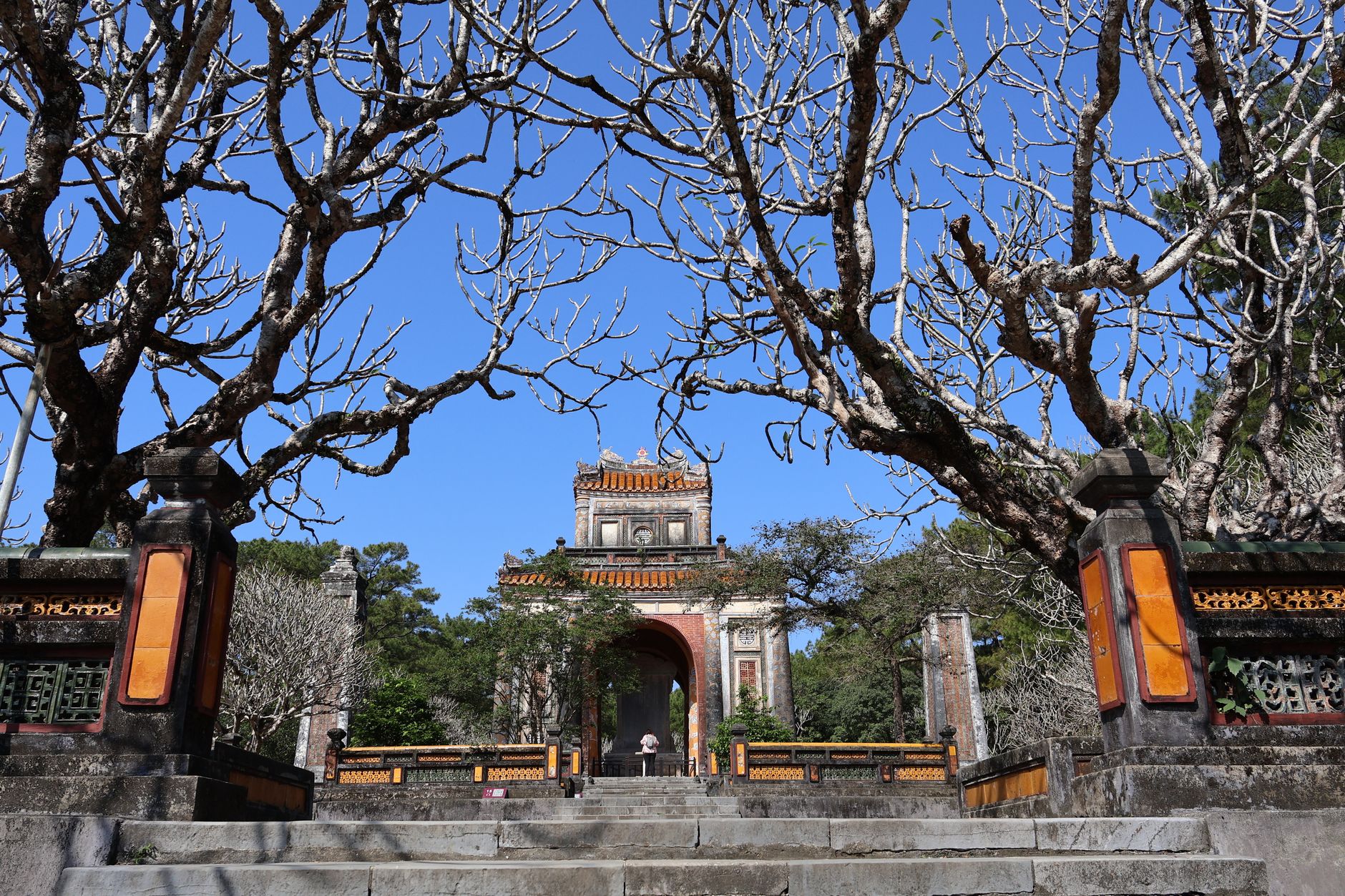
Kon Tum doesn't get many foreign visitors, which is exactly why the ones who do show up tend to remember it. And the first thing most of them remember is Nha Rong Kon Klor — a traditional Ba Na communal house rising 17 meters above the east bank of the Dak Bla River, connected to town by a narrow suspension bridge that sways just enough to make you pay attention.
What it is and why it matters
A "nha rong" is a communal house used by several ethnic groups in Vietnam's Central Highlands (중부 고원 / 中部高原 / 中部高原) — the Ba Na, Gia Rai, Xo Dang, and others each have their own versions. Think of it as the social and spiritual center of a village: where ceremonies happen, disputes get settled, guests are received, and young men traditionally sleep. The architecture is unmistakable — steep thatched roofs that can reach 15-20 meters, open-sided structures raised on wooden stilts, and carved decorations that vary by ethnic group.
Nha Rong Kon Klor belongs to the Ba Na people of Kon Tum. The current structure was rebuilt in 2009 on the site of an older communal house in Kon Klor village, just across the Dak Bla River from Kon Tum's town center. It's one of the largest nha rong in the region, and unlike many communal houses tucked deep in remote villages, this one is straightforward to reach — a 10-minute motorbike ride from the center of town.
The house sits in a complex that includes the Kon Klor Suspension Bridge (also called Kon Klor Bridge), which stretches about 290 meters across the river. The bridge itself dates to 2000 and has become a bit of a local landmark in its own right.
Why travelers go
Honestly, Kon Tum is a slow town. You're not here for nightlife or shopping. You're here because the Central Highlands has a culture and landscape that feels nothing like coastal Vietnam (베트남 / 越南 / ベトナム) — red earth, coffee plantations, ethnic minority villages, and a pace that makes Da Lat look hectic. Nha Rong Kon Klor is the most accessible entry point into that world. It's a real communal house in a real village, not a museum replica. During festivals or community events, you might see ceremonies, traditional music, or rice wine being shared. On a quiet Tuesday afternoon, you'll mostly have it to yourself.
Best time to visit
Kon Tum has two seasons: dry (November to April) and wet (May to October). The dry season is more comfortable for travel — less mud on village roads, cooler mornings, and clear skies that make the bridge crossing and river views much better. March and April tend to be the warmest months, pushing past 35°C in the afternoon, so mornings are your friend.
If you want to see the nha rong in use, time your visit around a festival. The Ba Na harvest festival typically falls between February and March. Tet is also a lively period in highland villages.
How to get there
Kon Tum town is the base. From Da Nang — the nearest major hub with an airport — it's roughly 300 km by road. You have a few options:
- Bus: Direct sleeper buses from Da Nang's central bus station run daily, taking about 6-7 hours. Expect to pay 180,000-250,000 VND depending on the operator. Buses also connect from Pleiku (about 50 km south, 1 hour).
- Fly + bus: Fly into Pleiku's airport (Gia Lai), which has daily flights from Hanoi and Saigon (typically 600,000-1,200,000 VND one way). From Pleiku, grab a local bus or taxi to Kon Tum — around 150,000 VND for a taxi, 40,000 VND for a minibus.
- Motorbike: If you're riding the highlands loop, Kon Tum sits on QL14 Highway) between Pleiku and Dak Glei. The road is paved and in decent shape.
From Kon Tum town center, Nha Rong Kon Klor is about 3 km east along Tran Hung Dao Street. Cross the Kon Klor Bridge on foot or motorbike. A Grab bike costs around 15,000-20,000 VND.

Photo by HONG SON on Pexels
What to do
Walk the Kon Klor Suspension Bridge
The bridge is the approach, and it's worth taking slowly. At 290 meters, it gives you a long view up and down the Dak Bla River. Locals use it daily — expect motorbikes squeezing past you. Early morning light is best for photos.
Explore the nha rong interior
The communal house is open to visitors. Inside, you'll see carved wooden pillars, a central hearth, and traditional items — gongs, baskets, woven textiles. Look up: the roof structure is impressive from the inside, with layers of thatch and timber converging overhead. Be respectful and ask before photographing anything during ceremonies.
Visit Kon Klor village
The nha rong sits within the village itself. Walk the lanes around it and you'll see traditional stilt houses (some concrete now, but the older wooden ones remain), small gardens, and daily Ba Na life. This is a living community, not a tourist attraction — keep that in mind.
Cross to the wooden church
Kon Tum has a significant Catholic community dating to French colonial missionary work. The Wooden Church (Nha Tho Go) in town, built entirely from wood in 1913, is one of the most distinctive churches in Vietnam. It blends French Gothic architecture with highland communal house design. Worth a quick detour on your way back.
Catch a gong performance (if timing allows)
Ba Na gong culture is recognized by UNESCO as intangible heritage. Formal performances aren't scheduled for tourists — this isn't Hoi An — but homestays and community tourism operators in Kon Tum can sometimes arrange a gong session with advance notice. Ask your guesthouse.
Where to eat nearby
Kon Tum's food scene is small but has character. Two things to seek out:
- "Pho kho" (dry pho): A Kon Tum specialty — rice noodles served dry with a side bowl of broth, topped with pork, herbs, and crispy shallots. Try it at Pho Kho Ba Co on Phan Dinh Phung Street; a bowl runs about 30,000-40,000 VND.
- "Goi la" (leaf wraps): A communal dish where you wrap grilled meats, shrimp paste, rice noodles, and a dozen different leaves and herbs into rice paper rolls. It's social eating — best with a group. Several restaurants along Nguyen Hue Street serve it; budget 80,000-120,000 VND per person.
Where to stay
Kon Tum has limited accommodation, mostly concentrated in town:
- Budget: Guesthouses and hostels around the center run 150,000-300,000 VND per night. Basic but clean.
- Mid-range: A handful of hotels like Indochine Kon Tum or Kon Tum Hotel offer air-conditioned rooms with breakfast for 400,000-700,000 VND.
- Homestay: A few community-based homestays operate in Ba Na villages near Kon Klor. These are basic — expect a mat on the floor and shared facilities — but the experience is genuine. Arrange through local tour operators; around 200,000-350,000 VND including dinner.
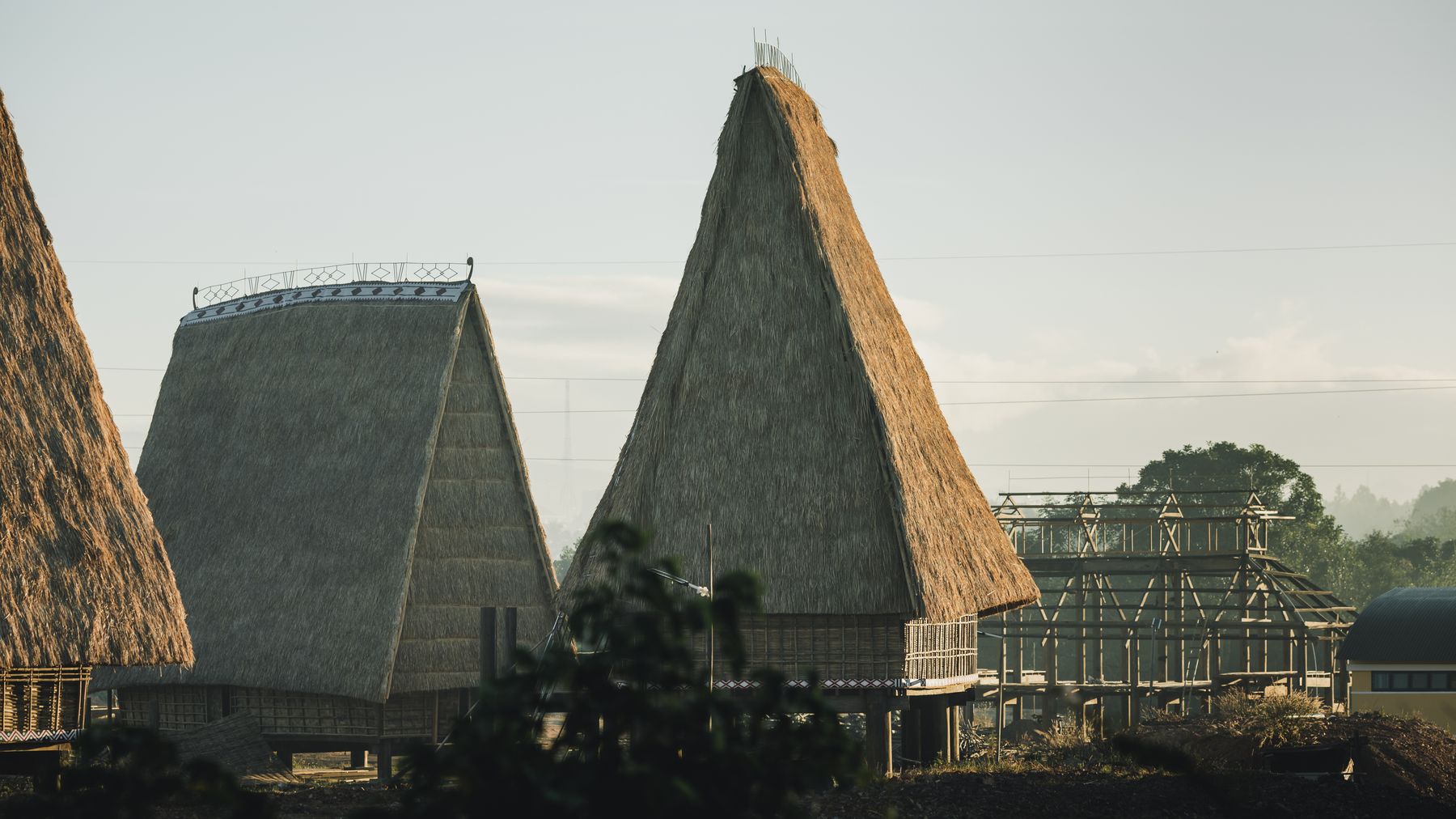
Photo by Thái Trường Giang on Pexels
Practical tips locals would tell you
- Bring cash. Kon Tum has ATMs in town, but card payments are rare outside hotels. Load up before you arrive.
- Dress modestly when entering the nha rong or visiting villages. Shoulders and knees covered is a good baseline.
- Learn "xin chao" and "cam on." A little Vietnamese goes further here than in tourist hubs. English is very limited.
- Hire a local guide if you want context. Without one, the nha rong is a beautiful building; with one, it's a window into highland culture. Ask at your accommodation — expect 300,000-500,000 VND for a half-day.
Common mistakes to avoid
- Treating the village like a zoo. Kon Klor is someone's home. Don't wander into houses uninvited or shove cameras in people's faces.
- Coming in the afternoon heat. Mornings are cooler and the light over the river is better. By 2 PM in the dry season, you'll melt.
- Skipping Kon Tum entirely. Many travelers blast through on the way between Hoi An and the highlands. Kon Tum deserves at least one night — ideally two if you want to explore surrounding villages.
Practical notes
Kon Tum is one of the quieter provincial capitals in central Vietnam, and that's its appeal. Nha Rong Kon Klor is free to visit, open during daylight hours, and takes about 1-2 hours including the bridge walk and village stroll. Combine it with the Wooden Church and a bowl of pho kho, and you've got a solid day in a town most travelers never hear about.
Last updated · May 29, 2026 · independently researched, never sponsored.