What it is
Suoi Khoang Nong Hoi Van is a natural hot spring complex sitting at the edge of the Central Highlands (중부 고원 / 中部高原 / 中部高原), where granite foothills meet rice paddies. The mineral water surfaces at 70-80°C, rich in sulfur, sodium bicarbonate, and silica — the kind of water that leaves your skin feeling oddly smooth for hours afterward.
The springs have been known to locals for generations. During the French colonial period, a small bathing station was built here, though most of that infrastructure is long gone. What remains is a mix of natural pools, a modest resort facility with concrete soaking tubs, and surrounding countryside that hasn't caught up with Vietnam (베트남 / 越南 / ベトナム)'s coastal tourism boom. That's part of the appeal.
Why travelers go
Most visitors come for the mineral soak itself — the water is genuinely hot and mineral-dense, not a lukewarm trickle rebranded as a "hot spring" for tourists. The setting is quiet. You won't find crowds here like you would at a beach resort in Da Nang or Phu Quoc. It's the kind of place where you spend a slow morning soaking, then eat lunch at a roadside "com" spot and drive onward.
For travelers routing through the Central Highlands — say, between Quy Nhon and Pleiku — Hoi Van makes a worthwhile half-day stop. It's not a destination you'd fly across the country for, but if you're already in the area, it earns its detour.
Best time to visit
The dry season from January through August is ideal. Mornings between 6:00 and 9:00 AM are best for soaking — the air is cool enough that the hot water feels restorative rather than punishing. During the rainy months (September to December), access roads can get muddy and the surrounding landscape turns lush but slippery.
Weekdays are noticeably quieter. Weekends bring local families, especially around holidays and during Tet season.
How to get there
Hoi Van hot springs sit in the foothills west of the coastal plain, roughly 25 km inland from Quy Nhon city center.
From Quy Nhon: Take QL1A north toward Phu Cat, then turn west following signs toward Cat Hiep commune. The drive takes about 40 minutes on mostly paved roads. A Grab car from Quy Nhon costs around 200,000-250,000 VND one way.
From Pleiku: Head east on QL19 toward the coast. The total distance is approximately 150 km, roughly 3 hours of driving through An Khe pass — a scenic route through highland forest that's worth the trip on its own.
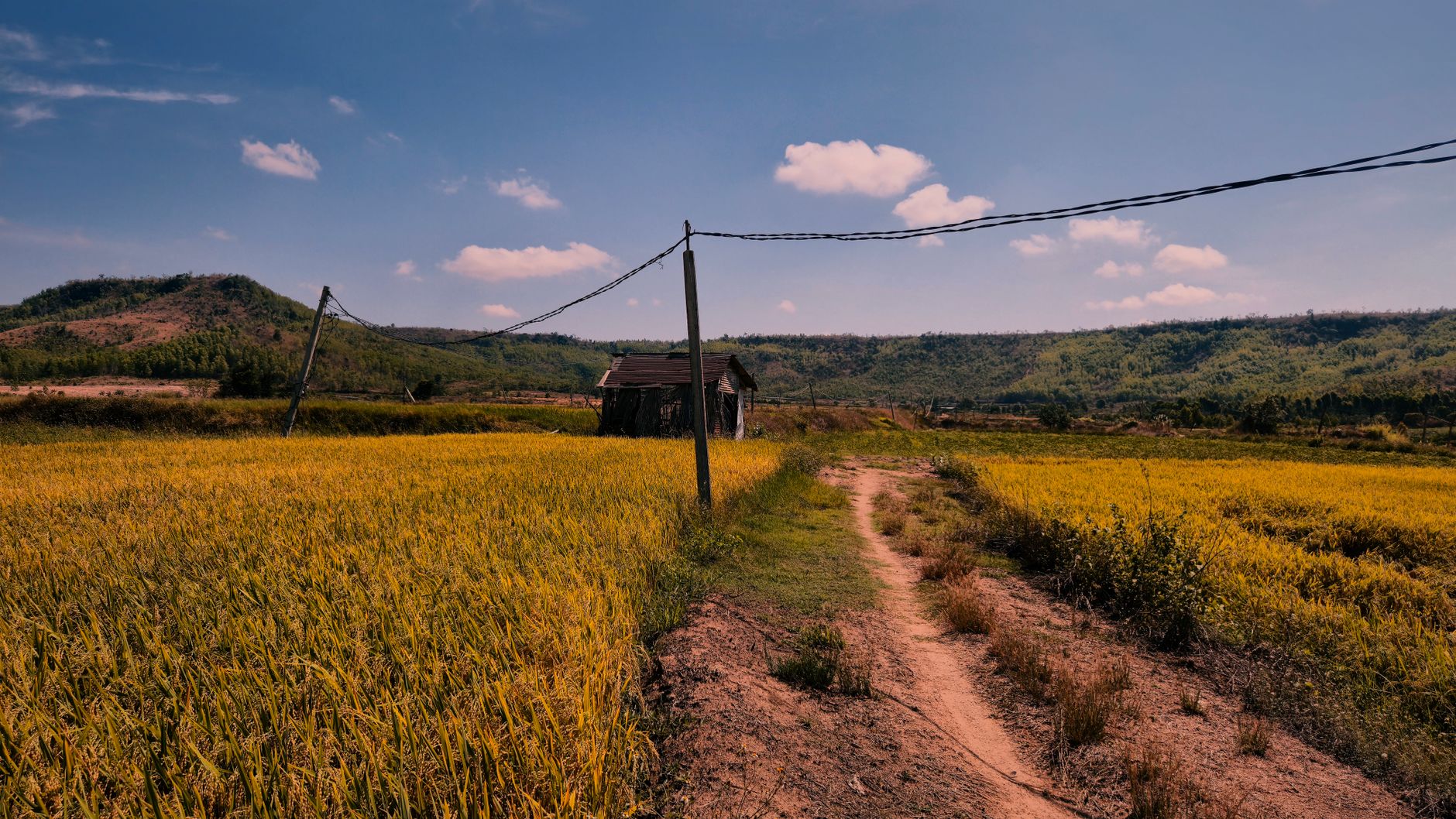
By motorbike: This is the preferred method for most independent travelers. The final 5 km stretch is a narrow concrete road through rice fields — easy on a scooter, slightly tedious in a car.
There's no public bus running directly to the springs. Your options are private transport, motorbike rental, or arranging a driver through your hotel.

Photo by Thái Trường Giang on Pexels
What to do
Soak in the mineral pools
The main facility offers individual and communal soaking tubs fed by the natural spring. Water temperature in the tubs is moderated to around 38-42°C — comfortable for extended soaking. Entry fees are modest: expect 50,000-80,000 VND per person for a basic soak session, with private rooms costing 150,000-250,000 VND.
Walk the spring source
Uphill from the bathing area, you can walk to where the water emerges from the rock face. The ground is warm underfoot. Steam rises from small channels carved into the hillside. It's a short walk — maybe 500 meters — but gives you a sense of the geothermal activity happening below.
Explore the countryside
The surrounding area is working farmland: rice paddies, cashew orchards, and eucalyptus plantations. If you're on a motorbike, riding the back roads around Cat Hiep offers a glimpse of rural Central Vietnam that most tourists never see.
Where to eat
There's no real restaurant scene at the springs themselves — just a few small vendors selling drinks and snacks. For a proper meal:
- Roadside com binh dan along the access road serves rice plates with grilled pork, fried egg, and pickled vegetables for 30,000-45,000 VND.
- Phu Cat town (15 minutes east) has several local restaurants serving "bun cha ca" — fish cake noodle soup that's a Binh Dinh specialty. A bowl runs 35,000-50,000 VND.
- If you're heading back to Quy Nhon, grab "banh xeo" at one of the crispy pancake spots along Tran Hung Dao street — the Central Vietnamese version uses turmeric batter and is stuffed with shrimp and bean sprouts.
Where to stay
The hot springs complex has basic accommodation — simple rooms with fans or air conditioning, priced around 300,000-500,000 VND per night. Clean but sparse.
Most travelers base themselves in Quy Nhon (more hotel options, beach access, better food scene) and visit Hoi Van as a day trip. Budget guesthouses in Quy Nhon start at 250,000 VND; mid-range hotels with sea views run 600,000-1,200,000 VND.
If you're passing through toward the highlands, An Khe town has a few acceptable nha nghi (guesthouses) for overnight stops at 200,000-350,000 VND.

Photo by Siarhei Nester on Pexels
Practical tips
- Bring a towel and flip-flops. Rental towels are available but thin. The concrete around the pools gets hot.
- Hydrate. Hot spring soaking dehydrates you faster than you'd expect. Buy water before you arrive — the on-site shop charges double.
- Cash only. No card payments at the springs or nearby food stalls. Nearest ATM is in Phu Cat town.
- Skin conditions: The sulfur-rich water can irritate open cuts or sensitive skin. Rinse off with fresh water after soaking.
- Combine with other stops: If you're driving the Quy Nhon-to-Pleiku route, pair Hoi Van with a stop at Quang Trung Museum in Tay Son district — it's only 30 km further west.
Common mistakes
Arriving midday in summer. The combination of 35°C air temperature and hot spring water is unpleasant. Come early morning or late afternoon.
Expecting a resort experience. This isn't a polished wellness spa. Facilities are functional, not luxurious. Adjust expectations and you'll enjoy it more.
Not checking road conditions in rainy season. The last few kilometers can flood after heavy rains. Ask locals or your hotel before heading out between October and November.
Skipping the countryside. The springs alone justify maybe two hours. The surrounding landscape — especially by motorbike — is what turns this into a memorable half-day.
Final note
Hoi Van won't appear on most Vietnam itinerary lists, and that's precisely its value. It's a genuine local spot with real mineral water, no tour buses, and a pace that rewards travelers willing to go slightly off-route. If you're already exploring the stretch between Quy Nhon and the Central Highlands, carve out a morning here.
Last updated · May 29, 2026 · independently researched, never sponsored.